


Introduction
Literature review
Material and Methods
Climate description
Case study
Field measurement
Computer simulation
Result and Discussions
Results of field measurements
Results of computer simulation
Conclusion
Introduction
Global energy prospects highlight a growing paradox: while traditional energy sources are in gradual decline [1, 2], energy consumption for heating and air conditioning is steadily increasing due to global warming. This situation is putting increased pressure on energy resources and underscores the urgent need for a transition to more sustainable solutions. In this context, the building sector plays a crucial role, as its energy consumption is influenced by various factors such as the structural characteristics of buildings and the behavior of occupants [3].
Algeria experienced a significant real estate boom between 1999 and 2018, with the construction of more than 3.6 million residential units. This momentum intensified to reach an annual average of over 300,000 homes [4]. However, this quantitative growth is accompanied by a major qualitative challenge: the poor energy performance of these new buildings. This issue is all the more crucial given that the residential sector accounts for up to 24,7% of the country’s total final energy consumption [5], 70% of which is dedicated to heating and air-conditioning [6].
Algeria’s climate amplifies these energy challenges. The country has considerable solar potential [7], estimated at around 169,400 TWh/year [8] and also experiences particularly hot summers. This climate reality increases the use of air conditioning, which is the main source of energy consumption in buildings.
In this context, the building envelope plays a key role. It acts as an interface between the external environment and the interior space, directly influencing the energy needs and thermal comfort of occupants [9]. Thus, despite the quantitative growth of the construction sector, improving the energy efficiency of buildings is a crucial issue for Algeria. This necessity responds both to climate challenges and to the imperatives of controlling energy consumption, highlighting the urgency of adopting more sustainable construction approaches that are adapted to the local context.
Moreover, reducing energy consumption in the building sector has become a major concern over the past few decades. This development has led to increased attention being paid to thermal insulation systems in buildings. Indeed, the thermal resistance value (R-value) of walls has a crucial impact on a building’s energy consumption [10].
In this context, improving the thermal performance of the building envelope can be achieved in two main ways:
-By reducing the thermal transmission coefficient (U-value) to minimize heat gains and losses through the envelope [11].
-By increasing the thermal inertia of buildings to strengthen their resilience to outdoor temperature variations [12].
These complementary approaches aim to optimize the overall energy efficiency of buildings, thereby helping to reduce their environmental impact and improve the thermal comfort of occupants.
Integration of PCMs into building elements such as walls, ceilings and floors is emerging as an innovative approach to developing energy-efficient buildings [13]. This technique exploits the unique properties of PCMs, particularly their high energy storage capacity, to achieve two main objectives:
Improve thermal comfort: PCMs effectively regulate the temperature inside buildings, creating a more stable and pleasant environment for occupants.
Reduce energy consumption: By absorbing and releasing heat in a controlled manner, PCMs help to reduce the demand for electrical energy for heating and air-conditioning [14, 15, 16, 17, 18, 19].
Literature review
A new generation of innovative insulating materials, such as PCMs, has recently emerged, offering significantly improved thermal insulation and energy efficiency compared to conventional solutions. Despite their proven potential, their large-scale use in the construction industry remains limited for the time being. However, numerous scientific studies and pilot projects have highlighted the significant advantages of PCMs [20, 21, 22]. This research and practical experimentation clearly demonstrate their effectiveness and point to a promising future for improving energy efficiency in the building sector.
According to [15], incorporating PCMs into building envelopes offers significant potential for reducing HVAC energy consumption through their thermally responsive properties. This passive thermal management strategy represents an important breakthrough in advancing building energy efficiency.
Although this technology appears innovative, the concept is not entirely new [23]. Similar research was conducted as early as the 1970s and 1980s, exploring various types of organic and inorganic materials. These studies already aimed to mitigate peak loads and reduce energy requirements for heating and air- conditioning [24].
Therefore, the renewed interest in PCMs is a continuation of a long-standing study on building energy efficiency, which now takes advantage of new technology to maximize its performance and incorporate it into contemporary architecture. Many architects and engineers have become interested in the use of PCMs in the construction industry over the last forty years [18, 19]. Research on adding different PCMs, to common building materials like concrete, plaster, or ceramic masonry has increased during this time [15].
The main advantage of PCMs in construction is their ability to store heat when they change phase, unlike traditional storage in the form of sensible heat [16]. This property gives PCMs significant advantages when integrated into the building envelope:
Increase thermal inertia: PCMs enhance the envelope’s capacity to absorb and release heat gradually [21, 25].
Enhance passive temperature control: This higher thermal inertia enables a more natural stabilization of wall temperatures.
Improve summer comfort: As a result, thermal stabilization contributes to greater occupant comfort during hot periods [26].
PCMs are mainly integrated into buildings through the use of plasterboard, structural panels, or by mixing them with thermal insulation materials [15]. Integration of PCMs into walls is the most common method. It is preferred for several reasons:
-Large surface area offered by the walls for heat exchange.
-Their effectiveness in regulating indoor temperature.
-Their practicality and ease of installation.
There are two main methods for integrating PCMs into buildings [14, 18]:
-Immersion: This technique involves incorporating PCMs directly into the building envelope construction materials.
-Attachment: This more commonly used approach involves attaching one or more layers of PCMs to an existing wall.
The operating principle of PCMs is based on latent heat storage, which can occur through various phase change processes: solid-solid, solid-liquid, solid-gas and liquid-gas transitions. However, in the context of building envelopes, the solid-liquid phase change is the most widely adopted due to its particularly suitable thermo physical properties [15]. Among solid-liquid PCMs, two main categories are commonly distinguished: organic materials and inorganic materials, whose characteristics and classifications are illustrated in Figure 1, according to the classifications established by [15, 20]. This diversity of materials offers great flexibility in the design of thermal storage solutions, enabling the optimization of building energy efficiency and occupant thermal comfort. Within this framework, paraffins and organic fatty acids emerge as the most promising candidates for building and construction applications, owing to their outstanding properties including excellent chemical stability, high latent heat storage capacity, low super cooling tendencies, environmental friendliness and non-corrosiveness [27].
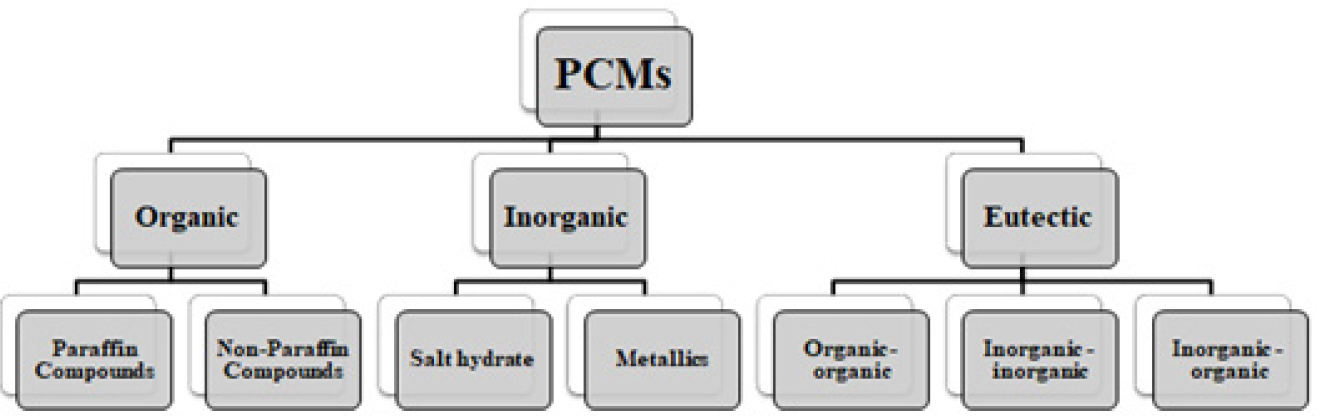
Building on these advantages, recent research has increasingly oriented towards sustainable PCM composites though the incorporation of biomass-derived supporting matrices, as evidenced by studies on agricultural by-products such as date seed biochar [28], highlighting the potential of bio-based supports for cost-effective thermal energy storage.
These materials offer superior thermal storage capacity compared to traditional building materials [10, 15], while providing increased thermal mass.
PCMs are characterized by their capacity to store substantial amounts of energy within narrow temperature ranges, due to their specific phase-change properties [9]. Numerous modeling studies have shown that integrating PCMs into buildings improves thermal comfort optimizes thermal performance and reduces energy consumption [14, 29]. Consequently, PCMs represent a promising solution for improving energy efficiency and indoor comfort in buildings, offering a valuable response to the current energy challenges in the construction sector [30].
A study conducted by [31] on a retrofitted building in Ottawa found that the optimal PCM melting temperature was 20 °C, which reduced heat gain by 41% and heat loss by 96% compared to a wall without PCM. Other melting points (18 °C and 24 °C) were less effective, highlighting that matching PCM melting temperature to local climate conditions is crucial for maximizing energy efficiency.
[32] indicated that the effectiveness of PCM placement depends primarily on the climatic conditions of the building. This was supported by [33], who numerically analyzed PCM integration in double hollow brick walls under warm-climate conditions. Their results showed that placing PCM on the internal side of the wall reduced energy consumption by up to 97%, whereas external-side placement achieved only about 8% savings and, in some cases, even increased cooling loads. These findings are consistent with [34] who found that internal PCM placement proved more effective for reducing and delaying indoor peak temperatures, while external placement mainly acted as insulation.
In addition, the relationship between PCM effectiveness and orientation of the building has also been demonstrated in several studies. [35] showed that sun-exposed façades, particularly those facing south and west-delivered the greatest energy savings when integrated with PCM. Similarly, [36] as cited in [22], found that PCM materials are especially effective in orientations with high solar exposure, such as east- facing walls in the morning and west-facing walls in the afternoon, improving both energy efficiency and indoor thermal comfort.
These studies suggest that maximizing the benefits of PCM requires a combined consideration of placement and orientation: positioning PCMs on the internal side of the envelope in warm climates, while selecting orientations that expose them to the most significant solar gains. This strategy provides a synergistic pathway for reducing building energy demand and enhancing thermal comfort.
Despite the extensive international research on PCMs, their application in Algerian buildings, particularly in the residential sector, remains largely unexplored. The limited studies available fail to provide sufficient data or climate-adapted guidance for Algeria’s semi-arid conditions, making it difficult to reliably predict their PCM performance at the local level. As highlighted by [37], there is a notable gap in PCM research within the Algerian building context, and further investigations are needed to identify materials suited to the country’s diverse climate zones. This knowledge gap limits the ability to develop practical and reliable recommendations for local construction. To address that, the present study combines field measurements and numerical modeling to evaluate the thermal performance of PCM panels in residential buildings in Constantine, Algeria.
Material and Methods
Climate description
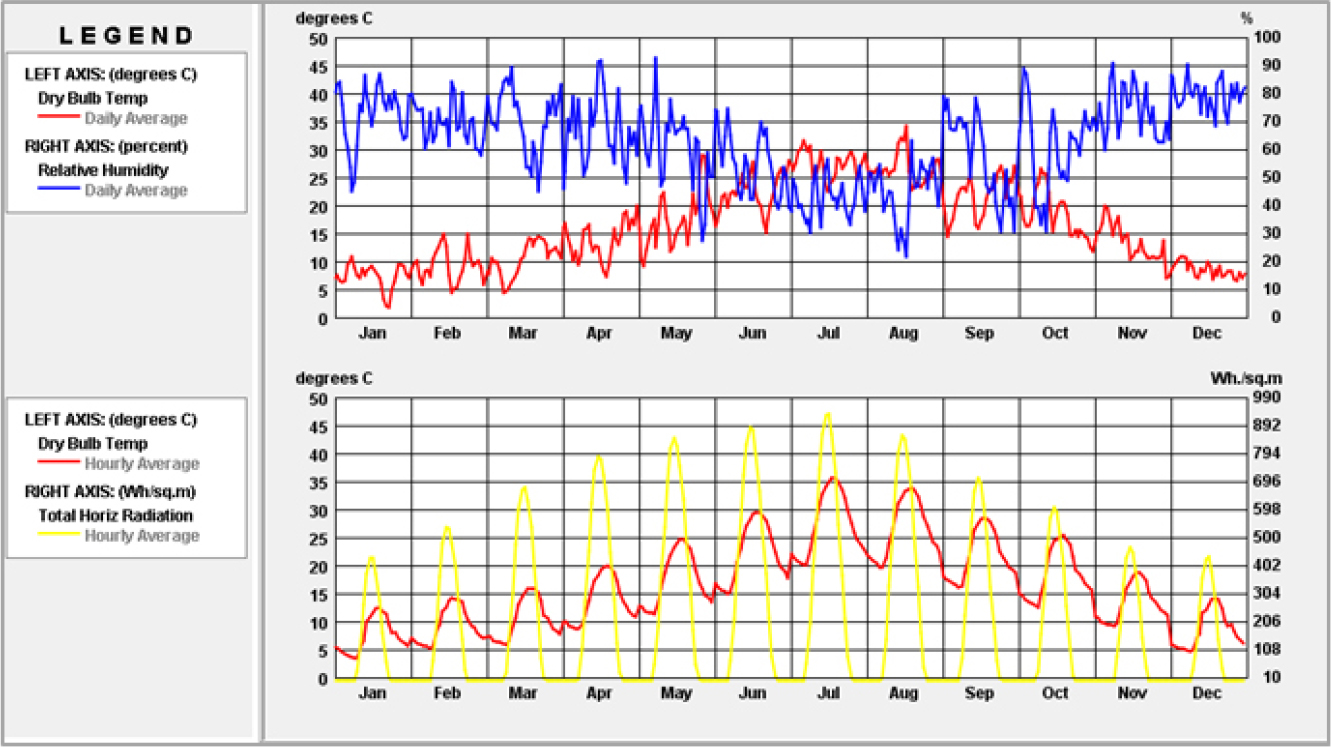
Constantine is located in the northeast of Algeria, at a longitude of 6° 37’ East and latitude of 36° 17’ North, and characterized by a semi-arid climate with an average annual temperature of 16.37ºC. There are two periods: one cold period has 1499 degree days of cold and one warm period often longer with 3034 degree days of warm [38]. The relative humidity (RH) of the air varies from a recorded minimum value of 42% in July to a maximum recorded value of 79% in December (Figure 2). There are important daily variations of temperature and solar radiation particularly during the summer months.
Case study
The study investigates the thermal performance of a housing model that is widely used in Algeria’s housing stock. This type of housing is representative of buildings throughout the country’s towns [4].
This study was carried out in an apartment located on the sixth floor of a 14-storey building constructed in 2005 in Ali Mendjeli (north-east of Constantine city). With a surface 85m2, the apartment is composed of eight thermal zones: a living room, three bedrooms, a kitchen, a bathroom, a toilet and a corridor. The apartment studied is oriented southeast, northwest (Figure 3).
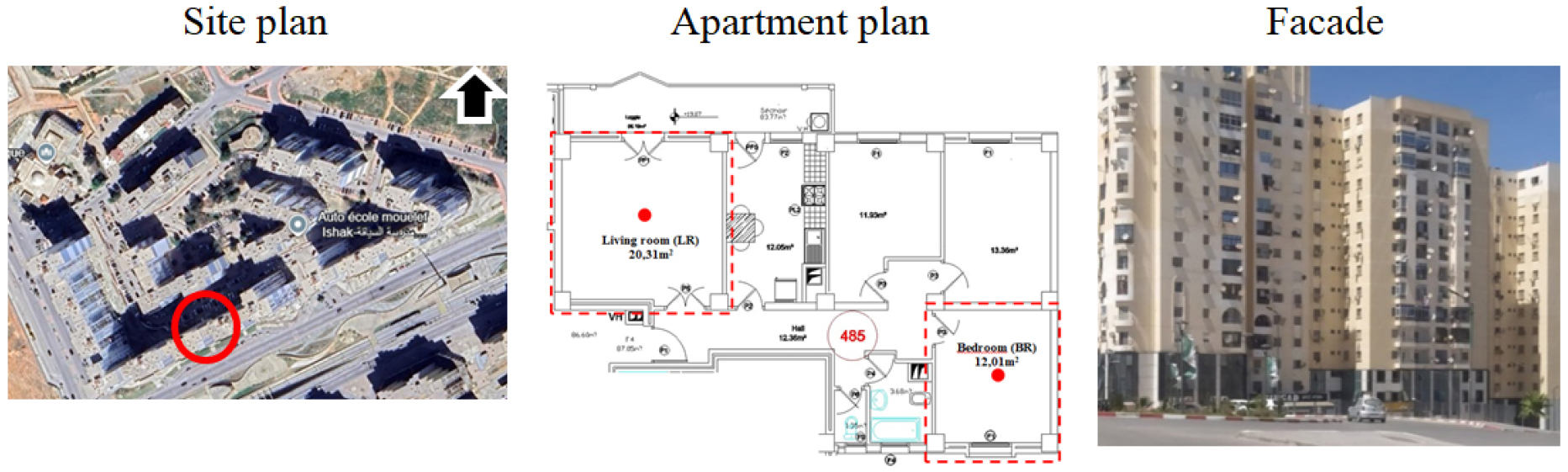
Table 1 provides construction details of the building and Table 2 presents the thermal and physical properties of building materials according to [39].
Table 1.
Characteristics of the conventional envelope components
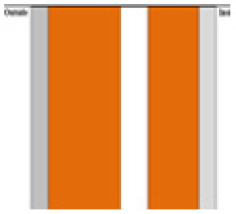
Table 2.
Thermal and physical properties of building materials (conventional envelope)
Field measurement
We selected the study period based on extreme weather conditions, looking especially at July, which is the hottest month of the year. During this time, the average maximum temperature recorded was 34.5°C and solar radiation averaged 337 W/m².
The measurement campaign including air temperature and relative humidity parameters was carried out over a continuous 144-hour period, from 17th to July 22nd/ 2024. Data was collected in the living room (LR) oriented north-west and the bedroom (BR) oriented south-east every 15 minutes. Data collection was carried out using PCE-HT71 autonomous data loggers, recording both air temperature and relative humidity over user-defined time intervals. The measurement range extends from -40°C to +70°C for air temperature and from 0% to 100% for relative humidity, with an accuracy of ±1°C and ±3.5% respectively. The indoor measurement point was positioned at a height of 1.20m above floor level, near the center of the room to ensure spatially representative readings. Measurements were conducted over a six-day period from 17 to 22 July 2024, yielding a total of 968 recordings collected at 10-minute intervals.
Computer simulation
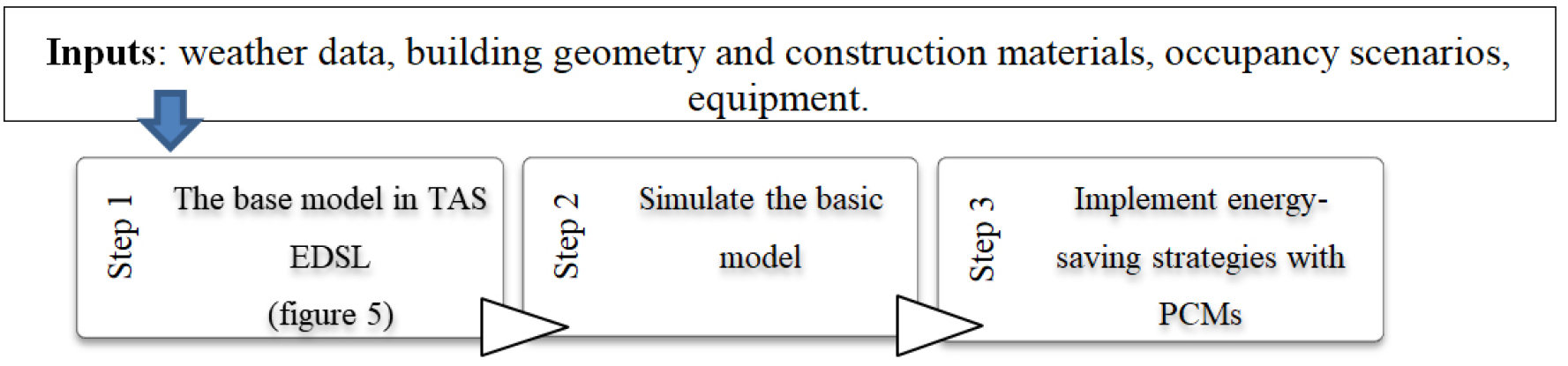
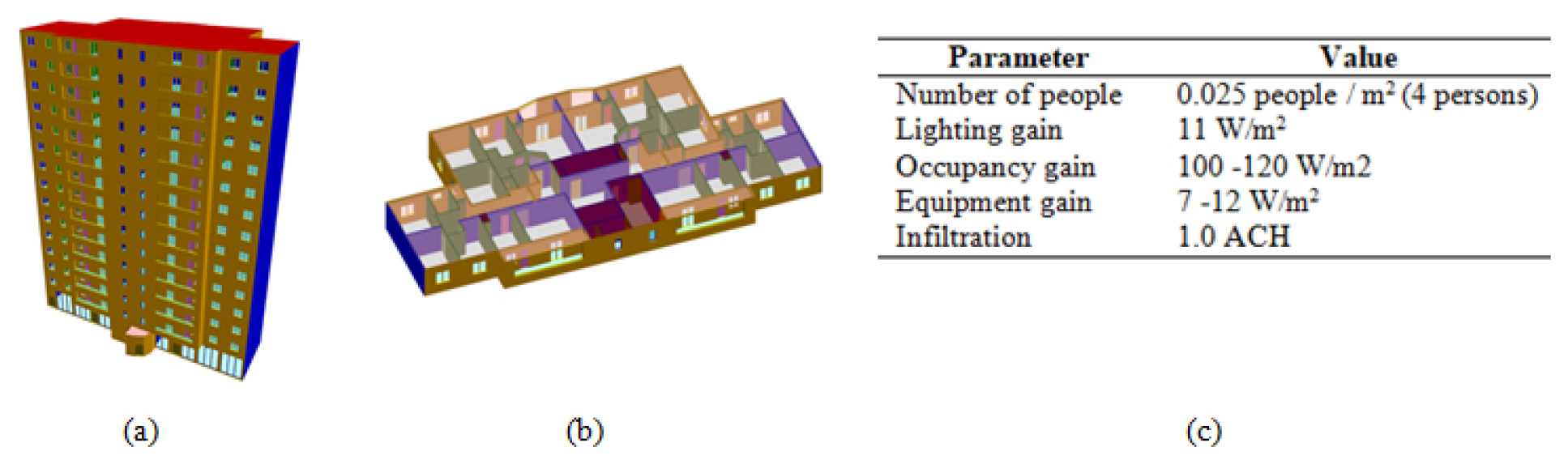
The numerical modeling was carried out with the dynamic simulation software EDSL TAS. The Figure 4 describes the workflow of the computer simulation and the Figure 5 presents both the 3D model and the standard floor plan of the simulated building, together with the simulation input parameters adopted for the thermal analysis. The occupancy follows a time differentiated schedule characterized by full presence at night, partial presence on weekday mornings, a marked midday return peak between 12: 00 and 14: 00 and near continuous full occupancy during weekends and summer period. Infiltration is set at 1.0 ACH under closed-window conditions, increasing to 10 ACH during summer nighttime natural ventilation.
The numerical modeling provides a comprehensive analysis of the potential benefits of integrating PCMs. The objective is to evaluate the possibility of improving thermal comfort of the conventional building and reducing cooling loads during peak periods, in extreme weather conditions, by integrating PCM insulating panels into exterior walls and interior partitions in the selected apartment (Figure 6).
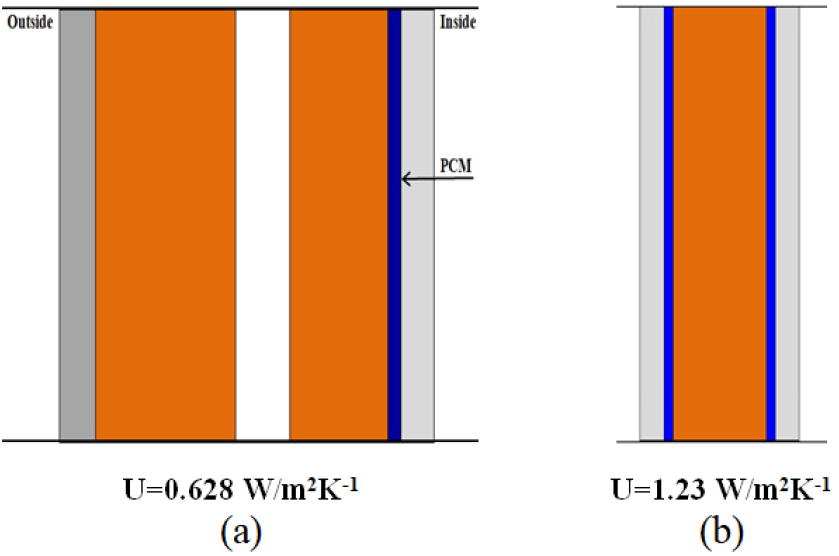
The software includes the properties of the PCM Energain® in its library, allowing users to add layers of this material to the walls, ceilings, or floors of a building.
The material Energain® is developed and patented by the company DuPont of Nemours (Luxembourg). It comes in the form of a 5.26 mm thick panel composed of two 130 μm aluminum sheets enclosing a solid compound made of a copolymer (40% ethylene) and paraffin (60%), with a density of approximately 900 kg/m³ [26]. It can absorb up to 515 kJ/m² with a melting temperature of 21.7°C [14, 26]. This high heat storage capacity not only helps prevent peaks in indoor temperature but also reduces energy consumption by up to 15% for heating and up to 35% for cooling [14]. Within the temperature range of 18 to 24°C, the thermal storage capacity of 1 m³ of Energain® is equivalent to that of 6 m³ of concrete [40]. The characteristics of the DuPont Energain® PCM are summarized in Table 3.
Table 3.
Thermal parameters of Dupont Energain® PCM [40]
| Technical data | |
| Thickness | 5,26 mm |
| Width | 1 m |
| Lenght | 1,2 m |
| Surface density | 4,5 kg/m2 |
| Melting point | 21,7 ℃ |
| Thermal storage | 515 kJ/m2 (18-24 ℃) |
| Thermal conductivity | 0.18 W/m.K |
We evaluated the thermal performance of exterior walls incorporating PCMs by comparing three configurations: a conventional wall without PCM (S0), an exterior wall with PCM applied to the inner side (Configuration S1), and an exterior wall with PCM on the inner side combined with PCM integrated into the internal partitions (Configuration S2). Knowing that Energain® is a system of panels that is used as a coating for exterior, interior or ceiling partitions in order to provide thermal inertia to structures and stabilize the interior temperature. Installed on interior walls and ceilings, the panel is twice as light as plasterboard and just as easy to install [40]. The material is used in the outside walls, in the partitions, and as the layer next to the inside layer in the roof [41].
**Climate data for Constantine city was provided by Climate.OneBuilding.Org. Data Sources is transferred to the digital model.
The simulation outputs include indoor air temperature, cooling energy demand, Degree-Hour Discomfort (DHD), and Duration of Summer Discomfort (DSD).
Result and Discussions
Results of field measurements
The basic comfort temperature according to (D.T.R., 1997) is 24°C for improved comfort and 27°C for normal comfort [17]. The 24°C threshold corresponds to commonly use cooling set points in mechanically conditioned buildings according to ASHRAE Standard 55 [42], while 27°C aligns with the upper boundary of the adaptive comfort zone for naturally ventilated buildings under warm prevailing outdoor conditions, as grounded in the global field study by [43]. The relevance of this comfort band to the Algerian residential context is supported by the behavioral and physiological adaptations of local occupants.
The Figure 7 illustrates the hourly variations of indoor air temperature (Tai) in the LR and BR of the selected apartment during a week in July 2024. While the outdoor air temperature (To) exhibits significant cyclic fluctuations, ranging from approximately 21 °C at night to 41 °C during the day, the (Tai) in both spaces remains consistently above 28 °C throughout the entire period. Peaks exceeding 31 °C are recorded around midday, reflecting highly unfavorable thermal conditions. Such elevated temperatures compromise hygrothermal comfort and raise serious concerns regarding the well-being of occupants, thereby making the use of air-conditioning systems almost unavoidable.
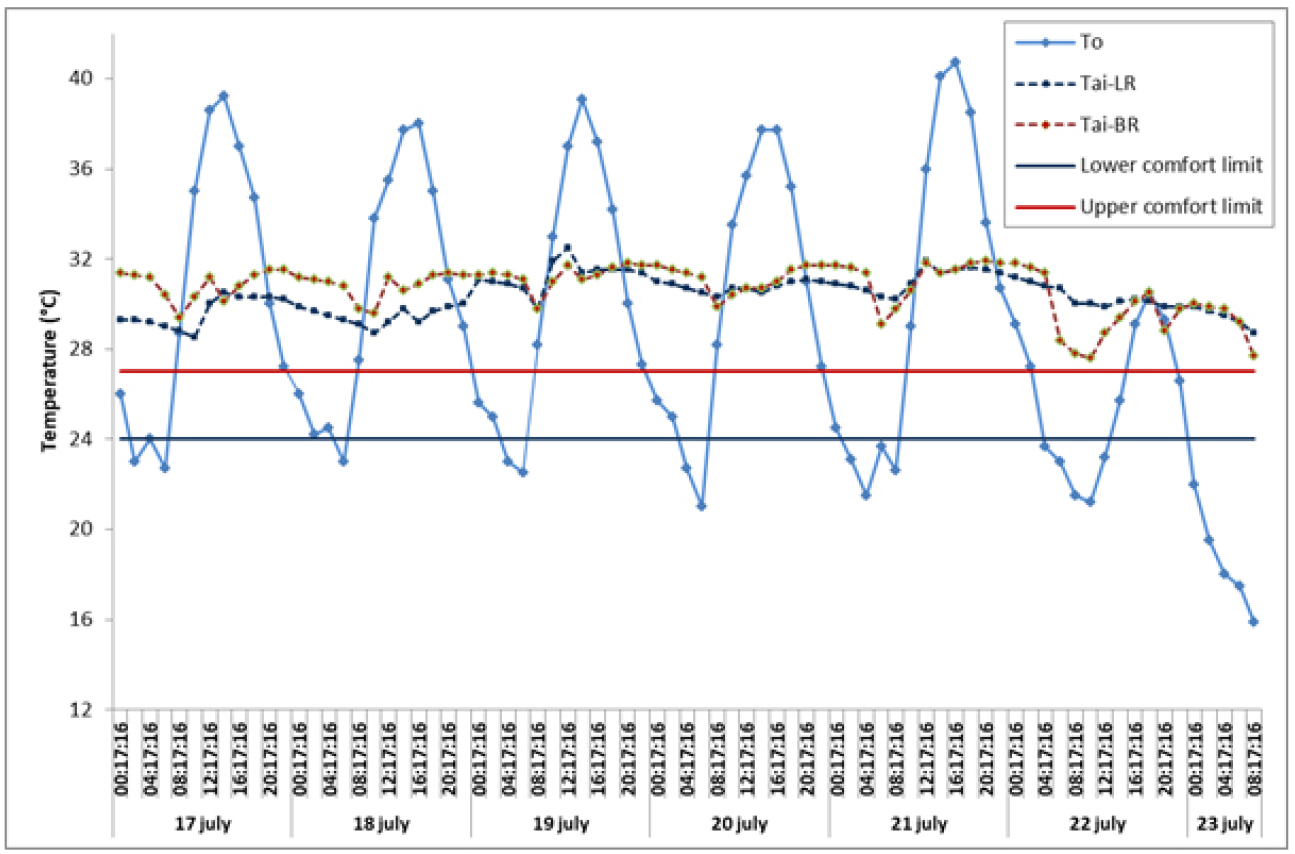
Furthermore, the (Tai) remains above 28 °C even during nighttime hours, when outdoor conditions become more favorable. This persistence of high indoor temperatures results in prolonged discomfort for the occupants, as the spaces do not benefit from sufficient nocturnal cooling.
A comparison between the two spaces shows that the BR experiences higher temperatures than the LR. This difference can be explained by the respective orientation of each space: while the BD oriented southeast is directly exposed to solar gains, the LR oriented northwest benefits from the partial protection of the open loggia, which reduces the direct impact of solar radiation on the exterior wall.
This context provides evidence of an excessive heat load in the building that was not sufficiently evacuated overnight. The absence of natural night cooling, related to the moderate To during the night which should have allowed this to occur theoretically, shows that the bioclimatic potential of the building has been under-operating.
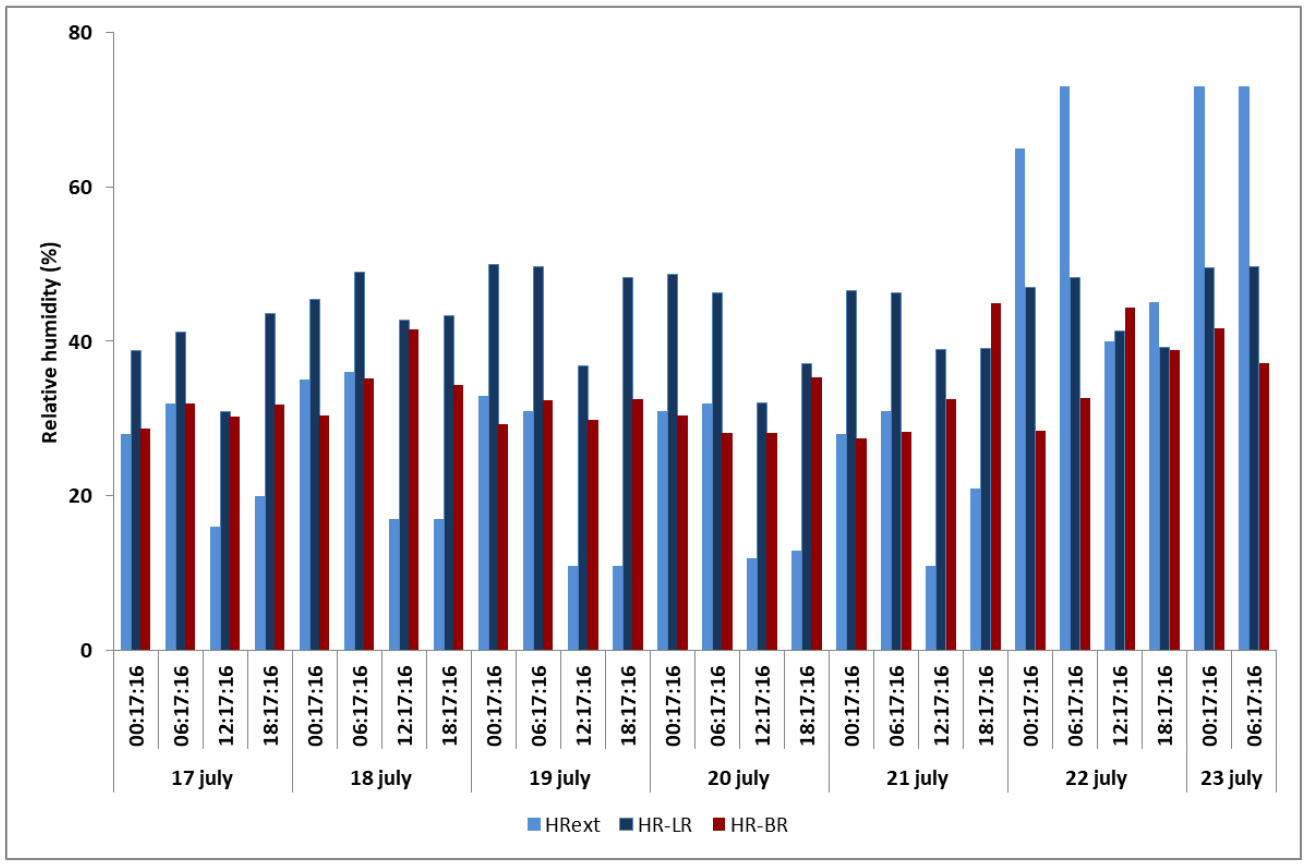
Nonetheless, it is important to mention that RH remained in acceptable limits (27.4% - 49.7% in Figure 8) in relation to hydrothermal comfort and did not fail to aggravate the discomfort. However, to guarantee comfort, the air-conditioning must be used.
Results of computer simulation
Impact on indoor air temperature: As illustrated in Figure 9, the temperature differences between the conventional wall and the two proposed configurations (S1-S2) vary according to the room orientation and prevailing climatic conditions. For the analysis, two representative days in July (the hottest month of the year) were selected: one extremely hot day (42 °C) and another typical summer day (36 °C).
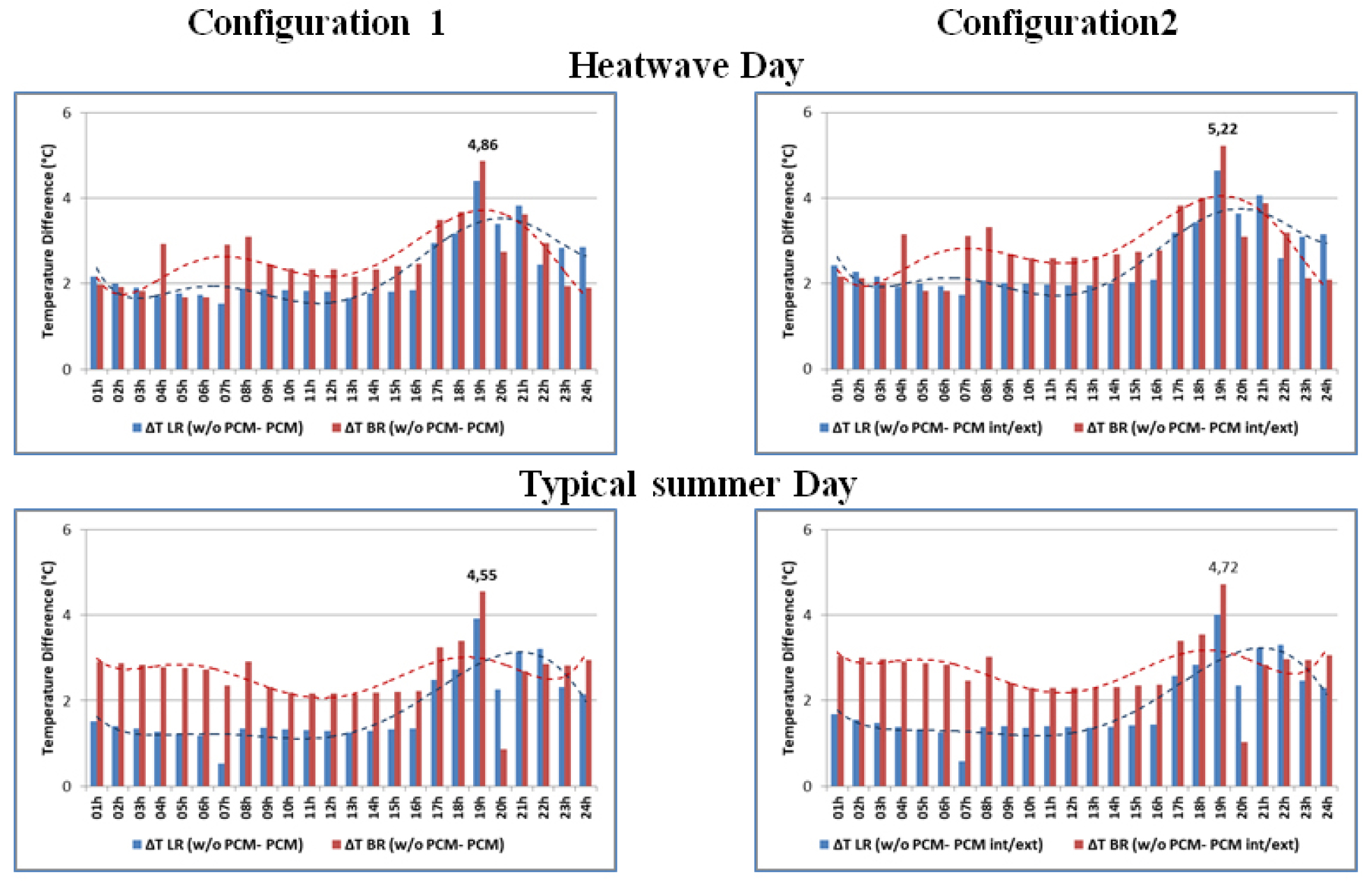
During the heat wave day, the maximum reduction in indoor air temperature (Tai) reached 4.41 °C in the LR with configuration S1, and 4.64 °C with configuration S2. In the BR, the highest reductions were 4.86 °C with S1 and 5.22 °C with S2. On a typical summer day, the reductions were slightly lower, with maximum values of 3.92 °C (S1) and 4.01 °C (S2) in the LR, and 4.55 °C (S1) and 4.72 °C (S2) in the BR.
The most pronounced reductions occurred in the late afternoon and early evening, between 17:00 and 22:00 during the heat wave day, and between 17:00 and 19:00 on the typical summer day, corresponding to peak occupancy hours when thermal comfort is most critical. These improvements are primarily attributable to the PCM’s ability to absorb heat during periods of high solar radiation. As the material reaches its melting point, it stores latent thermal energy, thereby lowering wall surface temperatures and limiting heat transfer to the indoor environment. During peak heat hours, the surface temperature of the PCM panel’s remains within the phase change range, ensuring maximum heat absorption and effectively mitigating indoor overheating [44].
Moreover, the integration of panels of PCMs helps reduce indoor temperature fluctuations compared to outdoor conditions by effectively increasing the thermal mass of the building [45]. Building orientation also plays a decisive role in the interaction between PCM, solar radiation, and ambient temperatures. Specifically, the southeast oriented BR, which is exposed to direct solar radiation for most of the day, shows greater reduction values than the northwest oriented LR, which receives more limited sunlight (Figure 9). Walls subjected to prolonged solar exposure particularly benefit from PCM incorporation, as it absorbs and stores solar energy, thereby improving indoor comfort while reducing cooling demand [46]. Careful consideration of orientation during the design phase can further maximize PCM performance, leading to more consistent energy savings [22].
Degree-Hour Discomfort Method (DHD): The DHs indicator represents a major advancement in assessing summer comfort within the framework of the 2020 Environmental Regulation (RE2020) [47]. It specifies both the duration and intensity of thermal discomfort periods experienced by occupants in the absence of air-conditioning.
Discomfort was evaluated using the DHD method, which accounts for both the intensity and duration of overheating periods. The discomfort rate was first calculated for the two selected days and then for the entire summer period for the LR and the BR, based on the sum of positive differences between the indoor air temperature and a fixed threshold temperature. This method enables the assessment of both the frequency and severity of thermal discomfort, particularly in living spaces such as the living room LR and bedroom BD, as expressed by the following equation [48]:
Top = indoor operative temperature at hour
Tcomf = Adaptive comfort threshold defined
n = Total number of hours over summer which is 2208.
We calculate DHs in both rooms for the selected days, comparing them to comfort temperature thresholds of 24°C and 27°C.
A reduction in DHs is observed for both wall configurations and across the two selected days, with a more pronounced decrease for the BR (Figure 10). This reduction becomes even more significant as the comfort temperature threshold increases. The decrease in DHs directly mitigates thermal discomfort and thereby enhances occupants’ comfort [49].
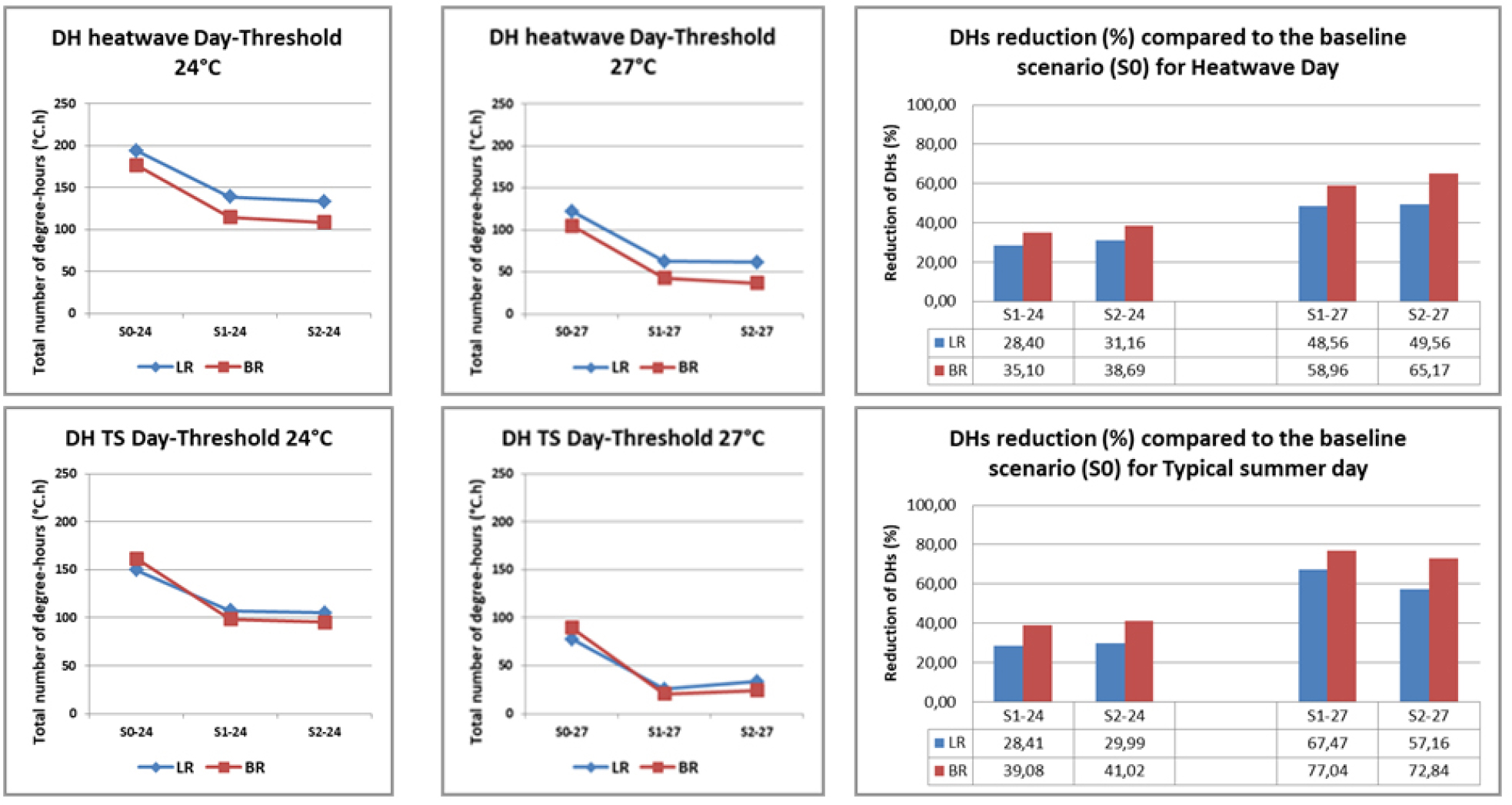
The results also reveal that the reductions in DHs are greater on a typical summer day compared to a heat wave day. This finding highlights that the effectiveness of PCM is diminished under excessively high temperatures; as such conditions prevent the material from fully regenerating [50]. During prolonged heat waves, when nighttime temperatures remain consistently elevated and do not drop sufficiently below the PCM melting point, solidification is only partial or does not occur at all, leaving the material with little to no remaining latent heat capacity at the onset of the following day [51]. In the specific context of Constantine, elevated nocturnal temperatures and reduced diurnal temperature variation further limit passive heat release, leading to incomplete regeneration and a progressive reduction in latent heat storage capacity over successive hot days. This incomplete nocturnal regeneration a recognized limitation of passive PCM systems, which rely entirely on natural temperature fluctuations to discharge their stored heat [50].This observation is consistent with the findings of [22], who emphasize that in hot climates, the limited diurnal temperature range can hinder the complete regeneration of PCMs, thereby reducing their overall thermal performance and energy efficiency.
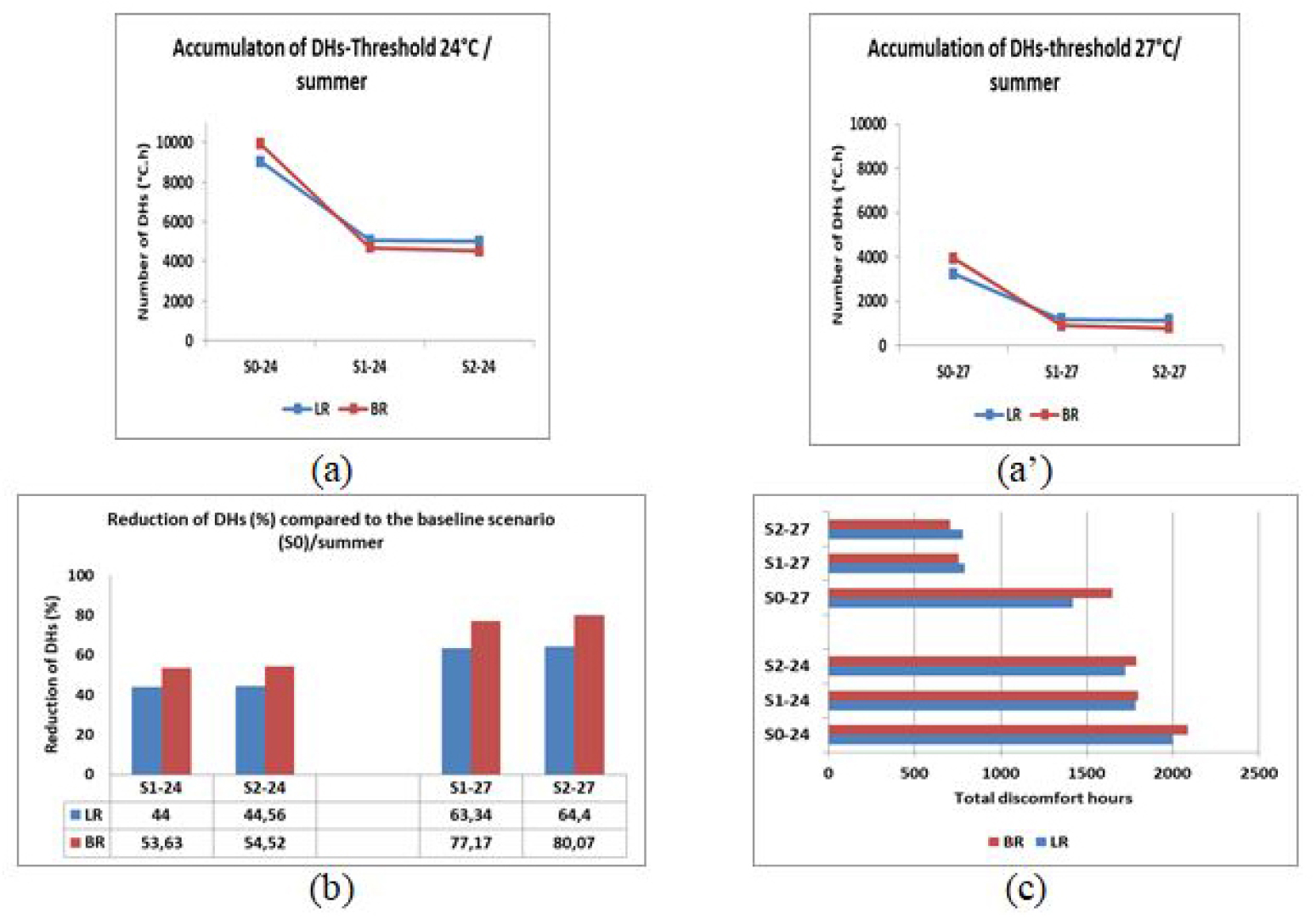
Duration of Summer Discomfort: To determine the proportion of summer hours of discomfort in the selected spaces (Figure 11), we calculated the discomfort rate according to the following equation [49]:
I(ㆍ) = indicator function → equals 1 if condition is true, 0 otherwise
Adopting a higher comfort set point temperature (27 °C) significantly allows for a reduction in discomfort hours (Figure 11). At a comfort temperature of 24 °C, the reduction in discomfort hours ranges from 10.71% to 14% in the LR and from 13.90% to 14.38% in the BR. In contrast, when the comfort temperature is set to 27 °C, the reduction in discomfort hours increases considerably, reaching 44.54% for S1 and 45% for S2 in the LR, and 54.27% for S1 and 57.30% for S2 in the BR. Although configuration S2 provides a slightly greater benefit than S1, the difference remains minimal, underscoring the limited impact of PCM integration within interior partitions. Overall, the reduction is more substantial in the BR than in the LR, a result attributable to the southeast orientation of the BR. This finding is consistent with previous studies that emphasize the influence of orientation on PCM performance [22, 37].
These results further suggest that PCM integration alone is insufficient to ensure full summer comfort. As highlighted by [52], complementary strategies such as optimized glazing and effective night-time ventilation are necessary to enhance the regenerative capacity of PCMs and to maximize their overall energy efficiency potential.
In line with this, the integration of PCM has been shown to reduce DHs in both spaces and for both wall configurations, thereby confirming its ability to enhance occupants’ thermal comfort by mitigating overheating [53] and by decreasing the duration of discomfort. Consequently, incorporating PCM into building envelopes not only improves thermal comfort during hot seasons but also contributes to reducing cooling energy demand and associated costs [18, 54].
Cooling energy demand: In buildings, the demand for cooling is directly linked to Cooling Degree Hours (CDHs), which represent the cumulative sum of temperature differences above a defined comfort threshold. This indicates that the greater and longer the temperature exceeds the comfort level, the higher the cooling demand will be.
Cooling loads are assessed under three defined comfort scenarios (Table 4): an enhanced comfort setpoint at 24°C and another for normal comfort at 27°C (mentioned in section 4.1). Moreover, many academic studies indicate that 26 °C constitutes an excellent set point value for air-conditioning in many hot contexts [38, 55]. Nine configurations were tested according to two occupancy scenarios relating to weekdays and weekends:
Table 4.
Comfort temperature scenarios for simulating cooling needs
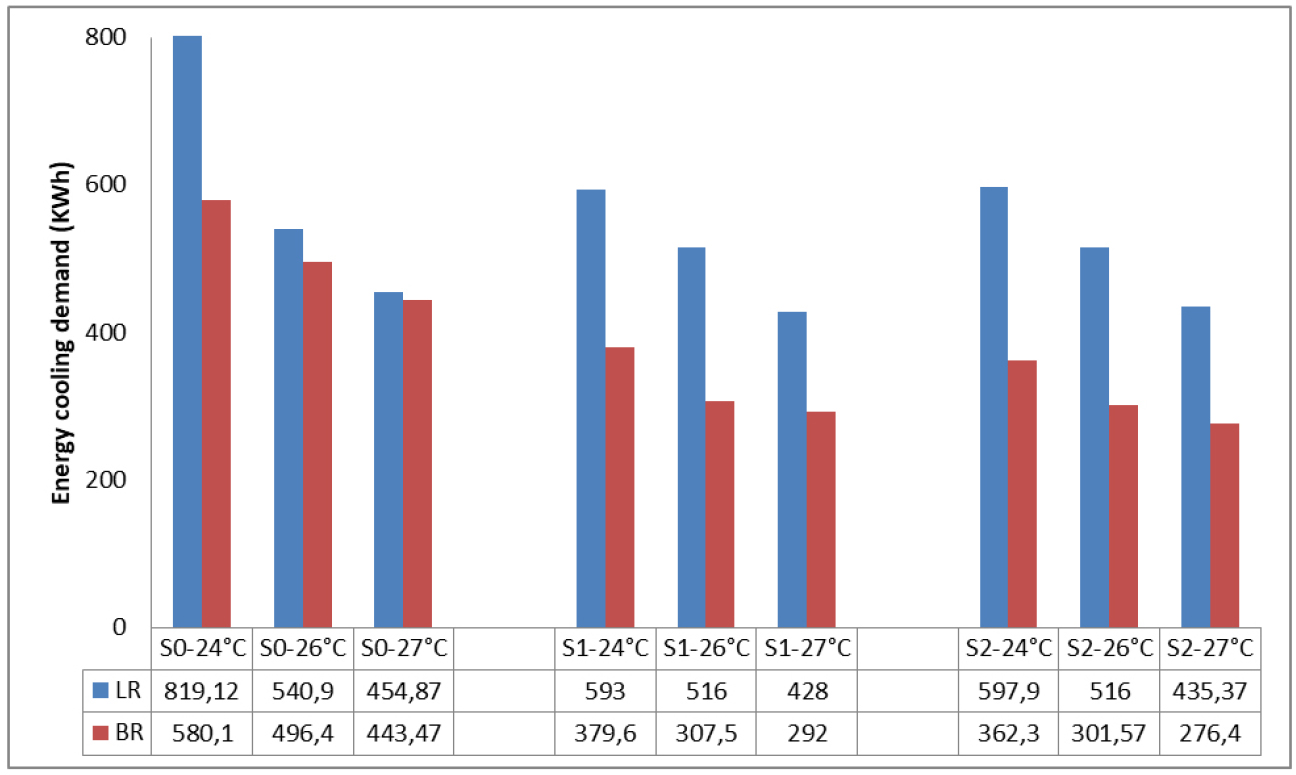
During the summer, the energy consumption for cooling in the two spaces under consideration never drops below 250 kWh, reaching 800 kWh for the LR and 580 kWh for the BR (Figure 12). This consumption level, which is regarded as high, results in a notable energy impact in addition to a substantial financial cost.
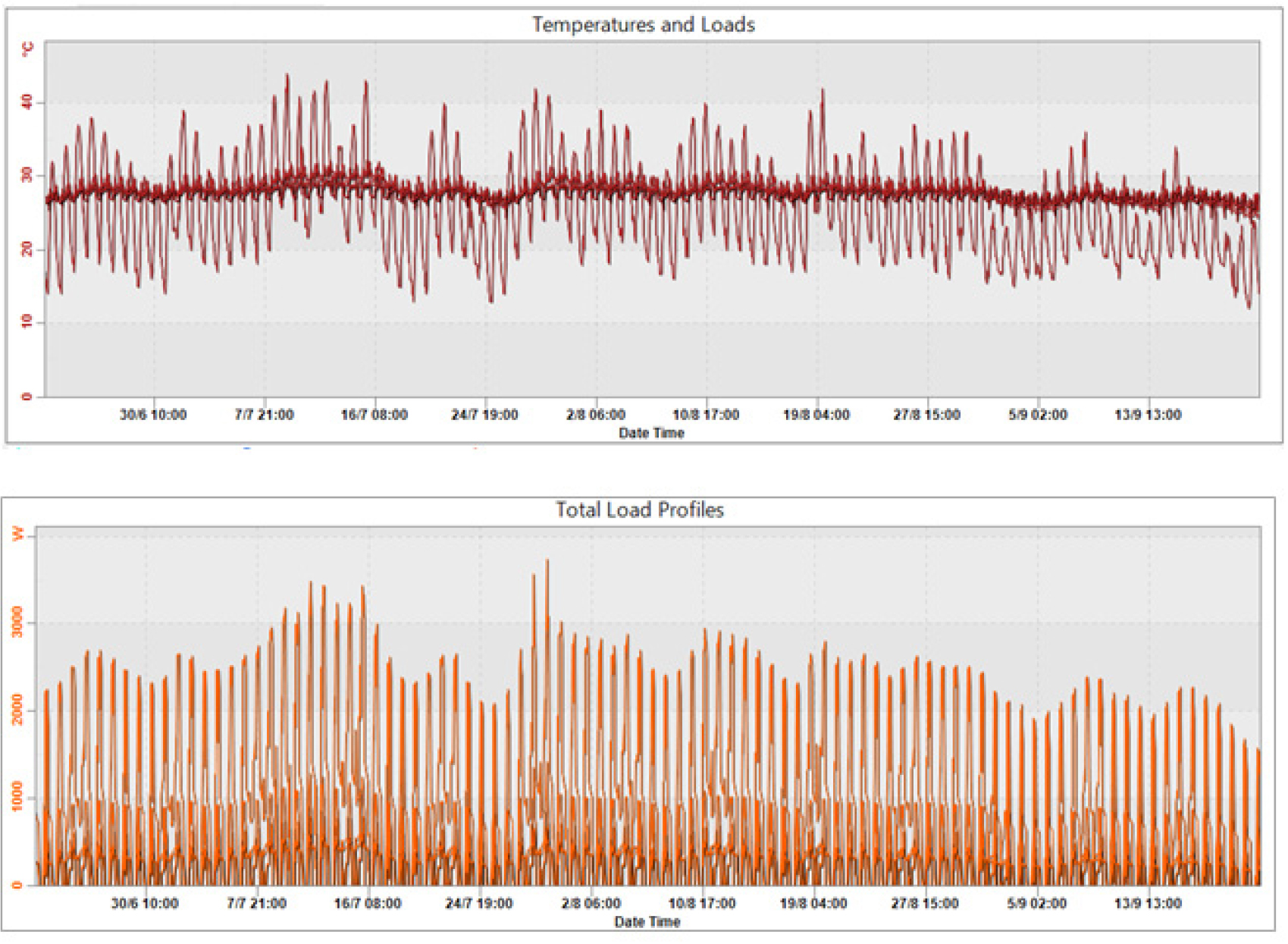
The simulation results for the entire apartment, including space cooling during the summer, are shown in Figure 13. The highest cooling demand for the apartment occurs in july and august, the cooling loads reach their peak. Even with panels PCM integration, the apartment’s air conditioning uses more than 2000 kWh in the summer months because of extreme heat waves. However, as the thermostat set point rises, less energy is used for cooling (Figure 14).
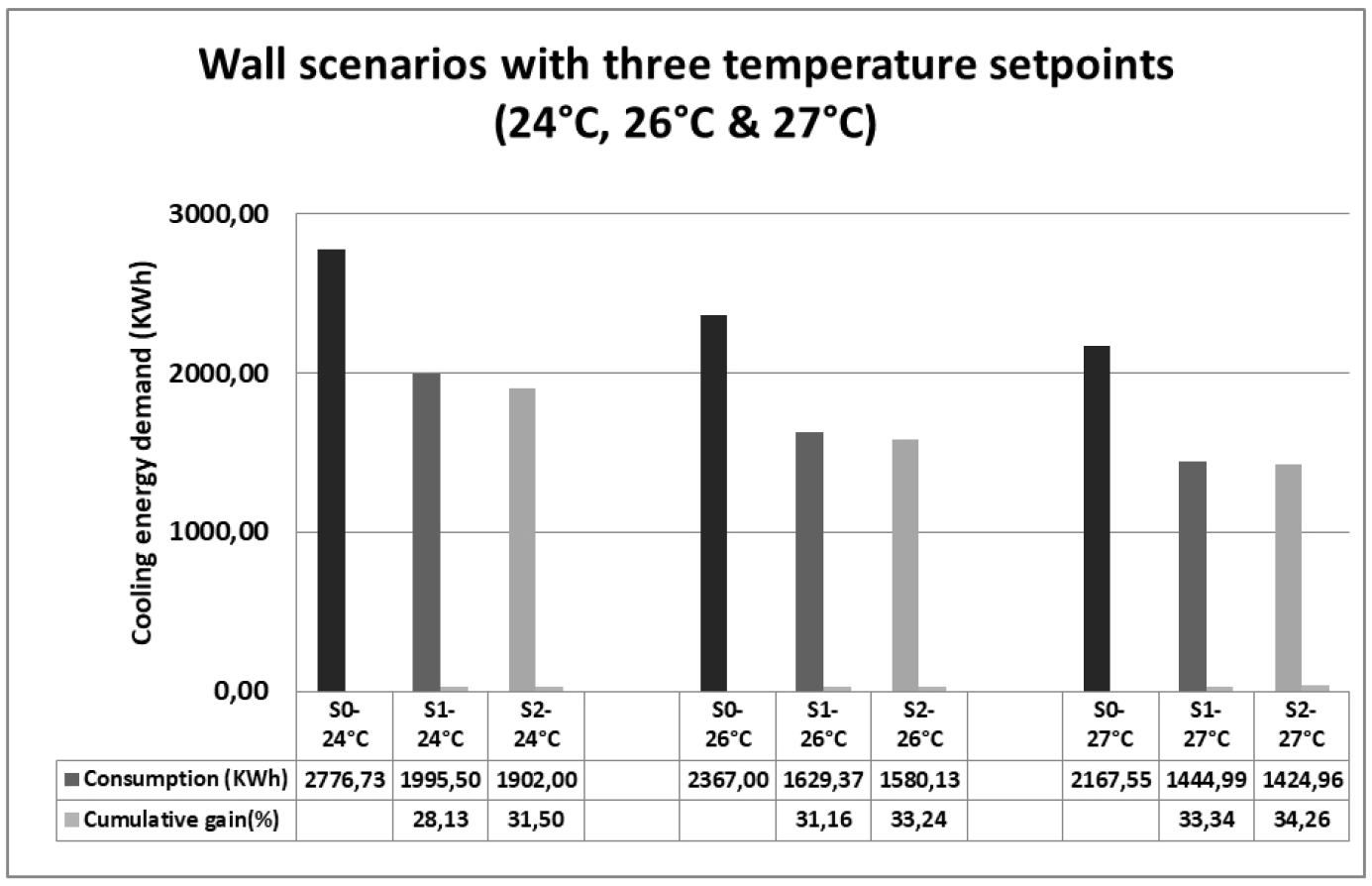
The obtained results demonstrate that, in comparison to the conventional model S0, the PCM panels integration results in a significant reduction in energy consumption. More precisely, the configuration 1 (S1) reduces air conditioning power consumption by 28,13% to 33,34%, whereas the configuration 2 (S2) shows a reduction of 31,50% to 34,26%.
This achieved cooling energy savings of up to 800 kWh. While this may seem modest, it represents a substantial improvement at the scale of residential buildings and becomes highly impactful when extrapolated to large building stocks.
The energy efficiency potential of PCM is amply demonstrated by these performances, and improving the thermal characteristics of PCM could further enhance these savings, in line with the findings of [22]. These results suggest that PCM can be effectively applied in buildings to improve thermal comfort while reducing air-conditioning loads during hot seasons that was confirmed by [18, 56, 57].
This achieved cooling energy savings of up to 800 kWh. While this may seem modest, it represents a substantial improvement at the scale of residential buildings and becomes highly impactful when extrapolated to large building stocks.
Conclusion
In this study, thermal performance of a residential building located in Constantine (Algeria) was assessed using both field measurement and computer simulation. The DHD method was used and cooling energy demand was evaluated with the TAS EDSL simulation program with the objective of improving occupants’ comfort and reducing cooling energy demand during summer. To limit overheating caused by excessive solar gains, PCM Energain® panels were installed on the exterior wall and internal partitions.
Simulation results confirmed the positive impact of PCM panels on both thermal comfort and energy efficiency. Indoor air temperatures were reduced by up 4°C in the living room and 5°C in the bedroom, while discomfort hours decreased by up 45% and 58% respectively. Overall cooling loads for the entire apartment were reduced by up to 34
These findings establish PCM as a passive cooling technology well-suited to semi-arid climates, capable of absorbing daytime heat, attenuating indoor temperature peaks, and alleviating the demand on active cooling systems, thereby simultaneously enhancing energy efficiency and thermal comfort.
The primary limitation of this study lies in the use of a single melting-point PCM, which may restrict the generalizability of the results across the full range of residential building configurations.
From a practical perspective, the results highlight the strong potential of PCM integration as a passive retrofit solution for existing Algerian residential buildings, particularly in semi-arid climates characterized by high cooling demand. The incorporation of Energain® panels within building envelopes can contribute to peak load reduction, delay indoor temperature rise during extreme heat events, and improve thermal comfort without increasing mechanical cooling dependence. These findings support the inclusion of PCM based strategies within Algerian building energy efficiency regulations and national retrofit programs. For large scale residential deployment, considerations such as cost effectiveness, installation feasibility, long term durability, and climatic suitability particularly regarding night time regeneration capacity should be carefully evaluated. Overall, the study provides evidence based guidance for policymakers, designers, and housing authorities aiming to enhance thermal resilience and reduce energy consumption in the Algerian housing sector.

