


Introduction
Research Trend
Analysis of G-SEED Certification Status (Materials and Resources)
Overview
Certification Items and Scoring System
Analysis Targets
Analysis Result
General Buildings
Office Buildings
Educational Buildings
Commercial Buildings
Accommodation
Discussions and limitations
Discrimination Power of MR Credits
Differences by Building Type
Policy Implications
Limitations
Conclusions
Introduction
The Green Building Certification System (G-SEED, Green Standard for Energy and Environment) is a program that grants certification to buildings that achieve energy savings and reductions in environmental pollution throughout the entire process of design, construction, and operation. It plays a key role in Korea’s sustainable building policy.
As global interest in responding to climate change and improving building environmental performance grows, various countries operate green building certification systems that comprehensively evaluate the environmental impacts of buildings, such as LEED in the United States, BREEAM in the United Kingdom, CASBEE in Japan, Green Mark in Singapore, and Green Star in Australia.
G-SEED consists of seven specialized categories: Land Use and Transportation, Energy and Environmental P ollution, Materials and Resources, Water Circulation Management, Maintenance, Ecological Environment, and Indoor Environment. Among these, the Materials and Resources (MR) category has recently gained greater importance through revisions to the certification system.
In particular, the use of low-carbon materials, promotion of resource circulation, reduction of construction waste, and application of environmentally certified products are directly linked to national carbon neutrality policies and have become important evaluation criteria.
Non-residential buildings account for more than 70% of all G-SEED certifications, making them a major certification type. The application characteristics of the MR category therefore have a significant influence on the technological and policy direction of Korea’s construction industry.
Meanwhile, in the field of building environment, there is a growing demand to move beyond conventional energy performance–centered evaluations and to comprehensively consider the environmental impacts over the entire life cycle of buildings, including material production, construction, and demolition.
While energy use during the operational stage has steadily decreased due to continuous efficiency improvement policies, material-related emissions and environmental burdens arising during the construction phase are increasingly recognized as critical factors influencing overall building environmental performance. These changes have led to institutional developments in major regions, including Europe, such as expanded adoption of Life Cycle Assessment (LCA), strengthened use of Environmental Product Declarations (EPDs), and the establishment of standards for low-carbon material application.
In Korea as well, research on building LCA, Environmental Product Declarations (EPDs), and the use of low-carbon materials is increasing. However, studies that analyze long-term G-SEED certification data (2017–2024) covering the entire Materials and Resources category remain very limited.
In particular, there is a lack of objective evidence on how revisions to the certification system have influenced the selection of MR credits and trends in score acquisition in actual projects.
Therefore, this study aims to quantitatively analyze the application status of MR certification items and trends in score acquisition by item for non-residential buildings certified under G-SEED from 2017 to 2024, and to identify changes over time and differences by building type.
Research Trend
Research on building environmental performance is expanding from an operation-stage focus to a full life-cycle approach, with increasing emphasis on the importance of embodied carbon generated during the production and construction stages of building materials.
Lützkendorf et al. [1] defined embodied carbon in buildings as the total greenhouse gas emissions occurring during the manufacturing, construction, maintenance, and demolition stages, and analyzed its strong relationship with material selection in the early design phase. Röck et al. [2] also demonstrated, through a global review of LCA case studies, that as operational energy use decreases, the relative importance of embodied carbon increases.
From a circular economy perspective, research related to the Materials and Resources (MR) category is also expanding. Pomponi et al. [3] proposed a research framework for implementing circular economy principles in the built environment, emphasizing the need for strategies focused on material circularity, reusability, and life-cycle–based resource efficiency through analyses of urban and building material flows.
Comparative studies on Green Building Rating Systems (GBRSs) have repeatedly pointed out limitations in the MR category. Doan et al. [4], in a comparison of LEED, BREEAM, CASBEE, and Green Star, noted that in many systems, materials and resources criteria are structured more around the presence of product certifications than on quantified environmental impacts. Similarly, Marchi et al. [5] evaluated that MR credits in GBRSs do not sufficiently reflect embodied carbon reduction effects.
Berardi [6] critically reviewed sustainability assessment systems in the construction sector and pointed out that many rating systems rely on checklist-based approaches rather than performance-based quantitative evaluation, limiting their ability to reflect actual environmental impacts.
Similarly, Suzer [7], through a comparative analysis of major green building certification systems, indicated that differences in evaluation structures and weighting schemes can lead to inconsistencies in how environmental performance is assessed, particularly in the materials and resources category. These findings further highlight the need for more standardized and quantitative approaches, such as LCA-based evaluation, in GBRS frameworks.
Research on LCA-based assessment of material environmental impacts has also steadily accumulated. Seo et al. [8] presented a building LCA model integrating LCA data for structural and finishing materials, while Kim et al. [9] evaluated the influence of material selection on total emissions through sensitivity analysis of major materials in apartment buildings based on LCA.
In Korea, Kim et al. [10] raised issues regarding the need for proper management of key material categories and database consistency when conducting LCA within G-SEED.
Additionally, Seo et al. [11], who analyzed the status of building LCA applications, reported that the number of cases applying LCA increased from only six in 2017 to 426 in 2022, demonstrating the rapid expansion of LCA utilization within green building certification.
Regarding studies specifically on G-SEED, Yun et al. [12] analyzed score acquisition patterns by credit in multi-family housing certification results, and Kwon et al. [13] refined the application methods of low-emission material criteria in the Indoor Environment (IE) category.
However, most previous studies have focused on individual credits or specific categories. There is still a lack of research that quantitatively analyzes long-term G-SEED certification data across the entire Materials and Resources (MR) category [14].
Therefore, this study is meaningful as an empirical investigation that complements the limitations of previous research and proposes directions for improving the G-SEED system [15].
Analysis of G-SEED Certification Status (Materials and Resources)
Overview
G-SEED classifies assessment targets broadly into residential and non-residential buildings. The non- residential buildings evaluated in this study refer to buildings that do not fall under residential use and are categorized into five types: office buildings, educational facilities, commercial facilities, hospitality facilities, and general buildings that do not belong to the other four categories [12].
G-SEED certification grades are divided into four levels: Best (Green Grade 1), Excellent (Green Grade 2), Very Good (Green Grade 3), and Good (Green Grade 4). The total score criteria for each certification grade, the weighting of each specialized category used in the total score calculation, and the point allocation for individual certification items vary depending on the importance and difficulty of each category and item. These also differ by building type—new or existing—and by residential versus non-residential buildings.
For newly constructed residential buildings, which are the focus of this study, evaluation is conducted across seven specialized categories plus an Innovation in Design (ID) category [13].
The seven specialized categories are as follows:
1) Land Use and Transport (LT)
2) Energy and Environmental Pollution (EP)
3) Materials and Resources (MR)
4) Water Management (WM)
5) Operation and Maintenance (OM)
6) Ecological Environment (EN)
7) Indoor Environment (IE)
Certification Items and Scoring System
Depending on the sub-classification of the building, the total available score for each of the seven specialized categories differs (Table 1). This is because the certification items applied vary according to building type and use, as specified in the annexes of the G-SEED Certification Standards.
Table 1.
Scores by building type and assessment category (Non-residential)
To determine the certification grade, the total score is calculated according to the Certification Grade Calculation Tablein the G-SEED standards. First, the score obtained in each specialized category is divided by that category’s total possible score to obtain an achievement ratio. This ratio is then multiplied by the category weighting (Table 2) to produce the final score by category.
The sum of the final scores from all seven categories, plus any points earned in the Innovation in Design (ID)category, becomes the total score. Certification grades are awarded based on this total score according to the criteria in Table 3. The same calculation method and grading criteria apply to both preliminary and final certification.
Table 3.
Total score criteria by certification grade (Non-residential)
| Green 1 | Green 2 | Green 3 | Green 4 | |
| Total score | ≥ 80 points | ≥ 70 points | ≥ 60 points | ≥ 50 points |
Analysis Targets
The dataset used in this study consists of 5,884 newly constructed non-residential buildings that obtained preliminary G-SEED certification between 2017 and 2024. The certification data were collected from the official G-SEED certification database managed by the certification authority.
To ensure data consistency and reliability, a preprocessing procedure was conducted prior to analysis. Cases with incomplete or inconsistent records were excluded, and all projects were classified according to building use type, including general, office, educational, commercial, and hospitality buildings. The analysis focused exclusively on certification items within the Materials and Resources (MR) category.
For the analysis of score acquisition patterns, several statistical indicators were employed. First, the average achieved score was calculated for each MR item by certification grade to identify general performance trends. Second, the achievement ratio was derived by dividing the obtained score by the maximum possible score, allowing for standardized comparison across items. Third, the zero-score ratio was analyzed to evaluate the proportion of projects that failed to obtain points for each item, which serves as an indicator of difficulty and applicability. Finally, a grade-wise comparative analysis was conducted to examine the discrimination power of individual MR credits across certification levels.
These analytical approaches enable a comprehensive evaluation of score distribution patterns and provide a basis for assessing the effectiveness and structural characteristics of MR certification items.
These include 3,540 general buildings, 1,377 office buildings, 804 educational facilities, 24 commercial facilities, and 139 hospitality facilities. The study focuses on the status of point acquisition for individual items in the Materials and Resources (MR) category.
The MR certification items for non-residential buildings are shown in Table 4.
Table 4.
Certification items in the MR category
This category evaluates the selection of building materials and resource efficiency. It encourages the use of materials certified with Environmental Product Declarations (EPDs) and high-quality recycled products, aiming to reduce resource consumption.
It also promotes the use of materials with reduced hazardous substances, thereby minimizing harmful emissions during the production, use, and disposal stages of construction materials and enhancing environmental protection.
Although the criteria for calculating scores vary slightly by item, the final score for each item is determined by multiplying the item weighting(which varies by certification grade) by the assigned points. Item weighting ranges from 1.0 to 0.4 depending on grade: Grade 1 has a weighting of 1.0, and the weighting decreases by 0.2 with each lower grade down to 0.4 for Grade 4.
Items 3.1–3.6 are applied uniformly with a single weighting principle, meaning that the score distribution for these items follows the same pattern as the distribution of certification grades.
Through this study, analyses were conducted on the status of score acquisition by certification item in the MR category by building use, the average scores obtained by item according to certification grade, and the distribution of high-scoring and zero-scoring items.
Analysis Result
General Buildings
The MR (Materials and Resources) category applied to general buildings consists of six certification items. Among them, Item 3.6 (Installation of storage facilities for recyclable resources)is mandatory, while the remaining five are optional evaluation items.
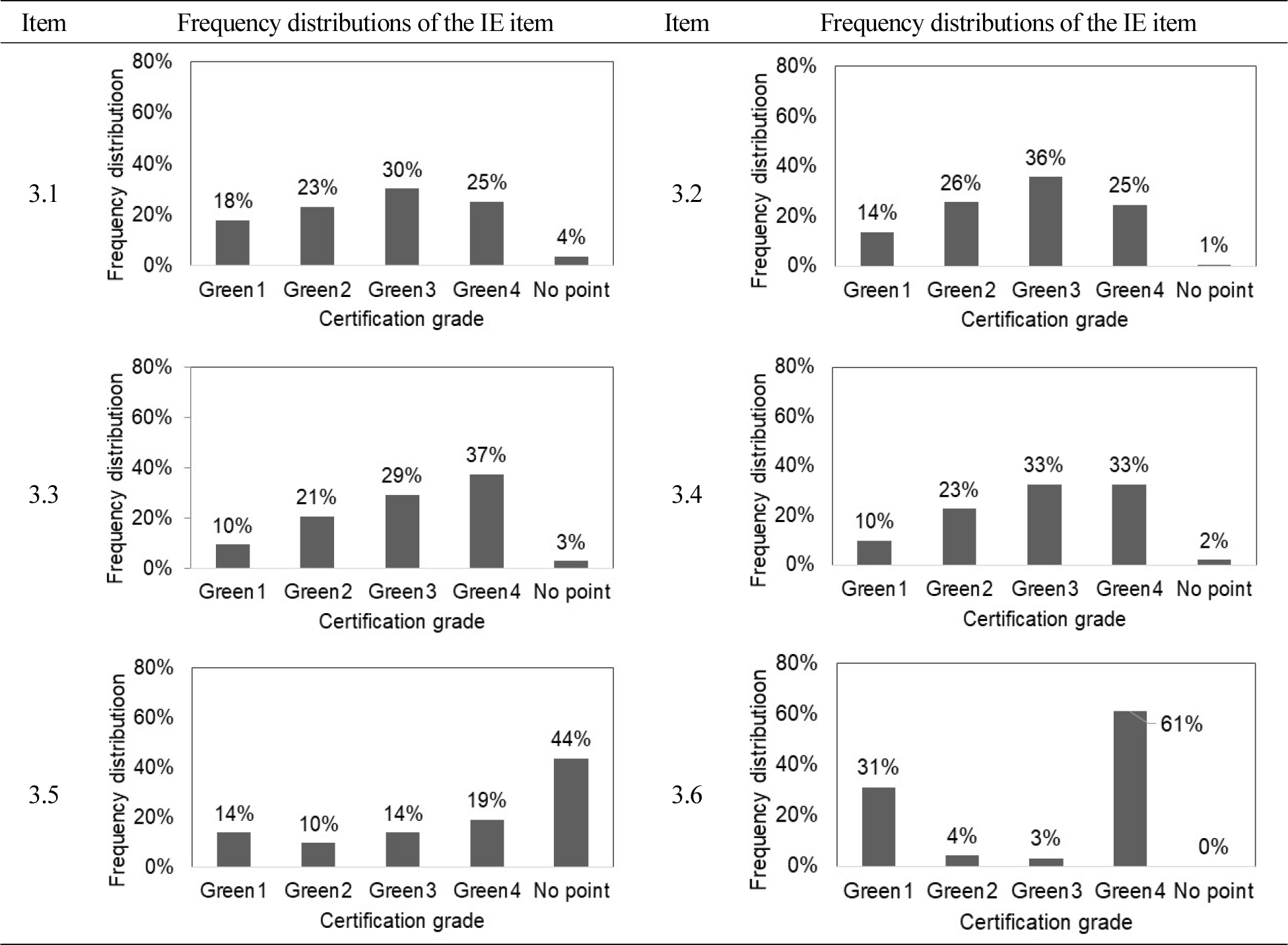
Table 5 and Figure 1 present the average points achieved for each certification item, and Figure 2 shows the distribution of points earned by item and certification grade.
Table 5.
Average achieved points by MR items and grades in general buildings
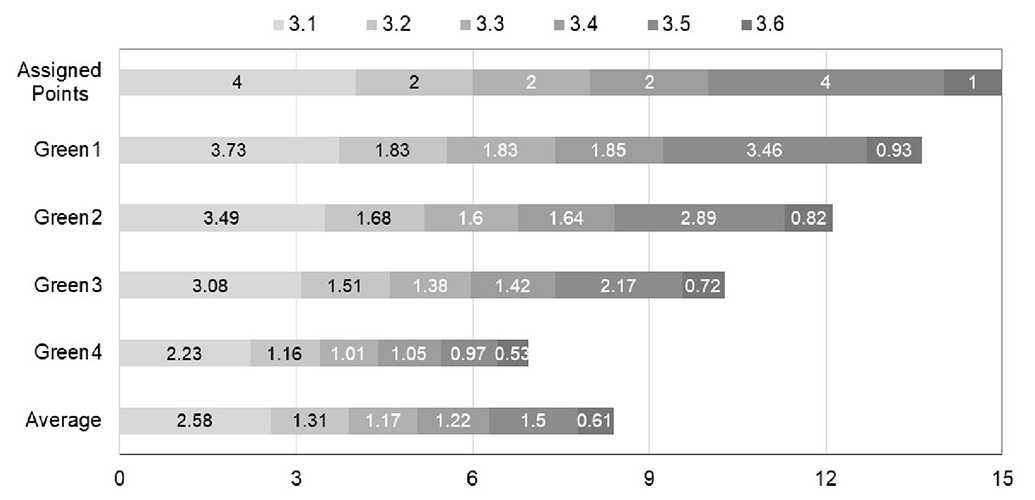
Across all certification items, higher certification grades consistently correspond to higher average scores, and the score gaps between grades appear relatively even. This indicates that, for general buildings, the MR category is designed with an appropriate level of discrimination and difficulty across certification grades.
In particular, Green Grade 1shows high achievement rates of approximately 80% across all certification items, with minimal variation between items, indicating balanced performance. In contrast, Green Grade 4shows a sharp decline in achievement in Item 3.5 (Application ratio of green building materials), with an achievement rate of only 24.2%, indicating that this item is relatively difficult for lower-grade buildings.
These results suggest that higher-grade buildings tend to manage all MR items in a balanced manner, whereas lower-grade buildings exhibit greater variation across items and tend to fall short in specific areas.
When examining the distribution of scores by grade for each certification item, the proportion of zero scores is low for all items except Item 3.5, and the distribution across Grades 1 through 4 is relatively even. This suggests that most items are effective as evaluation criteria and have an appropriate level of difficulty.
However, Item 3.5has a zero-score rate of 43.6%, indicating that nearly half of the certified general buildings did not earn points in this item, suggesting a need for improvement. The mandatory Item 3.6also shows a polarized distribution, with achievement concentrated in Grade 1 (31.3%) and Grade 4 (61.2%), indicating that its evaluation method and level of difficulty may require reconsideration.
Office Buildings
The MR category for office buildings also consists of six certification items, with Item 3.6as a mandatory requirement and the remaining five as optional items.
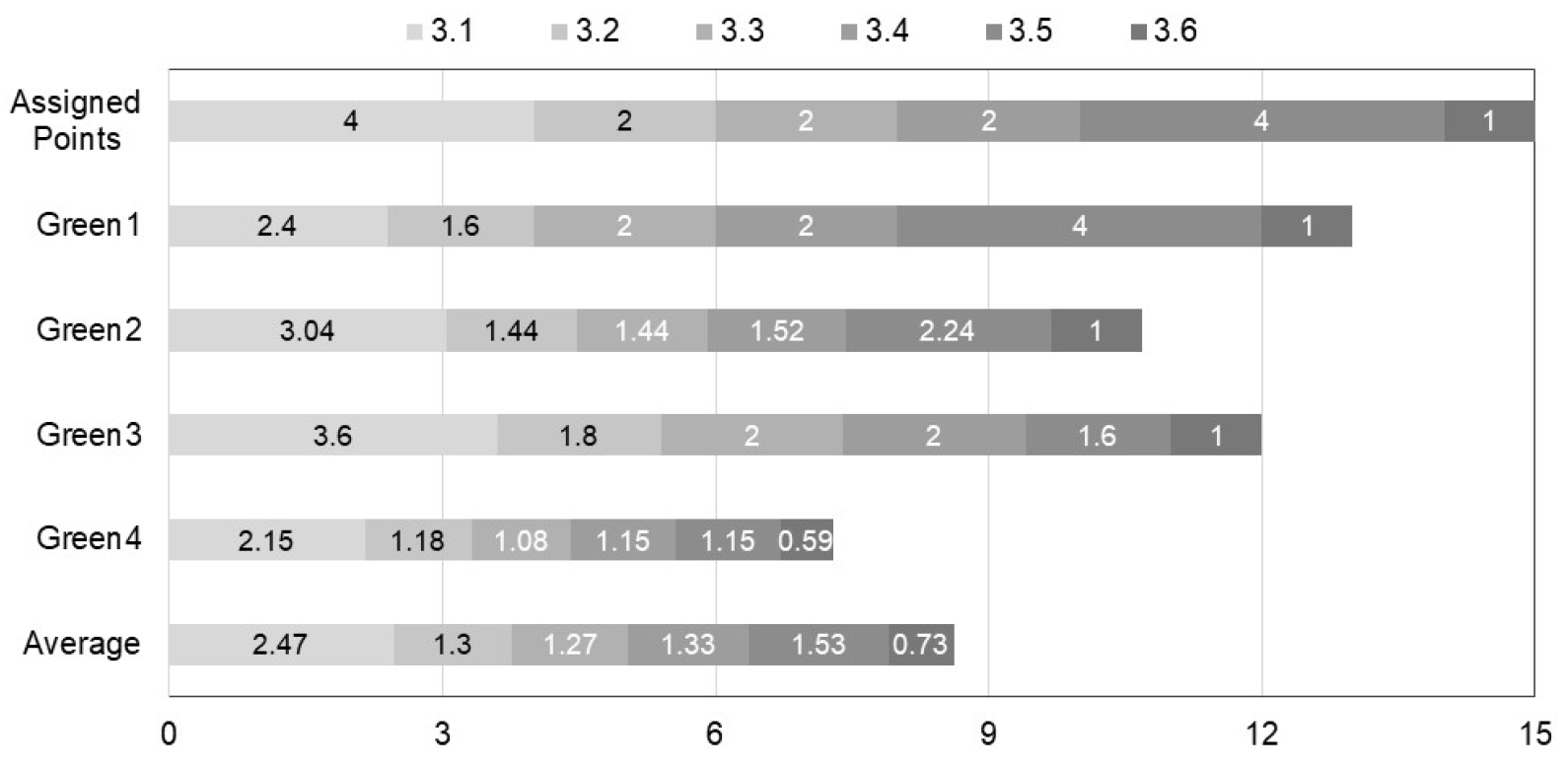
In preliminary certification results for office buildings, average scores increase with higher certification grades for all items except Item 3.5, showing an overall balanced trend (Table 6). The mandatory Item 3.6shows consistent score differences from Green Grade 1 to Grade 4, indicating that this item is designed with appropriate discrimination and difficulty (Figure 3).
Table 6.
Average achieved points by MR items and grades in office buildings
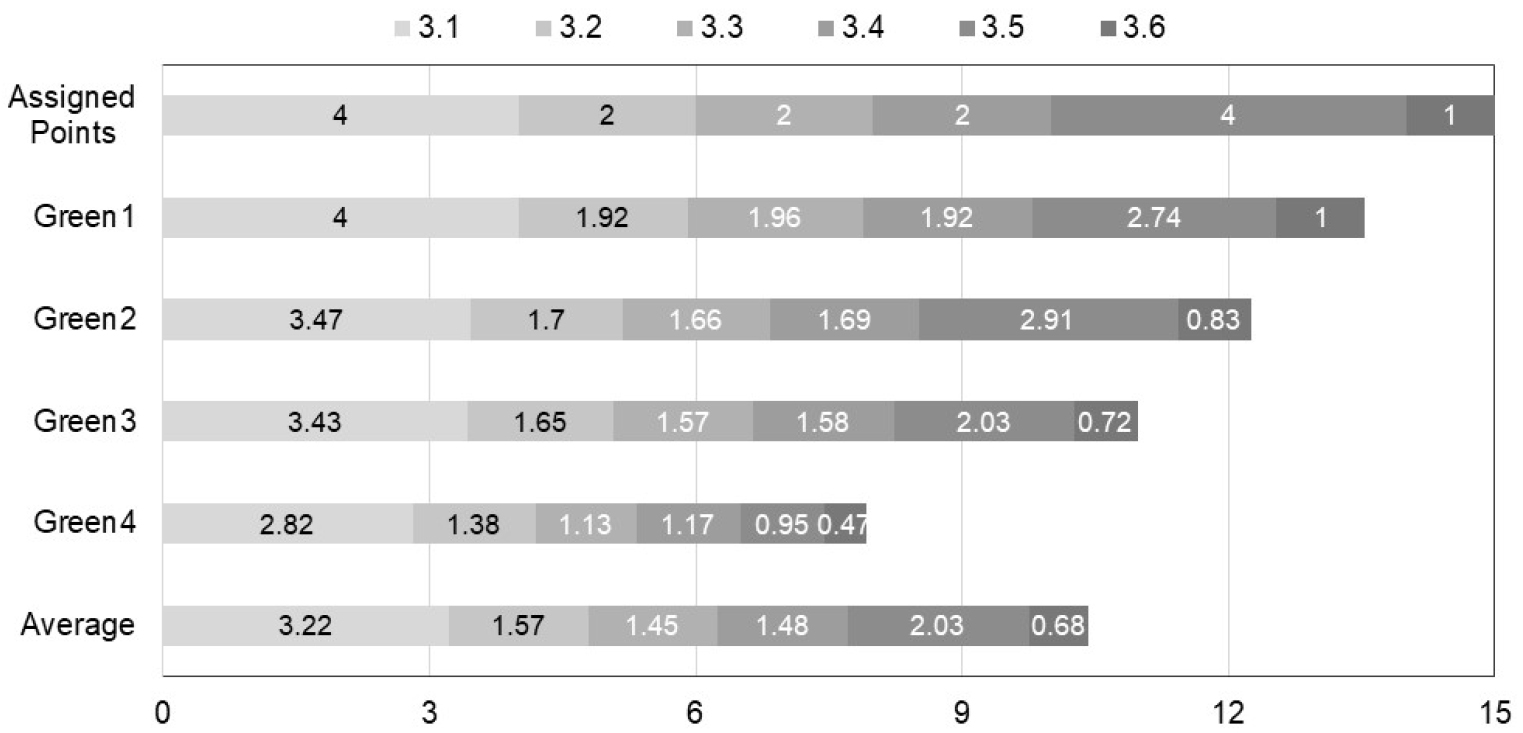
For Item 3.5 (Application ratio of green building materials), which carries four points, a score reversal between Green Grades 1 and 2 is observed. Nevertheless, due to its high point value and clear score differences across grades, this item is considered to contribute significantly to achieving higher certification grades.
Another notable characteristic in office buildings is that for several items (3.1–3.4), score differences between Green Grades 1 and 4 are clear, while differences between Grades 2 and 3 are relatively small. This suggests that discrimination between middle grades may not be sufficiently strong.
In particular, for Item 3.5, the average score for Green Grade 4 (0.95 points) is significantly lower than for other grades, indicating that the evaluation difficulty may disproportionately disadvantage lower-grade buildings. These results suggest the need to improve the evaluation approach to ensure more balanced discrimination across grades and to allow lower-grade buildings to achieve at least a minimum level of points.
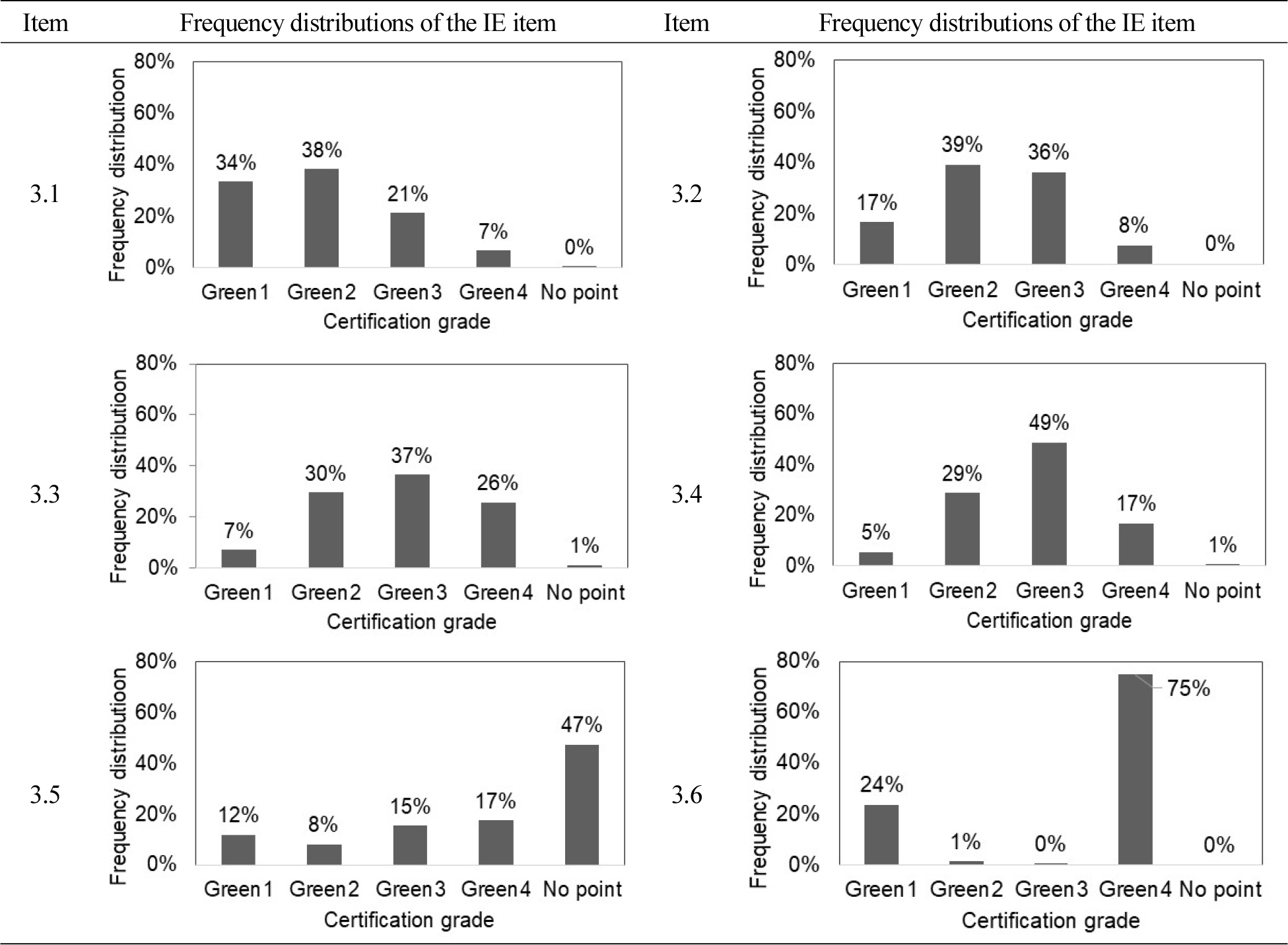
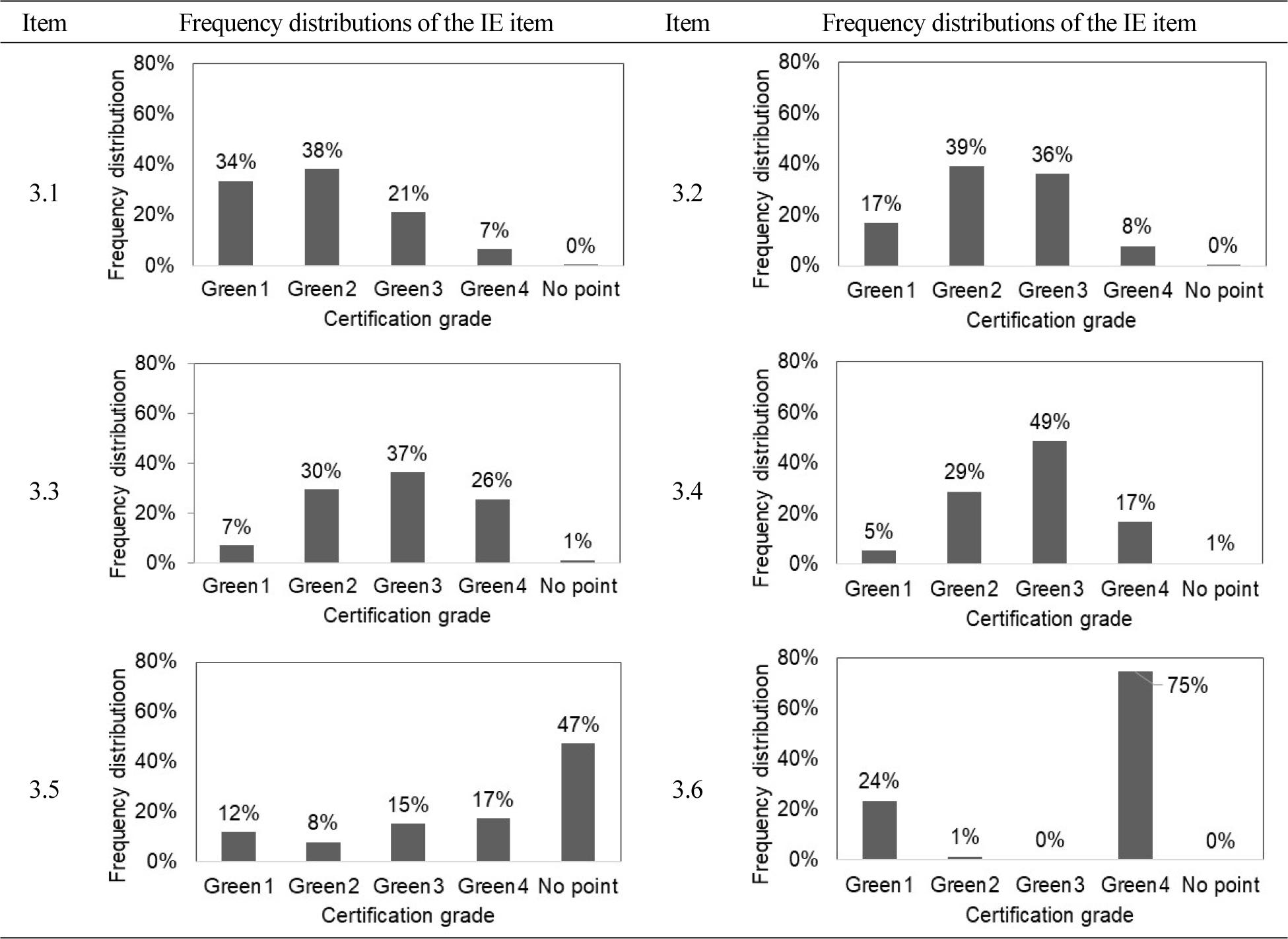
Although Item 3.6is mandatory, more than 93% of office building cases received either Grade 1 or Grade 4 for this item, while only 7% fell into Grades 2 or 3. This strong polarization indicates an imbalance in score distribution compared to other items. Therefore, similar to Item 3.5, improvements in the evaluation method for Item 3.6 are needed to achieve a more balanced distribution and appropriate level of difficulty for a mandatory item (Figure 4).
Educational Buildings
The MR category for educational buildings also consists of six certification items, with Item 3.6mandatory and the remaining five optional.
For educational facilities, average scores for all MR items consistently increase with higher certification grades (Table 7, Figure 5), and the score gaps between grades are relatively even. This indicates that the MR category is designed with appropriate discrimination and difficulty for educational building certification.
Table 7.
Average achieved points by MR items and grades in educational buildings
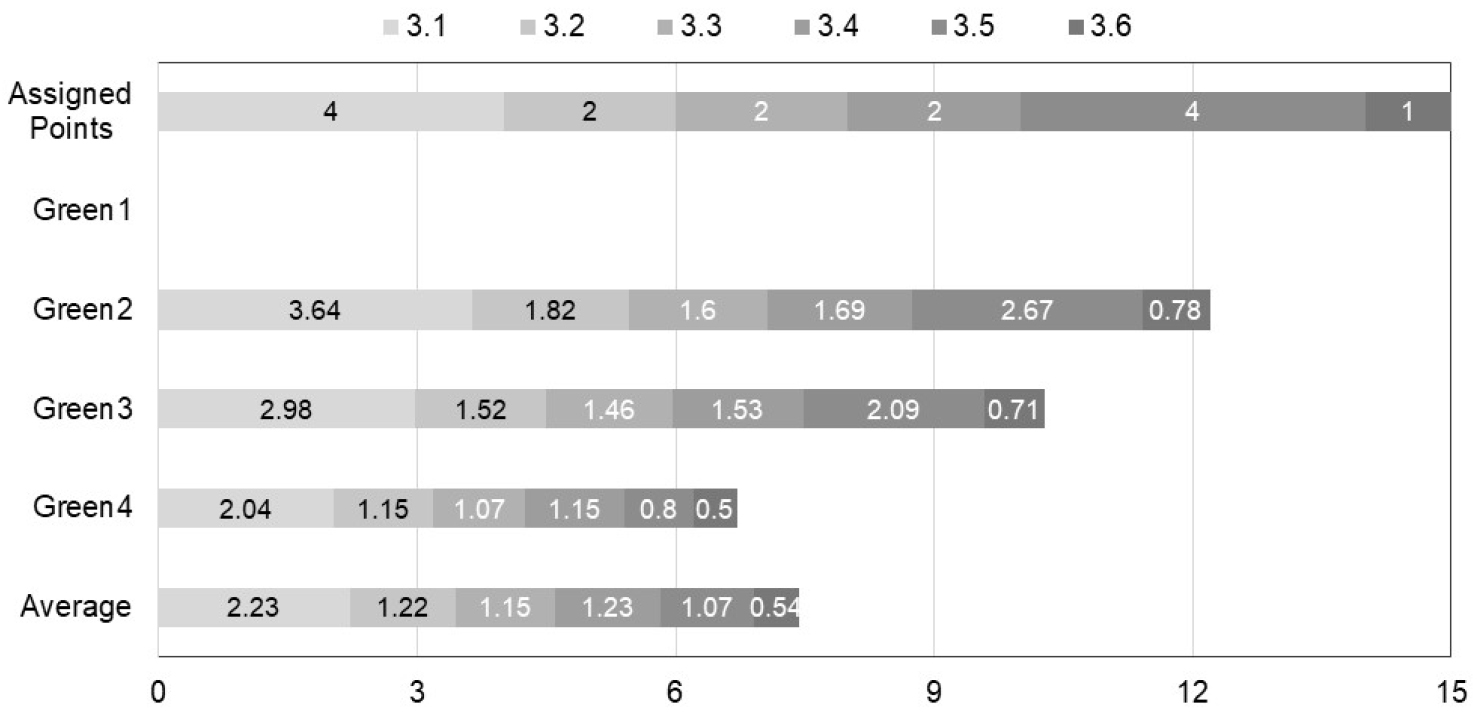
In particular, Green Grade 1shows achievement rates of 80–90% in all items except Item 3.5, demonstrating balanced performance with little variation between items (Figure 6). In contrast, Green Grade 4 shows a sharp drop in achievement for Item 3.5, with an achievement rate of 20.1%, indicating that this item becomes relatively difficult at lower certification grades.
These results suggest that higher-grade educational buildings tend to manage all MR items evenly, while lower-grade buildings show greater variation and tend to underperform in certain items.
Commercial Buildings
The MR category for commercial buildings also includes six certification items, with Item 3.6mandatory and the other five optional.
In this category, Item 3.5 (Application ratio of green building materials), which carries four points, shows a clear proportional relationship between certification grade and points achieved, with distinct score differences between grades. This indicates strong discrimination and its function as a key item for achieving higher certification grades (Table 8).
Table 8.
Average achieved points by MR items and grades in Commercial buildings
However, this item also has a zero-score rate of 33.3%, indicating that difficulty adjustment may be needed to enhance its effectiveness as an evaluation criterion (Figure 7).
For Items 3.1–3.4, score reversals between certification grades are observed, indicating somewhat limited discrimination. However, since the zero-score rate is 0% and the grade distribution from 1 to 4 is stable, the difficulty level of these items is considered appropriate (Figure 8).
The mandatory Item 3.6shows a polarized distribution, with 54.2% achieving Grade 1 and 45.8% achieving Grade 4, and no cases in Grades 2 or 3. This suggests the need to improve the evaluation approach to enhance its effectiveness as a mandatory item.
Accommodation
The MR category for Accommodation also consists of six items, with Item 3.6mandatory and the other five optional.
Analysis of score achievement trends shows that average scores increase consistently with higher certification grades for all items (Table 9, Figure 9), and the score gaps between grades are relatively even. This indicates that, overall, the MR category for hospitality buildings is designed with appropriate discrimination and difficulty.
Table 9.
Average achieved points by MR items and grades in Accommodation
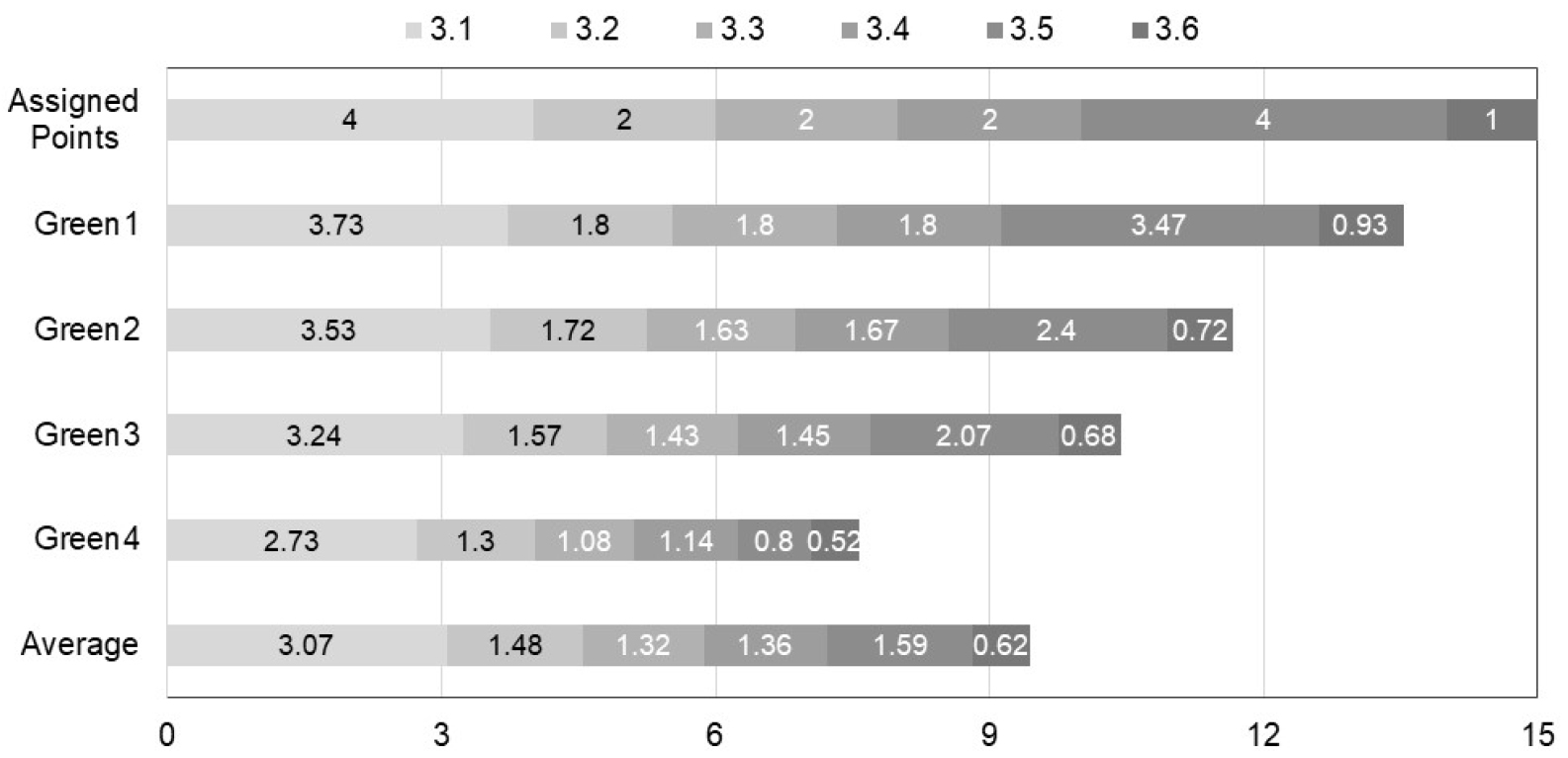
In particular, Green Grade 1shows achievement rates of around 90% for all items, with minimal variation between items, indicating balanced performance. In contrast, Green Grade 4 shows a sharp decline in Item 3.5, with an achievement rate of 20%, suggesting that this item is relatively weak at lower grades.
These results indicate that higher-grade hospitality buildings tend to manage all MR items evenly, whereas lower-grade buildings show greater variation and underperformance in certain items.
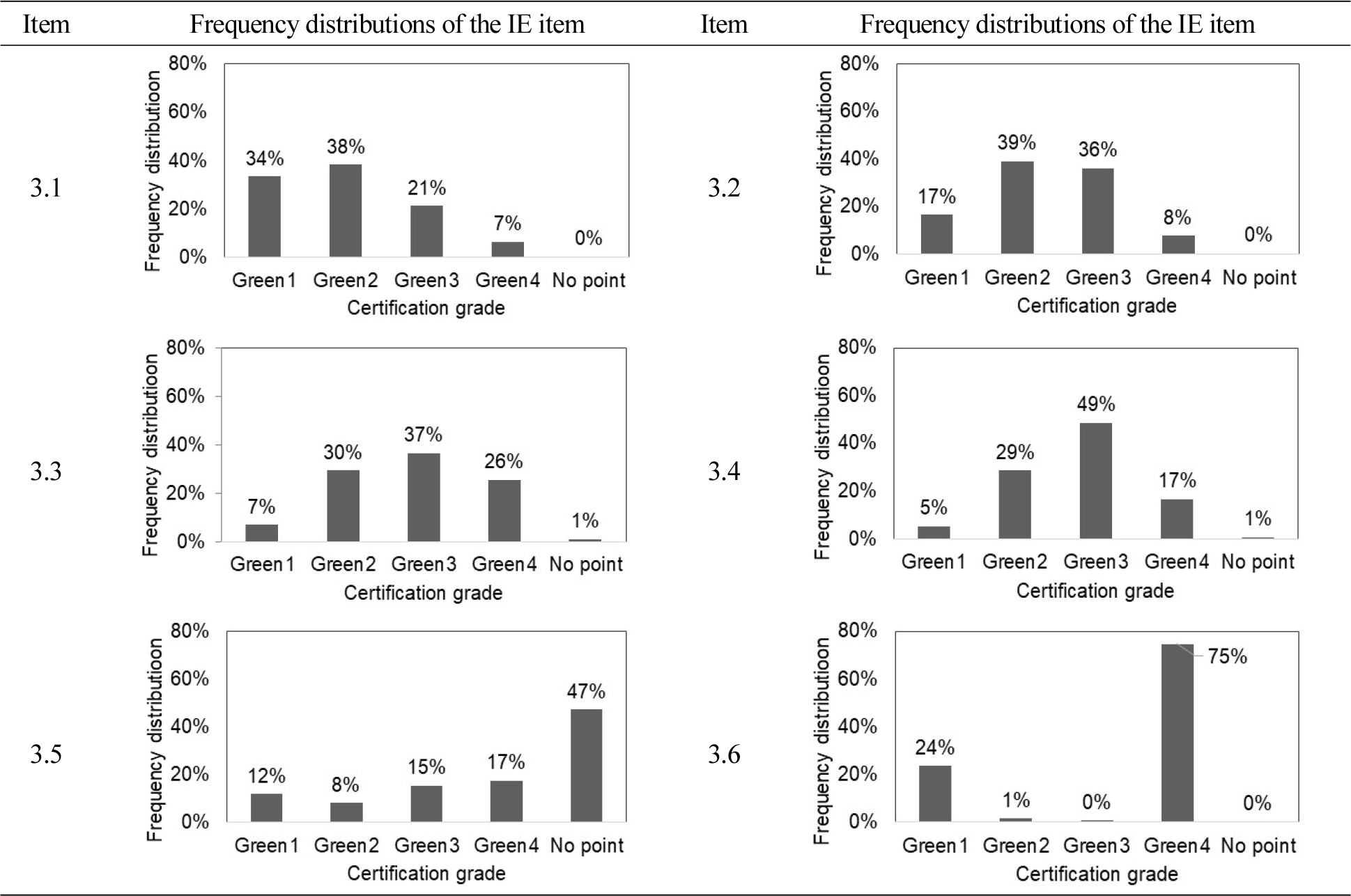
Examining the grade distribution by item (Figure 10), the zero-score rate is close to 0% for all items except Item 3.5, and the distribution across Grades 1–4 is relatively even, indicating that most items have an appropriate level of effectiveness and difficulty.
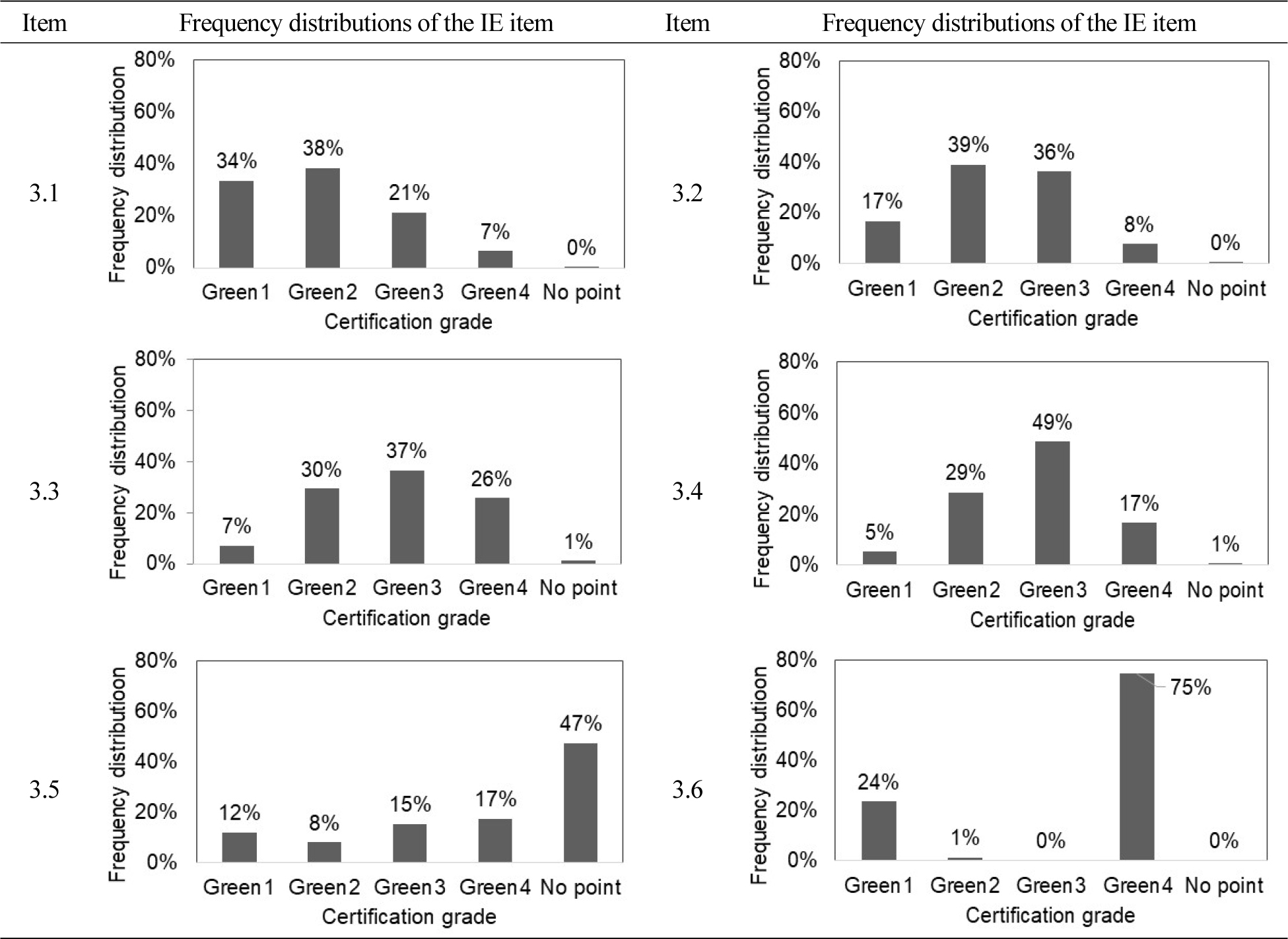
However, Item 3.5has a zero-score rate of 39.6%, suggesting the need for improvement in its evaluation criteria. The mandatory Item 3.6also shows a polarized distribution, with scores concentrated in Grade 1 (30.9%) and Grade 4 (57.6%), indicating that its evaluation method and difficulty level may need to be reconsidered.
Discussions and limitations
Discrimination Power of MR Credits
Across all building types, higher certification grades were consistently associated with higher MR scores, indicating that the MR category functions as a meaningful contributor to overall certification performance. This suggests that MR credits actively influence material selection and resource-related decision-making rather than serving as formal or symbolic requirements.
However, clear differences in discrimination power were observed among individual MR items. Item 3.5 (application ratio of green building materials) showed strong differentiation between certification grades, but also exhibited high zero-score rates (approximately 30–45%), particularly in lower-grade buildings. This indicates that, while the item effectively distinguishes high-performing projects, its current threshold may be too demanding for broader applicability.
In contrast, Items 3.1–3.4 (EPD use, low-carbon materials, recycled materials, and low-hazard materials) showed stable score distributions with low zero-score rates. These items appear to function as baseline environmental practices, reflecting the increasing standardization of certified materials in the construction market. However, their relatively limited differentiation between middle certification grades suggests that their scoring structure may require refinement to enhance performance incentives.
A notable limitation was observed in Item 3.6 (installation of storage facilities for recyclable resources), the only mandatory MR credit. This item exhibited strong polarization, with most projects receiving either the highest or lowest score and very few achieving intermediate levels. This pattern suggests that the current evaluation approach may function as a checklist-based compliance mechanism rather than a performance-oriented indicator.
Differences by Building Type
Differences in MR credit performance were observed across building types. Educational and hospitality buildings showed relatively balanced discrimination across MR items, indicating that the current evaluation framework functions effectively for these uses.
In contrast, office and commercial buildings exhibited weaker differentiation among middle certification grades and occasional inconsistencies in score distribution. This suggests that the application and effectiveness of MR credits may vary depending on building function and complexity.
These findings indicate that a more differentiated or use-specific evaluation approach may be beneficial to improve the consistency and effectiveness of MR credit application across diverse building types.
Policy Implications
From a broader perspective, the findings reflect the transitional nature of green building material policies. Credits related to product certification (EPD, recycled materials, and low-hazard materials) are becoming standardized practices, while credits requiring quantitative material proportion changes ( Item 3.5) remain more challenging and unevenly adopted.
First, there is a need to restructure MR credit categories to achieve a better balance between high- impact and widely applicable credits. Introducing stepwise thresholds or gradual scoring mechanisms could enhance accessibility while maintaining performance incentives.
Second, the role of Environmental Product Declaration (EPD)-based evaluation should be expanded. Given its widespread adoption, strengthening its evaluation framework could promote greater transparency and standardization in material environmental performance.
Third, stronger linkage between MR credits and embodied carbon assessment is required. Integrating Life Cycle Assessment (LCA)-based indicators into the certification system would enable a shift from documentation-based evaluation toward performance- based assessment aligned with global carbon neutrality goals.
Overall, while the MR category demonstrates alignment with global trends in embodied carbon and resource circulation, improvements in difficulty calibration, discrimination balance, and evaluation granularity are necessary to enhance its effectiveness.
Limitations
Despite its contributions, this study has several limitations.
First, the analysis is based on preliminary certification data, which reflect design-stage intentions rather than verified post-construction performance. Therefore, discrepancies may exist between planned and actual material applications.
Second, this study analyzed score acquisition patterns but did not directly link them to quantitative environmental performance indicators, such as material quantities or embodied carbon emissions. As a result, the extent to which MR score attainment reflects actual carbon reduction performance could not be fully validated.
Third, project-specific factors—such as project size, ownership type, regional characteristics, and design team expertise—were not considered, although these may influence material selection and certification strategies.
Fourth, some building types, particularly commercial and hospitality buildings, had relatively small sample sizes, which may limit the statistical reliability of the findings.
Finally, this study focused solely on the G-SEED system and did not include comparative analysis with international certification systems, limiting the generalizability of the results.
Future research should incorporate final certification data, integrate LCA-based environmental performance indicators, and explore project-level decision- making processes to better understand the relationship between certification criteria and actual environmental outcomes.
Conclusions
This study quantitatively analyzed long-term trends in score acquisition for the Materials and Resources (MR) category of G-SEED among 5,884 newly constructed non-residential buildings certified between 2017 and 2024. The main conclusions are as follows.
First, the MR category plays a substantive role in differentiating certification grades, as higher-grade buildings consistently achieved higher MR scores across all building types. This confirms that material- related criteria are actively contributing to overall environmental performance within the G-SEED framework.
Second, MR credits exhibit uneven discrimination power. Credits such as the application ratio of green building materials (Item 3.5) strongly influence certification grade differentiation but show high zero-score rates, indicating excessive difficulty for lower- performing projects. Conversely, credits related to EPD use, recycled materials, low-carbon materials, and low-hazard materials show stable and widespread adoption but limited grade differentiation. This suggests a structural imbalance between high-impact but difficult credits and widely adopted but weakly discriminating ones.
Third, the mandatory credit concerning recyclable resource storage facilities (Item 3.6) shows pronounced score polarization, indicating that its current evaluation method does not effectively capture performance differences. As a result, its role as a mandatory driver of resource circulation performance is limited.
Fourth, variations among building types indicate that the effectiveness of MR credits depends partly on building function, with more consistent performance observed in educational and hospitality buildings than in office and commercial facilities. This highlights the need for more use-sensitive evaluation frameworks.
Based on these findings, this study suggests that future revisions of the G-SEED MR category should focus on:
Adjusting the difficulty and thresholdsof high-impact credits to encourage broader participation
Enhancing score discriminationfor widely adopted baseline credits
Improving evaluation granularityfor mandatory credits
Considering building-type-specific application strategies
Academically, this research contributes empirical evidence on how green building material credits function in practice over time, addressing a gap in long-term, category-wide analyses of green building certification systems. Practically, the results provide data-driven insights that can support the refinement of G-SEED toward a more performance-oriented and policy-aligned materials assessment framework.
Finally, this study is limited to preliminary certification data and quantitative score analysis. Future research should incorporate final certification results, investigate actual material quantities and embodied carbon outcomes, and explore project-level decision- making processes to better understand the causal relationships between certification criteria and material sustainability performance.

