


Introduction
Research Methodology and Scope
Theoretical Consideration
Current Status and Limitations of the Private Expert System
The Concept and Role of the Master Architect (MA)
Comparative Systems Related to Master Architects in International Contexts
Distinctiveness of the Present Study
Comparative Case Study
Educational Facility Complex in Sejong City’s District 5-1
Siemens Campus in Erlangen, Germany
Discussion
Conclusions
Introduction
Today, urban development policy is undergoing a paradigm shift from function-oriented physical expansion toward the creation of sustainable and people-centered cities that are both livable and attractive. This shift is not merely about changing how cities are physically built; it fundamentally reframes the question toward how cities should be designed. According to the OECD (2020), improving the qualitative aspects of urban environments has a decisive impact on urban competitiveness. It emphasizes that the physical conditions of cities are closely tied to quality of life, economic productivity, and social cohesion [1]. In this context, achieving success in urban development requires moving beyond quantitative targets traditionally emphasized in planning, and instead calls for qualitative improvements in both the tangible and intangible dimensions of urban space.
Following the COVID-19 pandemic, the World Health Organization (2021) highlighted the health and safety of public open spaces as a critical issue in urban spatial planning [2]. These spaces are no longer seen as mere aggregations of infrastructure but as environments that influence human daily life, psychological well-being, and the resilience of communities. In response, there is a growing need to establish more coherent and professionalized planning systems that integrate urban design and architecture across all phases of city- making.
Internationally, countries such as Germany, the Netherlands, and Sweden have adopted “responsible architect” systems to ensure integrated design in master planning, urban regeneration, and block-level development. These systems institutionally support both citizen participation and interdisciplinary collaboration during the planning process. In South Korea, a comparable system was introduced through the Framework Act on the Architecture Culture in 2007 and the Public Sector Architectural Design Guidelines in 2019, enabling the involvement of private-sector experts in public projects.
Representative roles within this system include municipal-appointed professionals such as the Master Architect and Public Architect, each with differing scopes of authority and responsibilities. In most cases, these experts primarily serve advisory roles in the development of public buildings and urban spaces, with limited involvement in integrated planning or project implementation. As noted by Baek et al. (2024), their authority often does not extend to comprehensive urban or architectural decision-making processes [3]. However, Sejong City’s implementation of the “MA (Master Architect)” system represents a noteworthy case. It allows private experts to participate from the earliest stages of urban and district-scale master planning. These experts contribute not only to the physical configuration of the city but also engage in key downstream processes, such as assisting in the statutory district unit planning and drafting design competition guidelines. This ensures that the original vision articulated in the master plan is reflected in actual development outcomes.
Against this backdrop, the objective of this study is to explore how the role of private-sector professionals can be expanded beyond limited advisory functions to full engagement in integrated urban-architectural design processes. By comparing the Educational Facility Complex project in Sejong City with the Siemens Campus development in Erlangen, Germany, this study examines practical differences in how the Master Architect system is implemented—focusing on institutional structure, legal authority, stakeholder participation, and the incorporation of master plans into statutory frameworks. Through this comparative analysis, the study aims to propose concrete institutional reforms that can enhance design professionalism and governance capacity in urban development in South Korea.
Research Methodology and Scope
This study adopts a qualitative comparative case study methodology, primarily grounded in literature review. The initial phase involves a theoretical investigation into previous research on the institutional structures and operational mechanisms of private- sector expert systems in both domestic and international contexts. Through this synthesis, the study identifies current practices, challenges, and limitations regarding the integration of private professionals in the field of spatial planning. Furthermore, the research conducts a structural analysis of the legal and procedural frameworks that support the role of the Master Architect in Germany, focusing on key documents such as the Federal Building Code (BauGB, 1998), the Guidelines for Architectural Design Competitions (RPW, 2013), and the Official Fee Scale for Architects and Engineers (HOAI, 2021). For the empirical component, two comparative case studies were selected: the Educational Facility Complex in Sejong City’s District 5-1 in South Korea, and the Siemens Campus in Erlangen, Germany. The spatial scope of analysis covers 8.2 hectares for the Sejong complex and 12 hectares for Phase 1 of the Siemens Campus. The temporal scope spans the master planning and implementation phases for each case—2021 to 2025 for Sejong, and 2015 to 2024 for Siemens.
The Sejong case represents a master planning project implemented under Korea’s Master Architect (MA) system between 2021 and 2022, with architectural design competitions for individual facilities currently underway as of 20251). This case offers valuable insights into the planning processes and content developed through the MA system, serving as a basis for evaluating both the potential and limitations of the domestic expert-involvement framework. In contrast, the Siemens Campus is a phased urban redevelopment initiative launched through an international design competition in 2015 on a former industrial site2). As of 2025, several development phases have been completed, with others progressing sequentially. The German case provides a detailed reference point for understanding how lead architects—functionally equivalent to Korea’s MA—are selected and empowered within the urban and architectural planning system. Through the comparative analysis of these two cases, the study aims to derive implications regarding the legal legitimacy and institutional effectiveness of master plans developed under the guidance of a Master Architect. Specifically, it seeks to explore how legal mandates and procedural mechanisms can be structured to ensure the enforceability and continuity of integrated urban design proposals. The structure and flow of the study are shown in Table 1.
Table 1.
Structure and Flow of the Study
Theoretical Consideration
Current Status and Limitations of the Private Expert System
Since the enactment of the Framework Act on the Architecture Culture in 2007, various efforts have been made in South Korea to institutionalize the participation of private-sector experts in public architectural design. A significant step was taken in 2019 when the Ministry of Land, Infrastructure and Transport introduced the Guidelines for Architectural Design in the Public Sector, which formally defined roles such as the Master Architect and Public Architect with the aim of enhancing the qualitative standards of public-sector design. However, in practice, the implementation of these systems has varied widely across local governments, and concerns persist regarding the limited effectiveness and consistency of their application.
Shin et al. (2020) observed that while the legal framework for private expert involvement in architecture and urban planning exists, the scope of roles, compensation structures, and delegation of authority remain ambiguous and inconsistently applied across institutions [4]. Similarly, Yuk et al. (2022) emphasized the need for clearly defined responsibilities, compensation systems, and delineated authority for private experts to ensure the efficient operation of public design projects [5]. Park et al. (2022), in their analysis of the landscape architecture expert system, highlighted that although local governments appoint private experts, they often function merely as advisory committee members and exert minimal influence during the early stages of policy formation [6].
These findings point to a fundamental limitation in the Korean private expert system, which tends to confine experts to passive advisory roles. As a result, proposals made by private-sector professionals frequently lack the legal standing to influence formal planning decisions. Furthermore, since the introduction of the system is relatively recent, there remains insufficient societal consensus and empirical validation to justify granting private experts significant authority and responsibility within the domain of public governance. This indicates a structural and institutional gap that hinders the full integration of professional expertise into statutory planning processes.
The Concept and Role of the Master Architect (MA)
The Master Architect (MA) is generally recognized as a private-sector expert who plays an integrative and coordinating role in the design of architecture and urban space within citywide or large-scale development projects. Unlike conventional architects who are limited to individual building design, the MA is involved across multiple levels of planning—ranging from the formulation of master plans and the development of design guidelines, to inter-agency coordination, facilitation of citizen participation, and oversight of implementation processes. In South Korea, however, the terminology surrounding this role—such as Master Architect (MA), Master Planner (MP), and General Coordinator—is inconsistently applied across local governments. This has resulted in ambiguity regarding the scope of authority, hierarchical standing, and specific responsibilities of the role within the institutional framework.
Lee et al. (2021), examining the case of a specialized mixed-use district in Sejong City’s 6-3 living zone, noted that although the MA was involved in planning and coordination for the urban design competition and district unit plan, they lacked decision- making authority [7]. Consequently, their contributions could be overridden or nullified by administrative decisions. This highlights the reality that the MA in the Korean context often functions more as an advisor or proposer, rather than as a legitimate decision-maker in the planning process. Similarly, Lee et al. (2013) identified several systemic issues with the design coordination structure led by the MA, including role ambiguity, restricted authority and responsibility, inadequate design management systems, and fragmented public design practices. The authors called for the activation of a more robust coordination framework and the revision of relevant regulations to address these shortcomings [8]. Further foundational studies in this field include Park (2002), who conducted a comparative analysis on the application of the master architect model in residential complex design processes [9], and Kim et al. (2005), who examined the role of MAs in site planning from a design governance perspective [10]. Collectively, these studies reinforce the observation that while the MA can contribute to achieving spatial coherence in public projects, their ability to influence final outcomes or implementation remains structurally limited.
In light of these limitations, there is a growing need to examine international models of the Master Architect system in order to identify institutional practices that could inform improvements to the Korean system. By doing so, this study aims to extract applicable lessons that could elevate the MA’s role from a consultative figure to a more empowered actor in public urban development projects.
Comparative Systems Related to Master Architects in International Contexts
In many European countries, urban and architectural design is regarded not merely as a matter of physical spatial planning but as a strategic field encompassing public value, cultural expression, and environmental sustainability. Accordingly, institutionalized systems equivalent to the Master Architect (MA) framework have been implemented to ensure expert-led planning and design governance. Countries such as Germany, the Netherlands, and France have not only established legal frameworks to support these roles but have also embedded them into execution systems, granting private-sector experts substantive authority over urban design processes. This marks a clear distinction from the Korean model, in which the MA often assumes a limited advisory capacity.
In Germany, spatial planning is governed by the Federal Building Code (Baugesetzbuch, 1998), the highest legal authority in the field. Under this law, statutory planning instruments such as the land use plan (Flächennutzungsplan, F-Plan) and the legally binding zoning plan (Bebauungsplan, B-Plan) are implemented3)[11]. Between these stages, “non-statutory” plans—flexible, intermediary tools—are widely utilized to guide urban design, enabling a more iterative and context-sensitive planning process (Baek, 2024) [12]. Among these tools, architectural and urban design competitions play a central role and are regulated under the Guidelines for Planning Competitions (Richtlinien für Planungswettbewerbe, RPW 2013). Designs selected through these competitions serve as the foundation for formal zoning plans and thereby acquire legal validity. Architects who are awarded through such competitions serve not only as designers but also as project coordinators and strategic planners. They engage in multidisciplinary collaboration—working with experts in transportation, landscape, and sustainability—and play a leading role in organizing public workshops, hearings, and exhibitions (Baek, 2024) [12]. Once the design plan is finalized, compensation is provided based on the Official Scale of Fees for Architects and Engineers (HOAI, 2020), which stipulates clear responsibilities and remuneration for each design phase and discipline, thereby securing professional accountability and design quality [13].
In the Netherlands, a long-standing tradition of integrated urban-architectural design has fostered creative and coherent development at both the city and building scale. These efforts are supported at the national level, while municipalities actively compete to enhance spatial quality. Institutionalized roles such as the Stadsontwerper (Urban Designer) and Chief Architect of the City are deeply involved in strategic urban development and long-term planning to maintain spatial identity and quality. Amsterdam, for example, operates a decision-making framework known as PLABERUM, which replaces conventional planning processes with a communication tool that facilitates dialogue among diverse stakeholders. This model balances public-sector demands for design consistency with the private sector’s need for flexibility (Lee, 2022) [14]. Rotterdam, since 2010, has mandated integrated design reviews (WESTLAND) for all large-scale development projects. These reviews include expert panels composed of urban designers, architects, historians, and citizen representatives (Gemeente Rotterdam, 2018) [15]. Their role extends beyond advisory functions: they formalize public design principles as policy and possess both recommendation and veto authority. These experts serve as mediators between public policy and private development, treating architecture and urban design not simply as aesthetic decisions but as ethical, ecological, and cultural imperatives.
In France, the quality of urban space is considered an essential component of the public good. Institutions such as the Conseils d’Architecture, d’Urbanisme et de l’Environnement (CAUE) have been established to support architectural and urban quality through a public-service approach. French urban design is a shared responsibility between private licensed architects and public authorities. The 1977 Architecture Act emphasizes the public value of architecture and frames it as a cultural expression. While France does not maintain a distinct title equivalent to Korea’s “public architect,” licensed architects serve as state-certified professionals responsible for ensuring safety and advancing the public interest through planning, design, and construction supervision of public projects (Lim, 2017) [16]. In addition, French local governments are legally required to consult with urban architects for development projects exceeding a certain scale and to submit designs for review by the Commission des Sites (Kang, 2008) [17]. Major cities such as Paris and Lyon operate under the Architecte Conseil system, in which experts lead or guide planning from the preliminary stage through to design development. These professionals act as both advisors and planners, helping coordinate development proposals in light of historical and contextual factors. In many cases, they are formally designated in municipal policy documents as key actors in shaping the urban environment.
Distinctiveness of the Present Study
As previously discussed, Germany has established a robust legal and institutional foundation for the engagement of private-sector experts in urban development. Within this framework, designated lead architects are granted authority to systematically guide the planning process. In the Netherlands, private professionals are actively involved in public design policy through defined responsibilities and powers, supported by formal systems such as the Chief Architect of the City. France, meanwhile, employs institutional mechanisms such as the Architectural Councils (CAUE) and Commission des Sites to guide and regulate urban planning and design in collaboration with licensed architects.
What distinguishes these European models is their treatment of private-sector experts not merely as external advisors or contributors to plan drafting, but as core actors within the urban development process. These professionals are endowed with substantive authority over project planning, institutional governance, administrative negotiation, and implementation mechanisms. Their roles are structurally embedded within public planning systems, thereby enhancing both the professional rigor and institutional legitimacy of design interventions. In contrast, the Master Architect system in South Korea remains predominantly advisory in nature, with limited legal standing or decision-making authority. This comparative observation underscores the institutional limitations currently faced by Korean urban design governance. By highlighting the contrast between European and Korean models, this study contributes original insight into how the roles and responsibilities of design professionals can be expanded in Korea. In doing so, it suggests pathways for strengthening expertise, accountability, and execution capacity within the domestic urban architecture framework.
Comparative Case Study
To analyze how the Master Architect (MA) system is implemented during urban-architectural development and to assess its limitations and potential, this study conducts a comparative case analysis of two projects: the Educational Facility Complex in Sejong City’s District 5-1 in South Korea and the Siemens Campus in Erlangen, Germany as shown in Table 2.. These two cases represent the application of Korea’s MA system and Germany’s lead architect selection mechanism, respectively, and provide contrasting frameworks for examining urban architectural master planning. They offer a valuable basis for comparative research on the roles and authority of private experts, the institutional foundations of planning systems, project implementation capacity, and methods of public participation throughout the entire development process.
Table 2.
Overview of the Sejong and Siemens Campus Cases

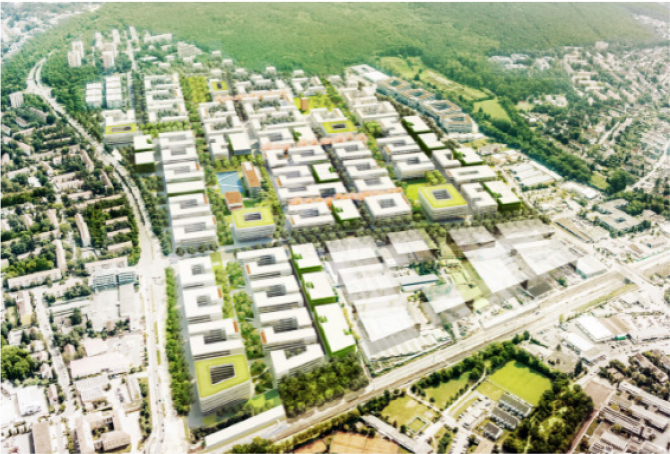
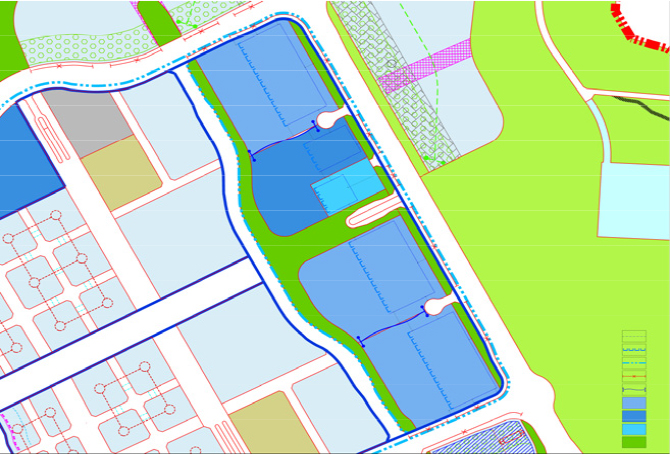
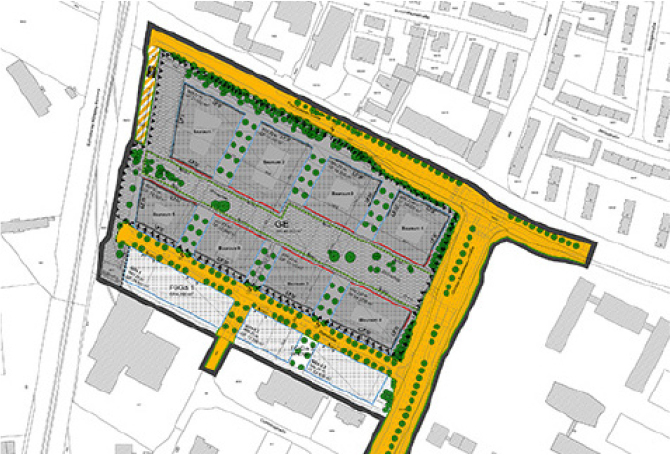

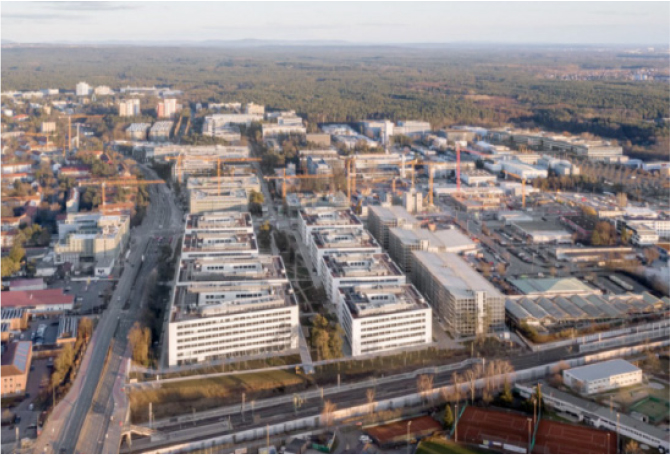
Through this comparative analysis, the study aims to identify structural differences in planning systems and, more importantly, to explore how Korea’s MA system can be improved to ensure both public interest and professional expertise in urban design. The ultimate objective is to propose a more systematic and balanced model that integrates these two values. Importantly, the scope of this research extends beyond a surface-level comparison of international practices. It seeks to critically examine the feasibility of adopting the MA system more broadly within Korea’s urban architectural domain. This includes addressing the legal and administrative challenges necessary for institutionalizing the system, and proposing governance frameworks that facilitate cooperation between professionals and citizens. In doing so, the study aspires to contribute to the alignment, legitimacy, and long-term sustainability of spatial planning policies that span both urban planning and architectural domains.
Educational Facility Complex in Sejong City’s District 5-1
The Educational Facility Complex in Sejong City’s District 5-1 represents a pilot case in Korea where the Master Architect (MA) system has been applied at the scale of integrated urban-architectural planning. The site includes a range of educational, cultural, and public facilities—including kindergartens, elementary and high schools, a science and culture center, and a neighborhood park—within a unified master plan. The district was designated as a specialized zone focused on educational functions, and the project demonstrates the potential of the MA model to serve as a comprehensive framework integrating district-unit planning with architectural and urban design management.
Rather than employing a design competition, the MA was selected through an open call for professional experts. However, the selection process was conducted through a non-transparent, closed evaluation based on brief resumes and conceptual proposals, revealing procedural limitations in fairness and public accountability. During the planning process, the MA engaged in ongoing consultations with key institutional stakeholders, including the Sejong City Government, the Ministry of Land and Housing (LH Corporation), the Sejong City Office of Education, and the Multifunctional Administrative City Construction Agency (MACCA). Formal feedback was also provided through both in-person and written consultations via the city’s master advisory committee. Nevertheless, there was no official mechanism for public participation—no public hearings or community forums were held—resulting in a limited social consensus underlying the plan.
The MA was responsible not only for developing the comprehensive development strategy for the entire site but also for formulating urban-architectural guidelines for each plot. These served as the basis for subsequent district-unit planning and implementation protocols. The resulting master plan went beyond mere spatial arrangement of buildings; it emphasized integrated design across urban form, architecture, and public space. Notably, exterior spaces across educational facilities were linked into a linear central green axis, organized as a neighborhood park, which was further extended into the urban park system to ensure walkability and a continuous open space structure within the district. Additionally, the MA produced basic architectural schemes for the elementary, middle, and high schools, as well as the science center and kindergarten. These designs departed from conventional school typologies by incorporating flexible classroom layouts and community-shared spaces, proposing a future-oriented educational environment.
While some elements of the MA’s master plan were reflected in the project’s implementation guidelines, the absence of institutional mechanisms to preserve design consistency during subsequent phases—such as architectural competitions or detailed design development— revealed structural limitations. Although the implementation guidelines addressed specifics such as building setback lines, minimum plot boundary adjustments, and strategies for integrating open spaces, these remain advisory rather than legally binding. As a result, the enforceability of the MA’s proposals is limited, raising concerns about the risk of design intentions not being realized in the built environment. This underscores a fundamental structural issue in ensuring continuity and fidelity from master planning to execution within the current Korean system. The key information of the Sejong Educational Complex are summarized in Table 3.
Table 3.
Key Information – Sejong Educational Sejong Educational Complex
Siemens Campus in Erlangen, Germany
The Siemens Campus in Erlangen is a strategic urban regeneration project aimed at transforming a former industrial site into an open, research-oriented innovation district. Characterized by its integrated master plan, the project unites disciplines such as urban design, architecture, landscape architecture, energy planning, and community development. In 2015, Siemens AG and the City of Erlangen launched an international design competition, inviting 20 prequalified teams composed of certified architects and urban planners. The selection of the lead architect was conducted through a transparent and participatory process involving 28 jurors from various disciplines, supported by public presentations, open forums, and professional reviews.
The competition was won by KSP Jürgen Engel Architekten, who were subsequently appointed as the lead architect responsible for the comprehensive urban and architectural design of the site. Following the competition, the winning team collaborated with a planning firm to translate the master plan into a legally binding zoning plan (Bebauungsplan), which served as the statutory foundation for implementation. The first phase of construction began in 2018, and as of now, the second phase has been completed, with further phases progressing sequentially.
The lead architect’s role extended far beyond the design of individual buildings. As the principal coordinator of the entire project, the architect was responsible for the formulation of phased development strategies, zoning-based spatial regulations for both architecture and public spaces, and broader plans concerning mobility and environmental sustainability. Endorsed by both Siemens AG and the City of Erlangen, the lead architect was granted authoritative control and decision-making power throughout each stage of the planning and implementation process.
To ensure transparency and public legitimacy, the Siemens Campus incorporated citizen participation from the earliest stages. Through public hearings, exhibitions, and online feedback platforms, residents were actively encouraged to contribute ideas and critiques, which directly influenced the evolution of the master plan. This inclusive approach significantly enhanced the social acceptance, feasibility, and long-term sustainability of the development.
The master plan proposed transforming the site’s main vehicular axis into a pedestrian-oriented green corridor and aimed to achieve carbon neutrality by integrating 100% renewable energy sources. The implementation of the plan was structured into flexible development clusters, allowing adaptability to future socioeconomic changes. Furthermore, the detailed sectoral strategies embedded in the master plan—ranging from building typologies to ecological preservation—were codified into law based on the German Federal Building Code (BauGB), granting the design legal enforceability.
Thus, in the German context, the master plan is not merely a conceptual vision but a binding urban- architectural framework. It establishes mandatory design guidelines that regulate land use, architecture, and public space, ensuring consistency and continuity throughout the project. The Siemens Campus serves as a model case in which the lead architect’s master plan achieved full legal authority, embodying a highly coordinated and enforceable approach to integrated urban design and planning. The key information of the Siemens Campus, Erlangen are summarized in Table 4.
Table 4.
Key Information – Siemens Campus, Erlangen
Discussion
The two case studies examined above—Sejong’s Educational Facility Complex and the Siemens Campus in Erlangen—reveal notable differences in both expert selection procedures and institutional implementation mechanisms. In South Korea, the appointment of Master Architects (MA) is typically conducted through non-transparent, closed selection processes led by administrative bodies. As a result, the legitimacy, competitiveness, and institutional authority of such experts are often limited. While the Sejong case represents a rare instance where MA were involved directly in developing the master plan, deficiencies remain in qualification standards, selection methods, and institutional safeguards to support their role. Although the MA exercised some influence on the planning framework, the absence of legally binding authority severely constrained its implementation capacity. In contrast, Germany utilizes open design competitions to select lead architects, in accordance with the RPW 2013 guidelines, which provide a legal and procedural foundation for clearly defined roles and responsibilities [18]. Only certified architects or urban planners are eligible, and compensation is determined based on the HOAI (Official Scale of Fees for Services by Architects and Engineers), thus ensuring professional credibility and accountability throughout the project lifecycle.
Participation structures also differ substantially. In Sejong, the planning process was driven primarily by private experts and government agencies, with virtually no public engagement. The lack of citizen involvement undermines social consensus and makes it difficult to build local support for the design proposals. Conversely, the Siemens Campus project institutionalized public participation from the competition stage onward. Through presentations, public exhibitions, and digital platforms, residents had consistent opportunities to provide feedback, which was directly reflected in the evolving plans. As seen not only in Germany but in other European countries, inclusive governance that integrates diverse societal voices contributes significantly to the acceptability and resilience of urban design.
The two cases also diverge in terms of how the master plan is translated into actionable frameworks. In Korea, the MA’s plan may be partially incorporated into a district-unit plan, but often remains at the level of “implementation guidelines,” lacking formal legal status. Consequently, design intentions may be diluted or altered during architectural competitions or detailed design stages. In contrast, Germany treats the master plan as a blueprint for statutory planning. It is directly converted into a Bebauungsplan (legally binding land-use plan) under the BauGB, thereby ensuring regulatory enforcement and alignment between the master plan and actual development.
To address these structural gaps, the institutional role of the MA in Korea must be reconsidered and reinforced. Three key insights emerge from this comparative analysis. First, the procedural and participatory integrity of the planning process must be strengthened. The Siemens Campus exemplifies a tripartite governance structure—citizens contribute feedback, experts mediate design, and government institutions adopt and implement the resulting plans. In contrast, the Sejong case remains largely technocratic and closed, limiting public trust and collective ownership. Second, the legal status and scope of the MA must be redefined. In Germany, the lead architect functions not only as the master planner but also as a strategic coordinator throughout the design and implementation stages, backed by legal authority. In Korea, the MA’s influence is typically confined to initial conceptualization, with diminishing relevance in subsequent phases. Third, robust legal mechanisms must be established to ensure the enforceability of the master plan. While in Korea, MA proposals are often reduced to advisory references, in Germany, the legal integration of the master plan into statutory zoning ensures both coherence and enforceability.
Together, these findings highlight the need to reframe the role of expert professionals within Korea’s urban planning system—expanding beyond mere advisory roles to ensure meaningful participation, institutional legitimacy, and effective delivery of integrated urban-architectural outcomes. The implications derived from the comprehensive analysis of the cases are summarized in Table 5.
Table 5.
Comparative Analysis and Key Implications: Korea vs. Germany
Conclusions
This study investigates the institutional potential of expanding the Master Architect (MA) system beyond the building scale to encompass integrated urban- architectural design processes in Korea. Focusing on the case of the Sejong Educational Complex in South Korea and the Siemens Campus in Erlangen, Germany, the research offers a comparative analysis of expert selection mechanisms, the structure of stakeholder engagement, and the legal-institutional linkages that ensure the implementation of master plans.
Findings reveal that the MA system in Korea, while partially successful in granting experts the authority to draft preliminary master plans and coordinate stakeholders during early planning stages, remains significantly constrained during the implementation phase. Its advisory-centered role, limited legal authority, lack of statutory integration, and absence of public participation reduce the overall effectiveness of the system. Master plans developed under the MA system often fail to transition into legally binding statutory plans or, when incorporated, lack sufficient enforceability—making them vulnerable to alteration or dilution in later project phases. Conversely, the German model emphasizes transparency, legal integration, and public legitimacy. Through an open and competitive design competition, qualified professionals such as licensed architects or urban planners are selected as “Responsible Architects.” These professionals are legally empowered to manage the entire project cycle—from master planning and public engagement to detailed design and coordination with administrative bodies. Once established, the master plan is institutionalized through statutory instruments such as the Bebauungsplan under the Federal Building Code (BauGB), thereby ensuring legal enforceability and preserving design continuity. Additionally, public opinion is actively integrated through participatory mechanisms, including public hearings, online feedback platforms, and community exhibitions, enhancing the master plan’s social acceptability and sustainability.
To improve the consistency, effectiveness, and public value of urban development, the MA system in Korea must evolve from a passive advisory role into an active institutional mediator that bridges policy-making, urban planning, design, and implementation. Based on the comparative analysis, this study proposes the following institutional recommendations. First, the legal status and scope of responsibilities for MA must be formally defined and institutionalized. Currently, the MA’s authority is vaguely described and largely dependent on the discretion of commissioning agencies. A more structured framework is needed to guarantee the MA’s participation not only in conceptual planning but also in architectural competitions, detailed design reviews, and implementation monitoring. Second, transparency and fairness in the MA selection process must be improved. Non-public and opaque selection procedures compromise both public trust and professional integrity. Following Germany’s RPW 2013 as a reference, Korea should establish a standardized competition guideline and involve diverse stakeholders— including citizens and multidisciplinary experts—in the review process. Third, mechanisms must be introduced to ensure that master plans have legal enforceability. Without statutory integration, the spatial coherence and design intent of MA-led plans cannot be guaranteed. Korea must develop legal provisions that enable master plans to be seamlessly linked with district-level statutory plans and ensure their application in architectural permits and planning reviews. Fourth, public participation must be institutionalized to ensure social consensus and legitimacy in the planning process. Urban space, as a form of public good, demands democratic governance. Citizens should be actively involved from the outset, with legally mandated platforms for feedback such as public design hearings, digital engagement tools, and community workshops. Such measures would foster a more horizontal and inclusive urban design culture.
While the comparative framework enhances the validity of this study, limitations exist. The German case represents a mature system with a long-standing tradition of professional urban planning, whereas Korea’s MA system is relatively new and less established. Furthermore, the Sejong case serves as the sole domestic example, limiting generalizability. Although parts of the Siemens Campus have been completed, allowing for a partial assessment of outcomes, the Sejong project remains in the design and early construction stages. Therefore, direct evaluation of built results is not yet feasible. Future research should include a broader spectrum of domestic projects involving MA across various urban contexts. Empirical data from expert surveys, interviews with public officials, and citizen engagement assessments would enhance the evidence base. Additionally, longitudinal studies assessing the spatial quality outcomes of the MA system as a policy instrument would contribute significantly to understanding its long-term impact on urban development in Korea.

