


Introduction
Literature Review
Energy efficiency
Definition of Smart
Historical background of smart buildings
Intelligent System in Architecture Facade Systems
Smart materials characteristics
Type 1 – Property changes material types
Type 2 – Energy exchange materials types
Simulation structure
User inputs and strategy selection
Weather data file
Methodology
General office building design data
Result and Discussions
Conclusion and Recommendations
Future research and limitations
Introduction
Energy consumption rates have been increasing rapidly worldwide due to the growth of the population and their direct power consumption, manufacturing power needs, climate changes, and other factors. Operation hours of air conditioners are rapidly increasing within the residential homes sector through the summer season that is consequently responsible for a higher call for heating and cooling, which already accounts for 50% of strength consumption in Egypt [1]. The façade is always bi-directional because it transfers energy in both directions simultaneously. Heat may be conducted to the outside while radiating to the interior and light entering the building must be balanced with the exterior view. The problem of glazing did not emerge until the twentieth century, as it required the development of mechanical HVAC (Heating, Ventilation, and Air conditioning) systems to enable the use of lighter [2].
The thesis aims to establish a theoretical structure that, through studies relating to this aspect of the smart materials used, deals with the concept, styles and significance of smart materials in architecture.
The research’s key aim is to inspire people to use smart materials in their interfaces because of the major formal, financial, energy-saving, and technological advantages they can provide during the design process.
Energy efficiency and comfort conditions in buildings are some of the crucial concerns in design and decision-making phase for many architectural design processes in the last few decades. Although energy efficiency had not taken a prominent role in Egypt’s past energy strategy, it has now become a high priority. Electricity consumption in Egypt is increasing rapidly [3].
The problem of research in the lack of clarity of the impact of the use of smart materials in the facades of contemporary buildings, so the importance of it in studying the impact of these materials on the production of contemporary architectural façade.
Literature Review
Aggour concluded that the production of smart materials enhanced the building’s function, expanded its responsiveness to the surrounding environment, and introduced a new function [4].
Saidam, looked at the concept of smart materials and their significance as used on the exterior of buildings, including functional and structural aspects as well as sensitivity to the natural climate, and classified smart materials and their most common applications in architecture to help increase the building’s efficiency [5].
Rubnicu, Alin (2012), examined the function of the smart materials and their importance in the environment by discussing their relationship with the environmental elements, which include natural ventilation, solar radiation, rain and acoustic insulation [6].
As seen in the classification based on function/system, smart materials can be divided into two types: property- changing and energy-exchanging. A smart material has a built-in “involved” activity that helps it to fit into a variety of categories. Electrochromic glass, for example, is a glazing material, a window, a curtain wall system, a lighting control system, and an automatic shading system all at the same time. It has a lot to do with technical advances [7].
According to Mihashi, intelligent materials are those that “incorporate the idea of information as well as physical indices such as strength and durability.” The methodical combination of numerous separate functions results in this higher-level function or “intelligence” [8].
Smart materials, such as shape memory alloys (SMA), shape memory polymers (SMP), piezoelectric materials, magnetostrictive, electrostrictive, and electroactive polymers, according to Al-Obaidi et al. (2017), are capable of stretching, folding, or bending based on the environmental stimuli. [9].
According to López et al., 2017 Façades and building envelopes, which make up a structure’s outside shell, serve as a link between the interior and the outside world. It is crucial in the exchange of heat and light. Its performance has an impact on occupant comfort and productivity, as well as energy usage and operating costs, and some of these systems include several elements that respond and adapt to changes in the external environment [10].
One major feature of this subject, based on the availability of smart materials, is the integration of adaptive systems into architectural and engineering projects, which allows for a new design approach: aside from classic ideas like “form follows function” or “form follows force,” the quantity of energy introduced into the system can have an impact on the entire system’s optimal solution [11].
Energy efficiency
Energy use is one of the most important environmental issues and managing its use is inevitable in any functional society. Office buildings are the dominant energy consumers [12].
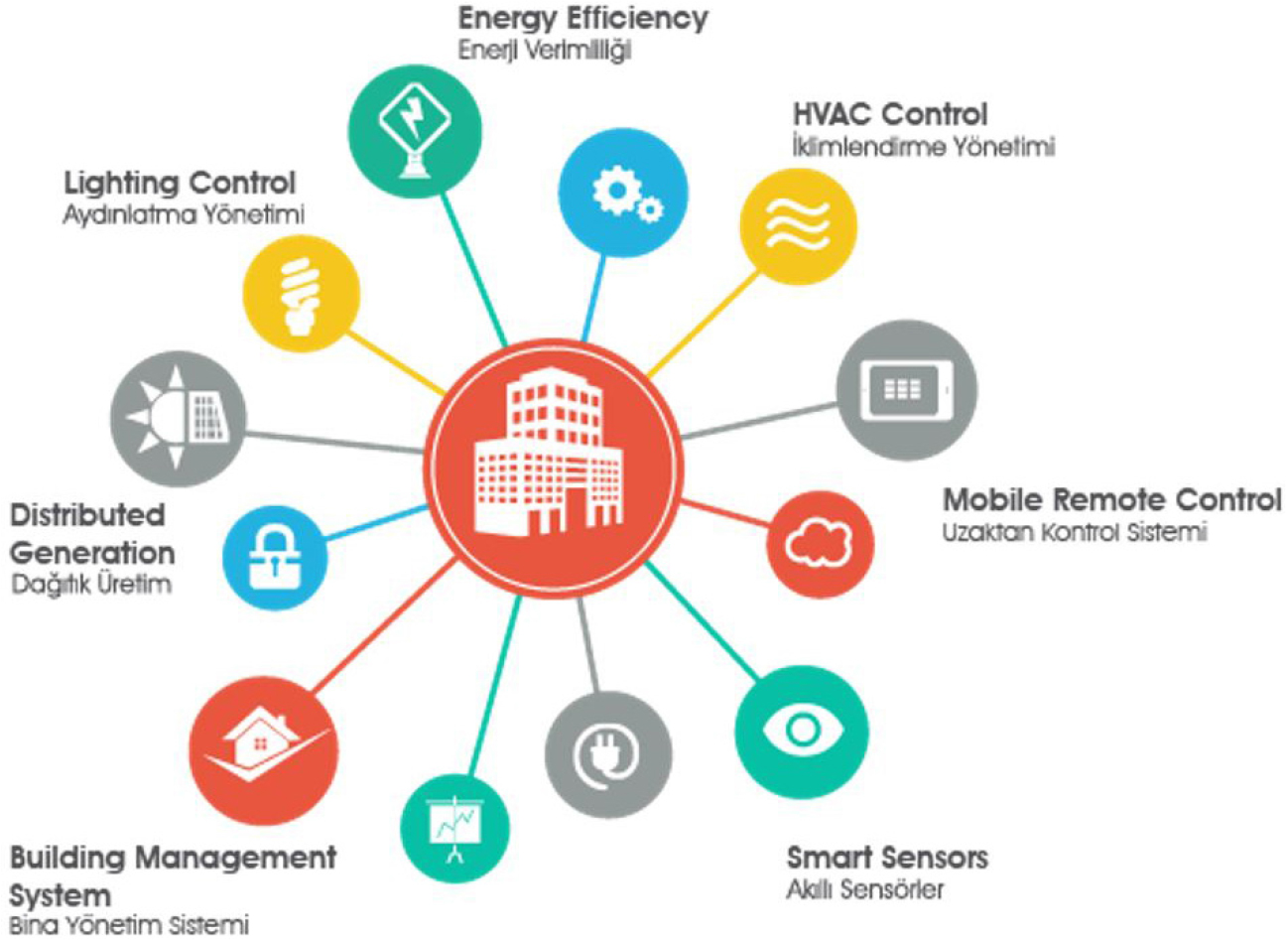
Buildings consume energy and other resources at each stage of the building project from design and construction through operation and final demolition Here we will mention some interesting energy efficiency measures that are strictly related to the energy consumption in buildings and that would be close to composing all the aspects related with that in a project like this. Figure 1 shows a general classification of the influencing systems [13].
Definition of Smart
The terms ‘smart’, ‘functional’, ‘multifunctional’ and ‘intelligent’ are often used interchangeably. This is reasonable, if confusing, for the first three terms, but the last almost certainly suggests a degree of consciousness that does not exist in any non-biological system [15]. See Table 1.
Table 1.
Smart Classification Groups [16]
Historical background of smart buildings
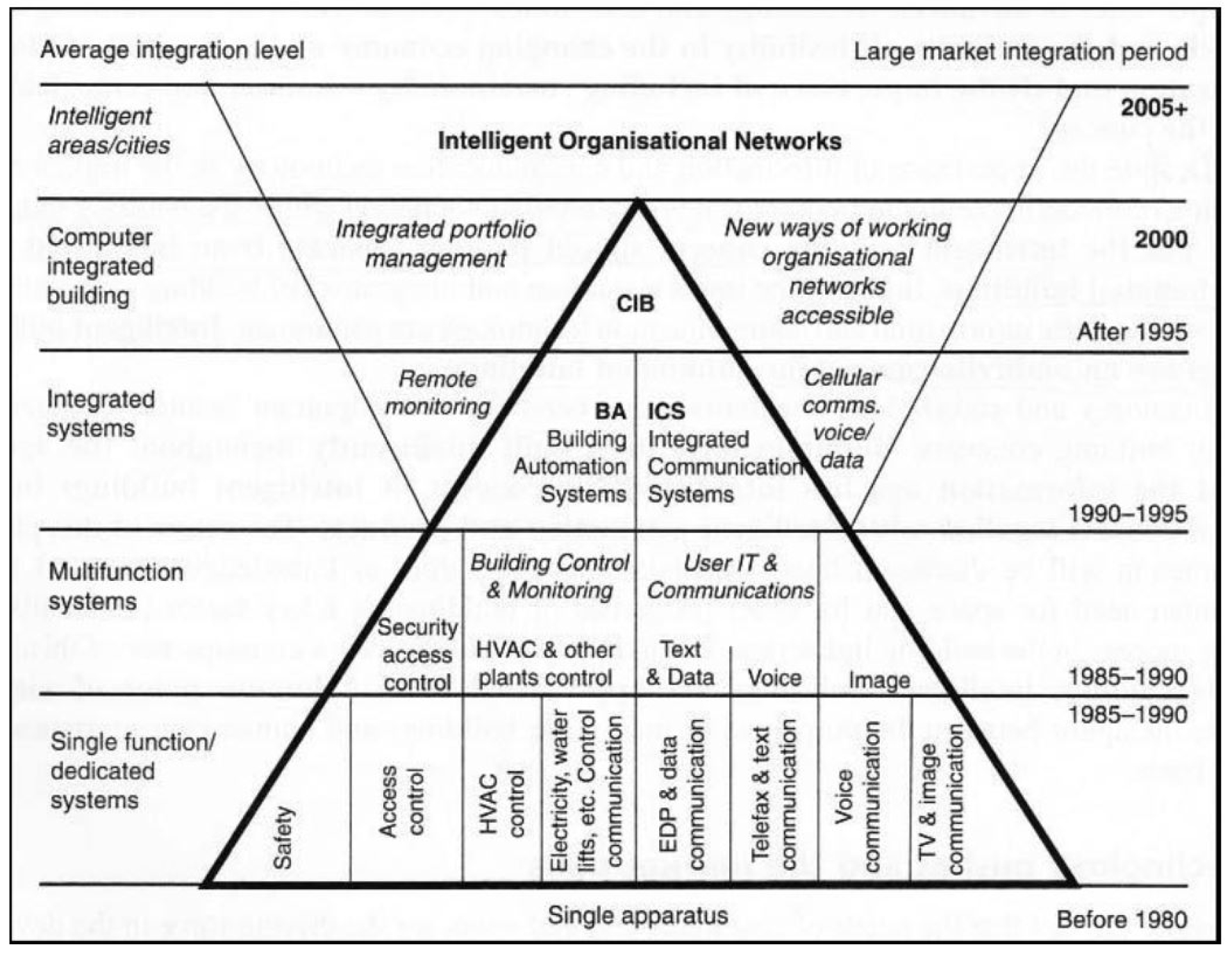
The intelligent building pyramid which was created during the European Intelligent Building Study by researchers is given in Figure 2 below [17].
Intelligent System in Architecture Facade Systems
One of the number one responsibilities of the building skin is to alter the prevailing situations in the surrounding external environment to make certain comfortable conditions inside the interior. as shown in Table 2.
Table 2.
The function of the Intelligent Façade System [23]
| Ventilation | Almost all ancient buildings have been ventilated naturally, with increased attention of the cost and environmental influences of strength use, natural airflow has grown to be a more and more attractive method for reducing power use and fee and for providing suitable indoor environmental quality and retaining a healthy, comfortable, and efficient indoor climate in choice to the extra prevailing approach of the usage of mechanical airflow [24]. |
| Sound Insulation | A façade ought to be dimensioned and designed concerning existing noise sources. The factors which determine the overall sound insulation of a building from the environment, include the construction of the façade, the sound insulation properties of the windows, and the fitting and sealing of the window in the façade. |
| Enhancement of Natural Lighting | Current knowledge for workplace design must optimize natural lights. One of the reasons is lighting fixtures always the most important single item of electricity cost, especially in the open-plan office. Another cause is that most of the occupants prefer natural light, in particular since several artificial lighting had been implicated as the source of fitness problems [25]. |
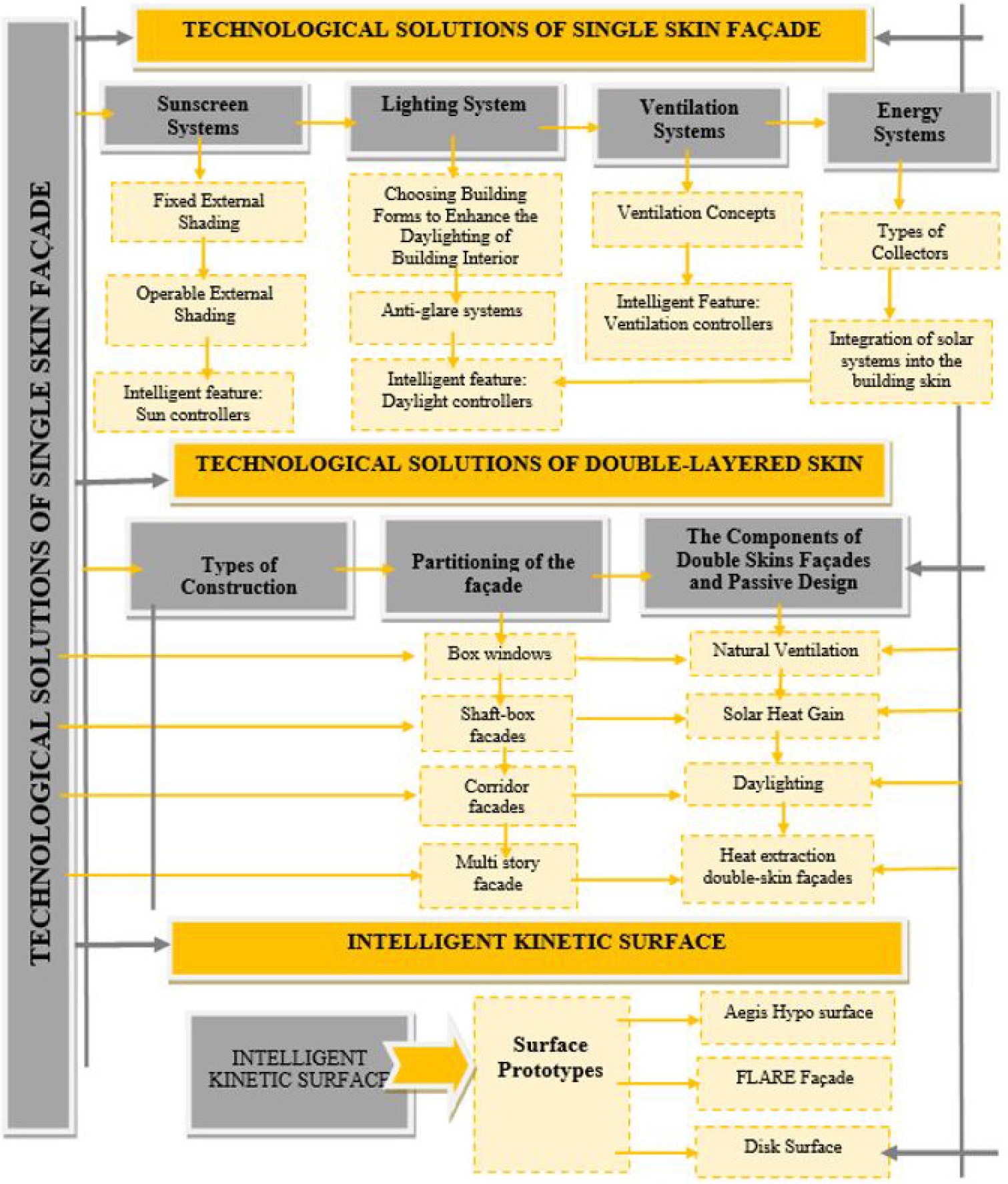
The building skin plays an essential role within the thought of electricity and climate optimized buildings: it’s miles the constructing skin that features as an interface between indoors and exterior space [19]. It gives thermal and sound insulation and ventilation, and controls and publications the entrance of daylight into the building. An ‘intelligent facade’ differs from a traditional facade in that it incorporates variable devices whose control adaptability enables the building envelope to act as a climate moderator. However, buildings that utilize such devices can become complex environmental systems, requiring automatic control to provide environmental equilibrium and energy efficiency, see Figure 3[20].
Smart materials characteristics
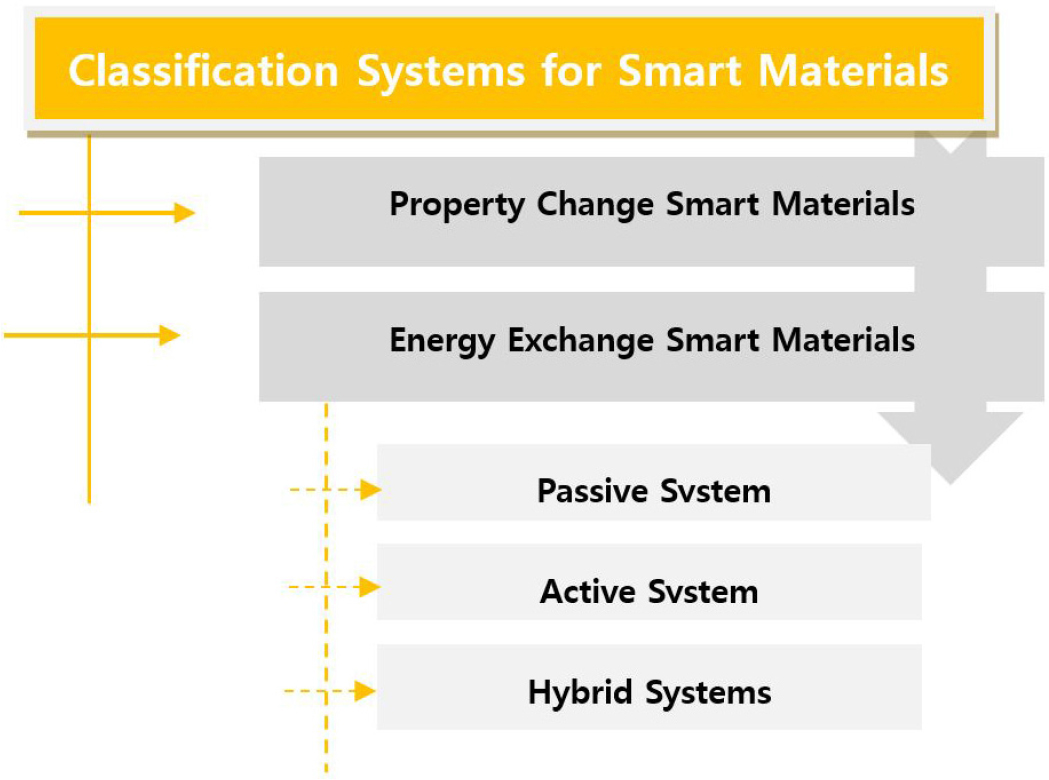
Because of advances in the field of material technologies, it is no longer possible to identify materials using conventional systems. As a result, in 2005, Addington and Shodek implemented a new classification scheme that separates materials into [26]: (Figure 4).
Type 1 – Property Change Material Types
Type 2 – Energy Exchange Materials Types
Type 1 – Property changes material types
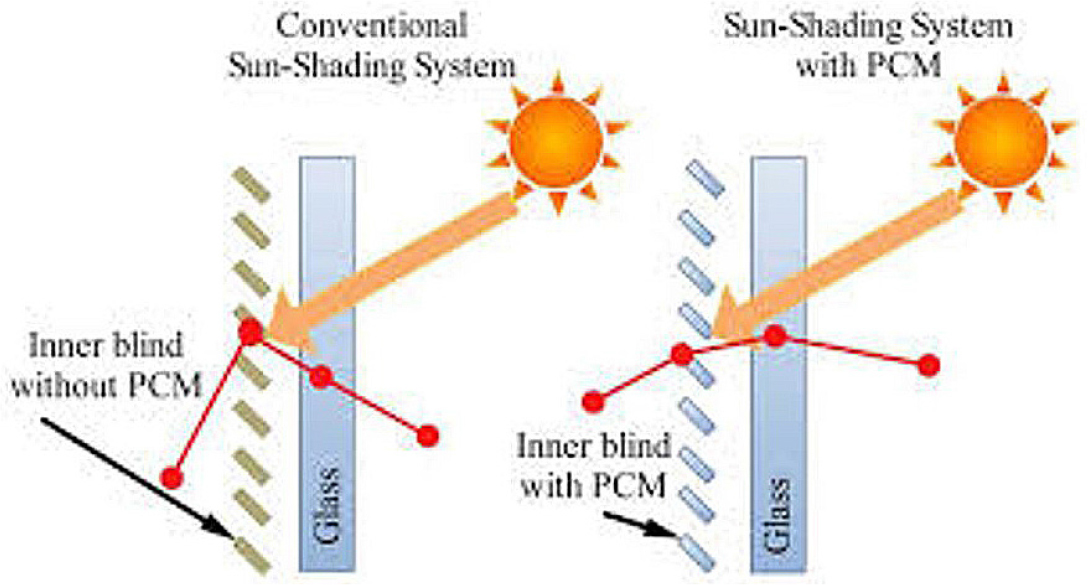
These are smart materials that respond to a direct external stimulus by modifying one or more of their properties. There are direct and reversible improvements that do not require the use of an external control system. Thermo- chromic materials, phototropic materials, Thermotropic materials, form memory materials, Mechano-chromic materials, Chemo-chromic materials, Electro-gromic materials, and phase changing materials are the most popular property shift materials. In Figure 9 is presented conventional and PCM sun-shading system [27] (as shown in Figure 5).
Type 2 – Energy exchange materials types
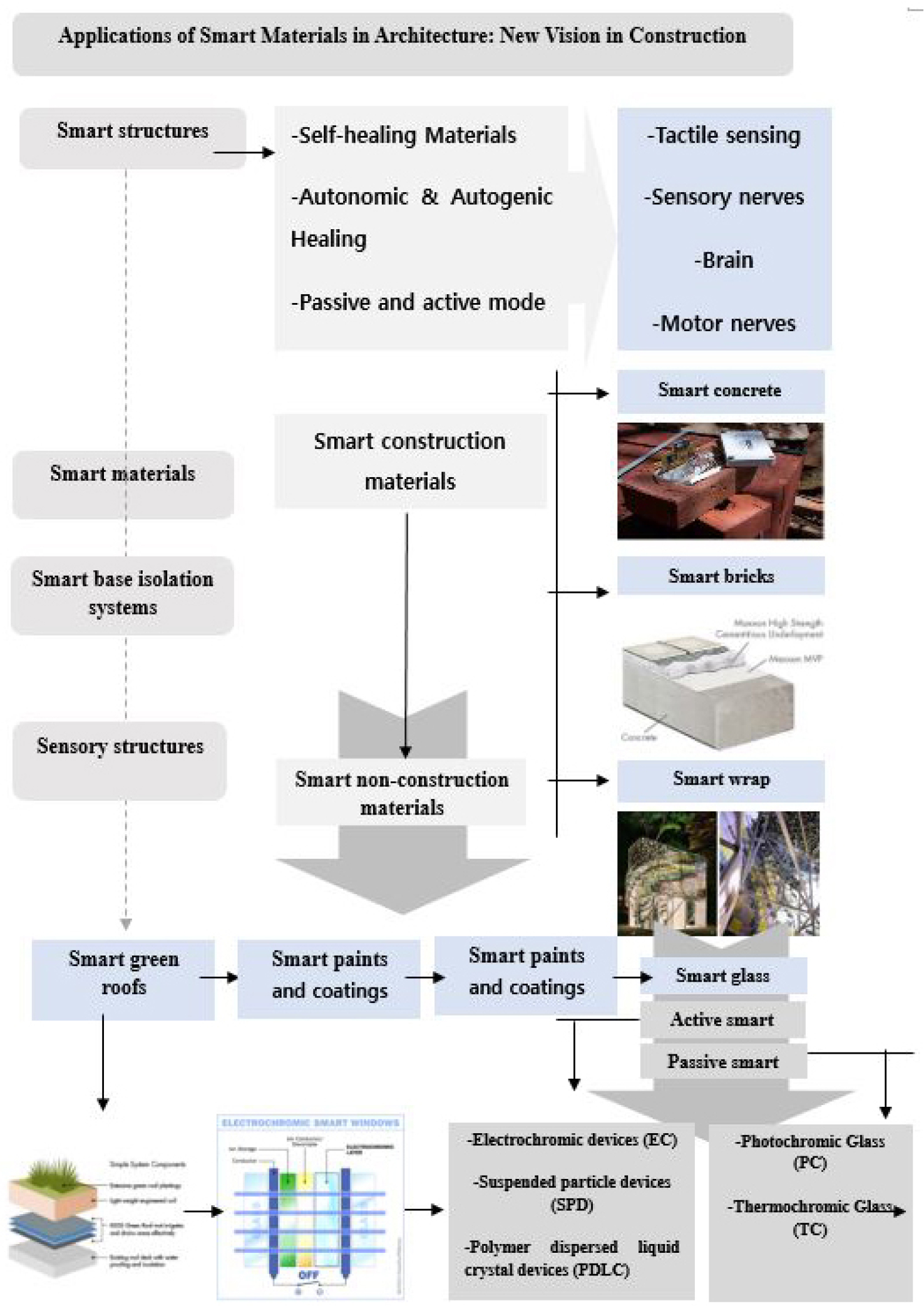
This group contains smart materials that have the potential to convert energy from one form to another form’s output energy. It is also capable of executing its purpose in a straightforward and reversible manner. Electro- restrictive fabrics, for example, turn electrical energy into mechanical energy, resulting in a transition in form. In the same way, it can be conveniently reversed to its original form. Smart material structures are categorized according to how they respond to stimuli. There are three types of systems: passive, active, and hybrid [28] (as shown in Figure 6).
Passive smart material systems
When a materials system detects a shift in stimuli and reacts automatically with an action or actuation, it is referred to as a passive system.
Active smart material systems
When the functioning of a smart material system is guided and regulated by a system, it is referred to as an active system. This device has a sensor that can sense changes in the stimulus and sends a signal to the control unit, which then reacts by triggering the material system [30].
Hybrid smart material systems
The functionality of both active and passive systems can be merged in a mixed framework. The material can operate as a passive system, but an active system can track and regulate its output [31].
Simulation structure
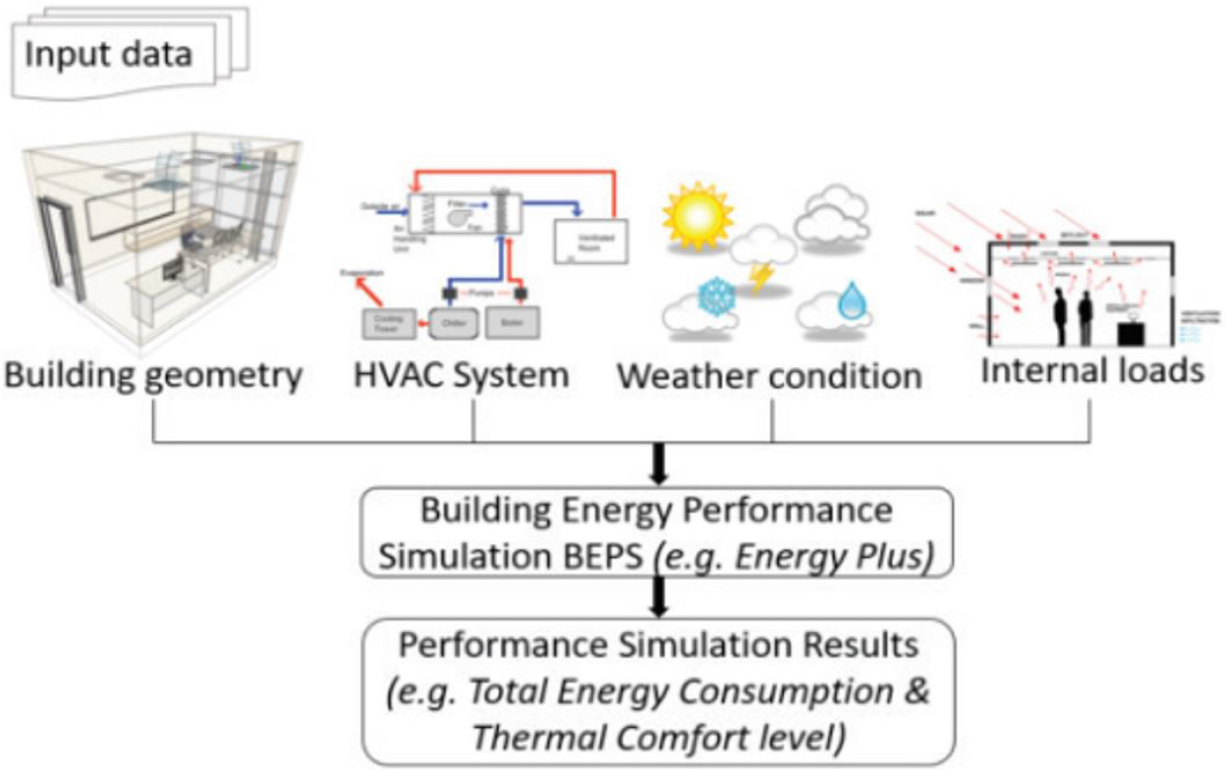
The study has investigated the effects of several suitable low and high technologies on the envelopes, applying the principles of sustainability, such as using local - reused or recycled- materials, which contributes to reducing a maintenance operation. Design-Builder has illustrated advanced modeling tools in an easy-to-use interface for the most widely used energy simulation engine Energy-Plus. So, it is chosen as a simulation software for energy simulation [32]. It provides results of energy consumption, thermal comfort, and air temperature for the building selected for analysis. With Design-Builder, all suggestions can be examined. The base case was examined twice; firstly, the simulation was performed with the traditional technique, second simulation tested with smart technique. The results showed that the base case in office building didn’t reach the best thermal comfort without any treatment on the envelope [33] (See Figure 7).
User inputs and strategy selection
The accuracy of constructing electricity simulations particularly relies on the user input data, for instance, orientation, climate conditions, building geometry, production properties, place usage, internal loads, mechanical and HVAC device, etc. [34, 35], Figure 4 with Table 3.
Table 3.
General office building design data
Weather data file
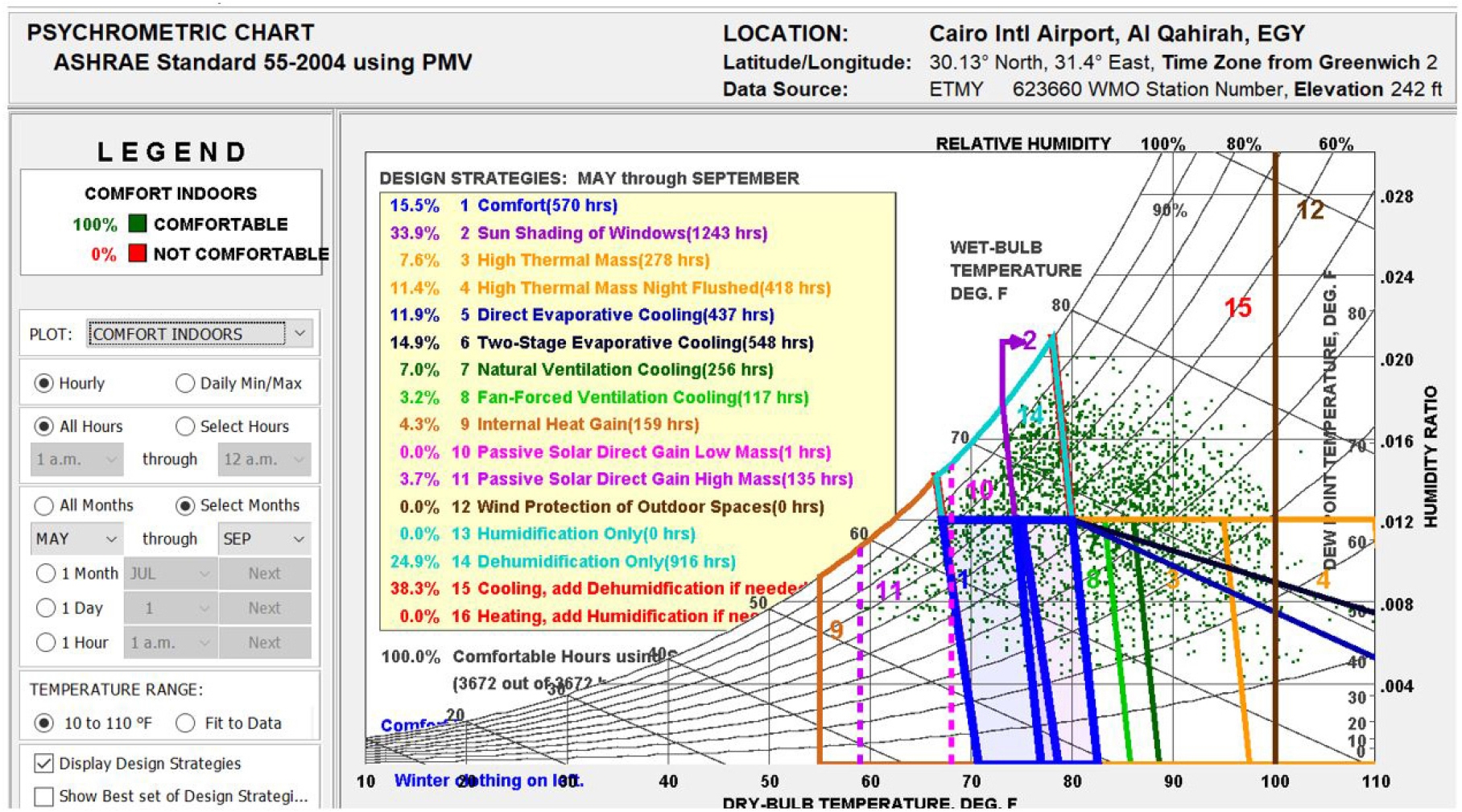
Climate Consultant allows users to upload standardized EPW format climate data, which are made available online by the Egypt Department of Energy (Climate Consultant 6.0) and Envisions all hours of the 12 months on the Building Bioclimatic Chart where selected design techniques are shown (Figure 8) [36].
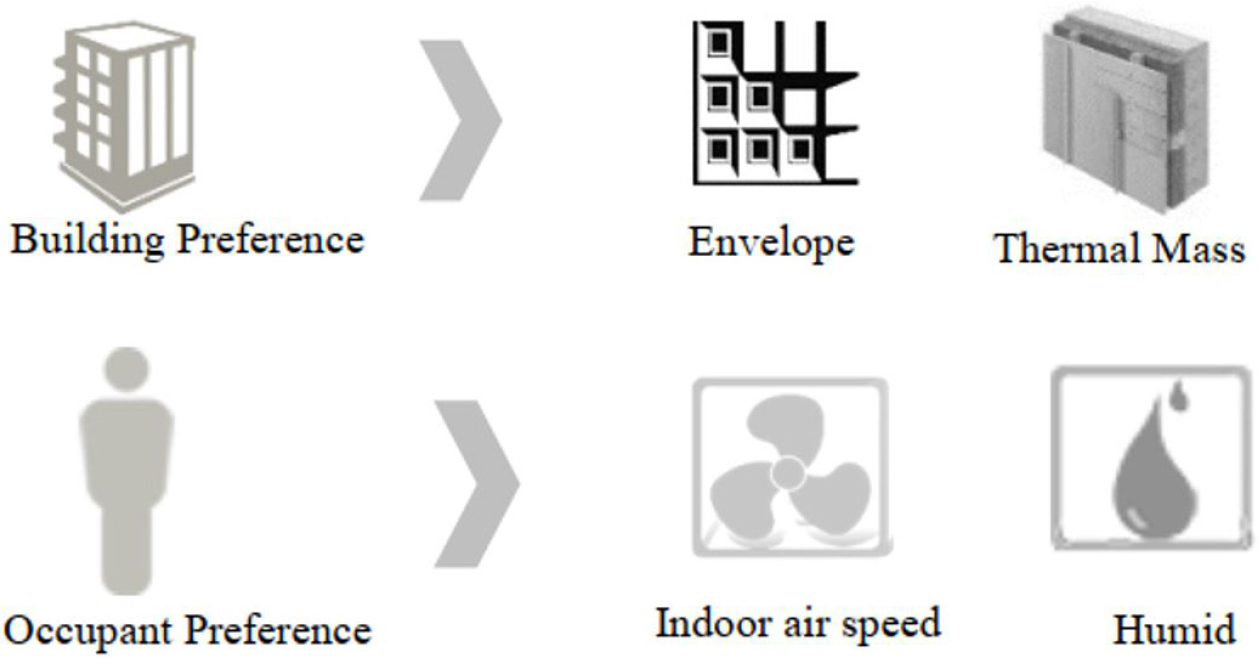
As noted above, there are two number one categories of consumer inputs: building preferences and occupant preferences (Figure 9). Building options are given for envelope overall performance where three alternatives are provided: cold, temperate, and hot climates. Furthermore, these alternatives can be used with base production alternatives for thermal mass or can be combined with a high thermal mass choice where an extra production layer is introduced to reinforce the thermal capacity of the zone [37].
The function of developed skills, built on smart materials, has the measurements to considerably improve the sustainability of buildings, by focusing on phenomena and not on the material artifact. Energy can be reduced by using discretely acting only where necessary and operate discretely and locally [38].
Methodology
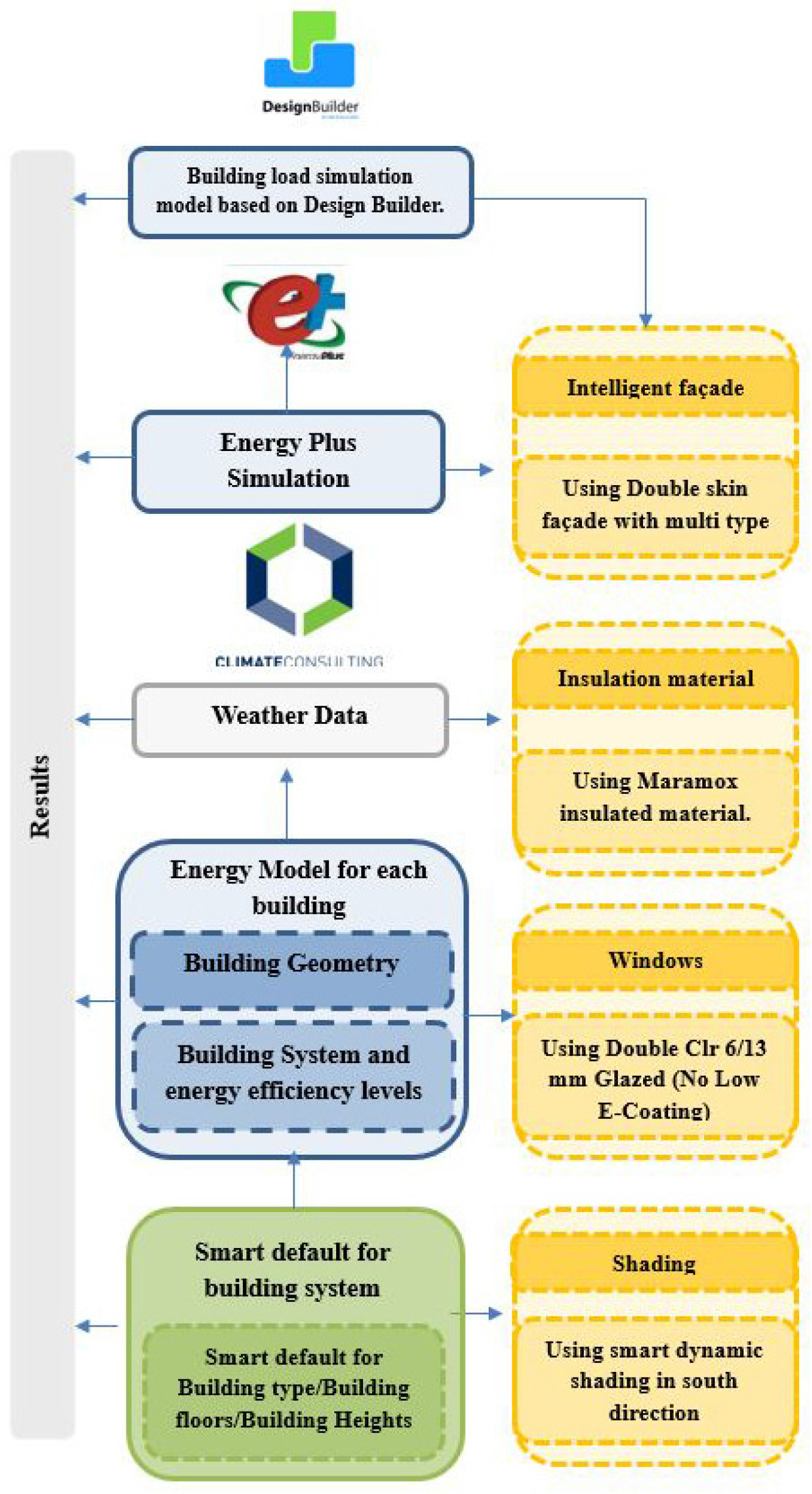
The Design Builder tool is used to create building cooling load simulation models in this research. Design Builder is a complex modeling program with a builder graphical interface and Energy Plus as its main calculator [38]. Figure 11 depicts the steps for creating a building load simulation model using Design Builder.
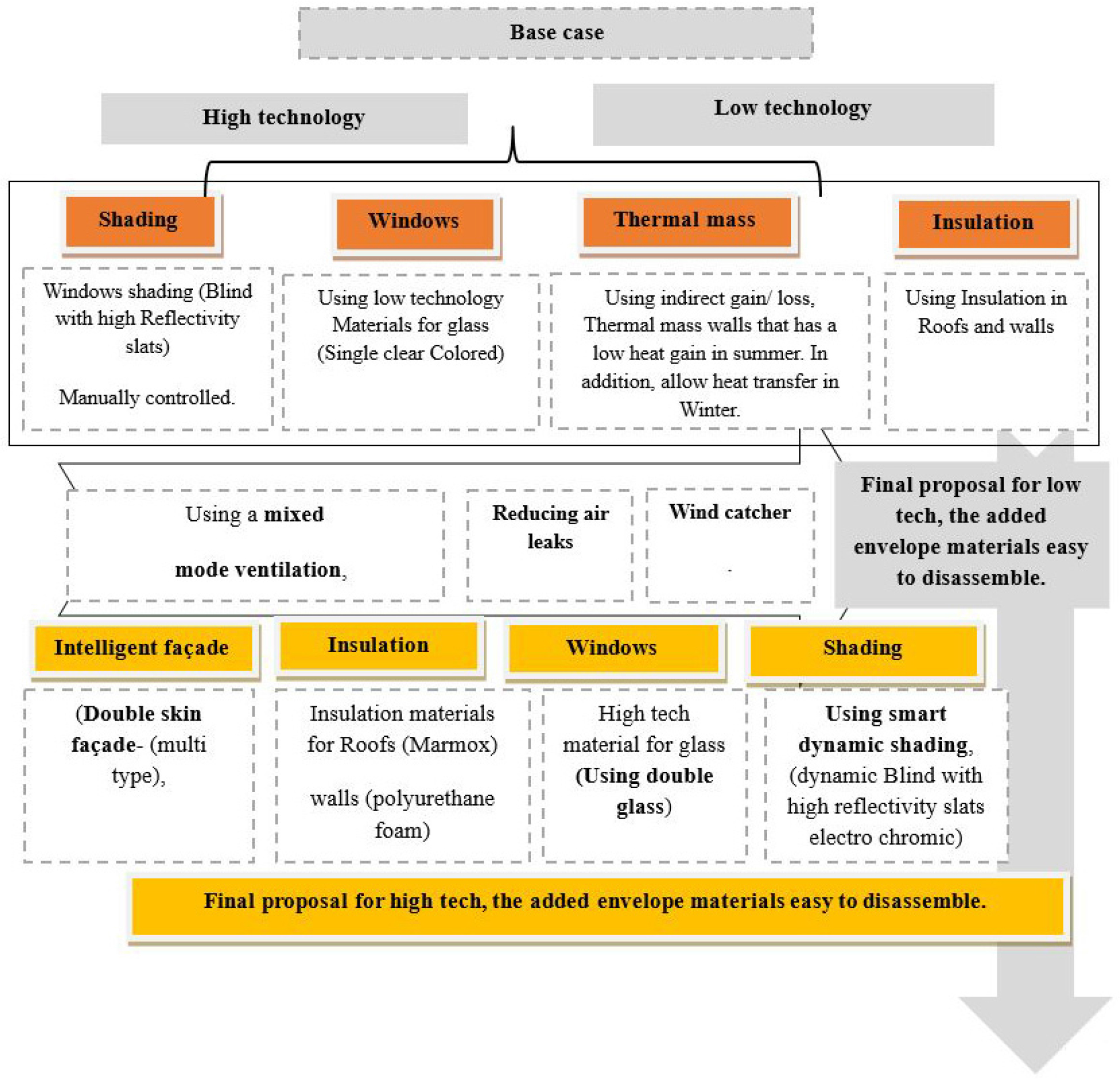
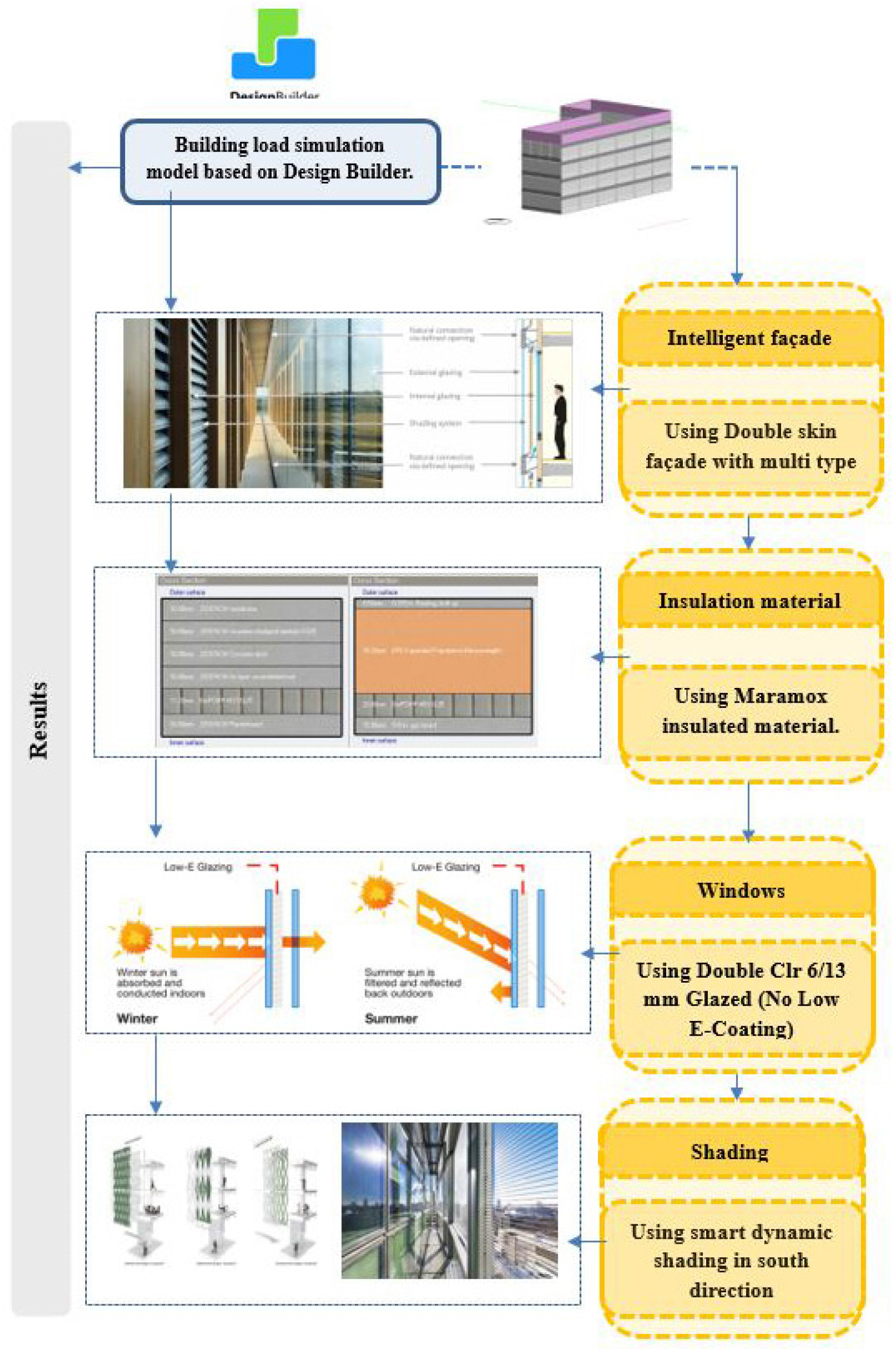
The energy performThe energy performance simulation was conducted for the base-case and the modified-case using different construction smart materials (See Figure 10). Both cases are the same in the foot-print area, which is 900 m2. The first case is the as-built case that used traditional Egyptian construction material as follows: the roof was made of typical Egyptian roof layers (0.15 m reinforced concrete, 0.02 m betomine damp insulation, 0.04 m heat insulation roofing board, 0.05 m sand, 0.02 m cement mortar, and 0.01 m concrete tiles) as shown in Figure 13(a); without new technology, while the modified case used the following technique: double skin façade with multi-type, Using Maramox insulated material in roof, Using Double Clr 6/13 mm Glazed (No Low E-Coating) and finally Using smart dynamic shading in south direction (See Figures 11, 12).
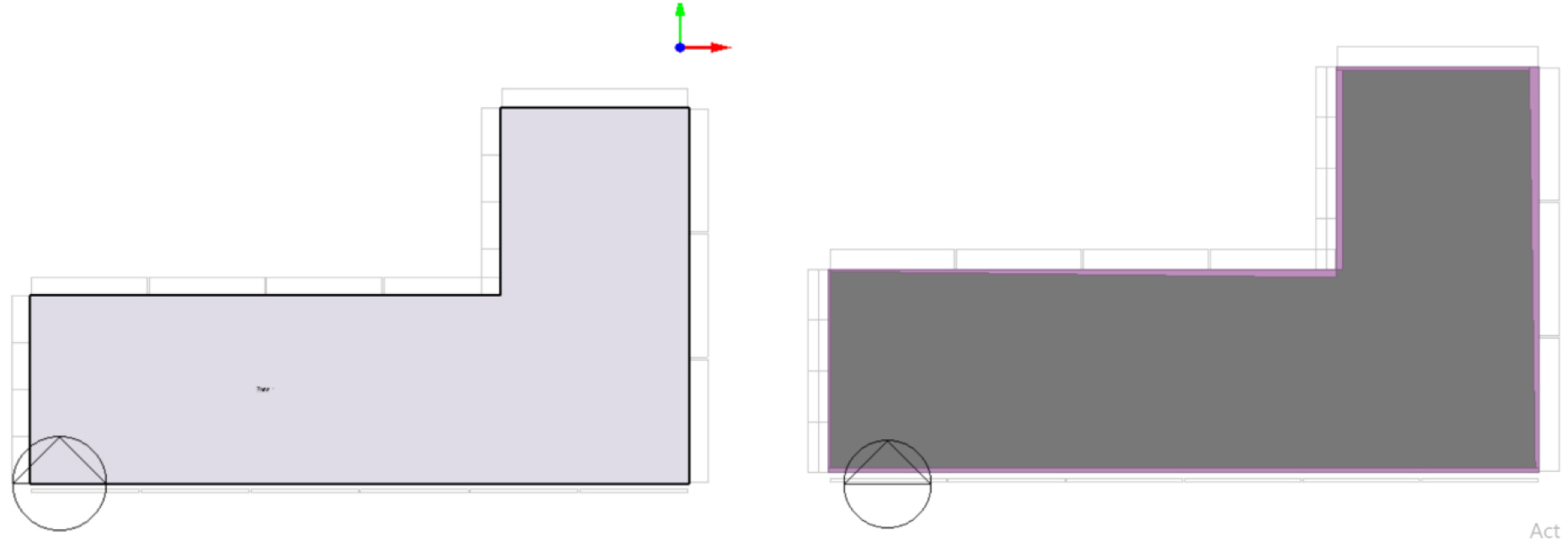
General office building design data
L-shape design form with distinct thermal zoning and a number of stories represents different office building styles (See Figures 13, 14, 15).
The approach that was used to begin the database and that will be extended to future phases of the database is explained in the following section (Table 4).
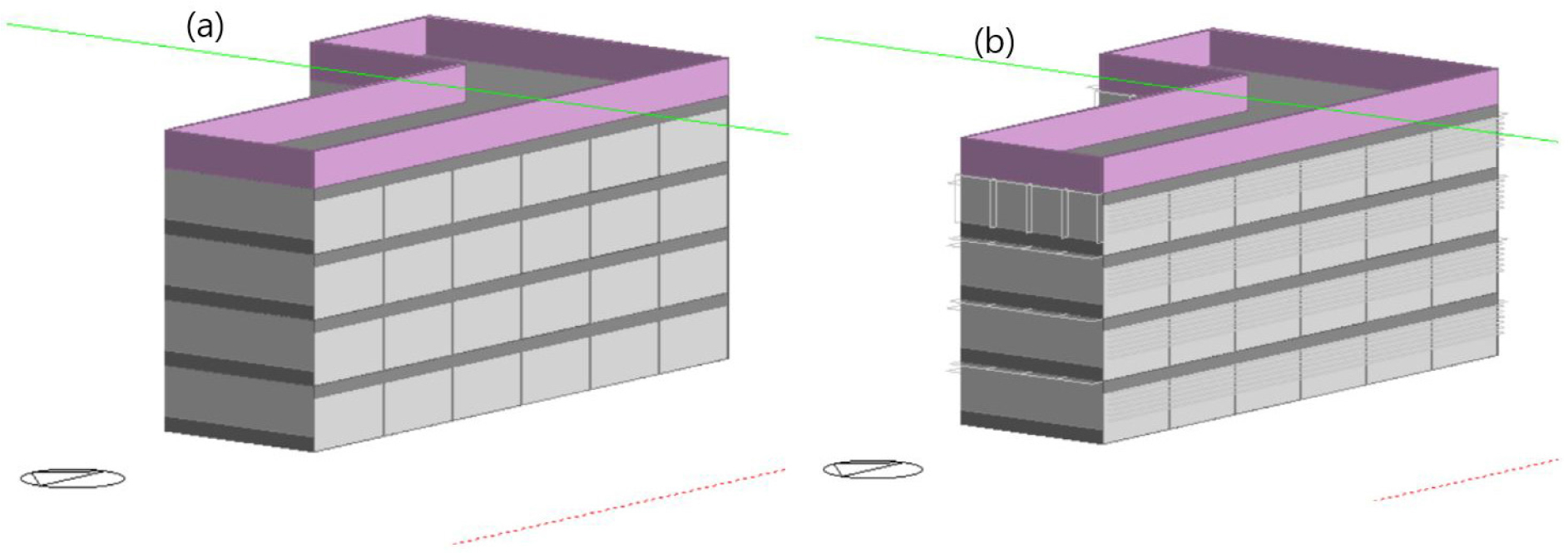
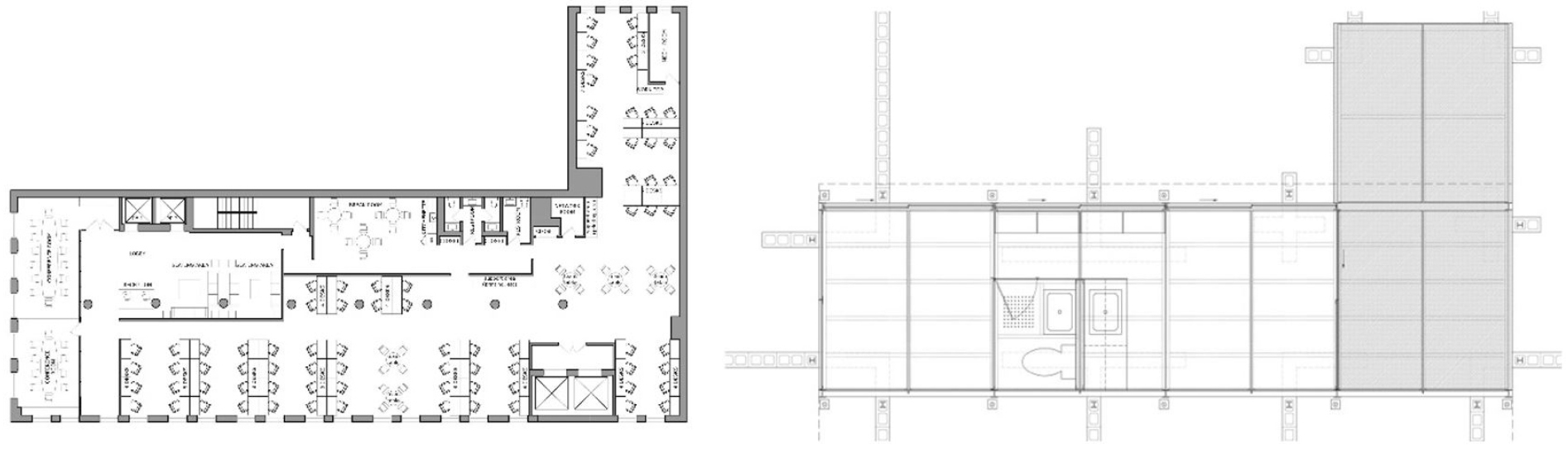
Table 4.
Office Building Architectural Data
Result and Discussions
Energy use was projected to drop dramatically. However, owing to the necessary building materials used, which were derived from previous work, a very minor reduction was achieved. The analysis process will address three phases: (1) Operative Temperature °C (2) Zone Sensible Cooling kWh (3) Predicted Mean Vote (PMV).
Figure 16 shows the annual air temperature for Hybrid Ventilation modes with the base case with Full (HVAC) Mechanical Ventilation (Fully Air-conditioned) for all the working hours’ working days. This clearly shows that the best ventilation mode was the hybrid case (Modified case) which reduced air temperature more than 15°C. Applying the hybrid case the maximum air temperature reached 26-28°C, while the base case, the air temperature reached 38°C and 430C was the temperature reached by the base case (Base case).
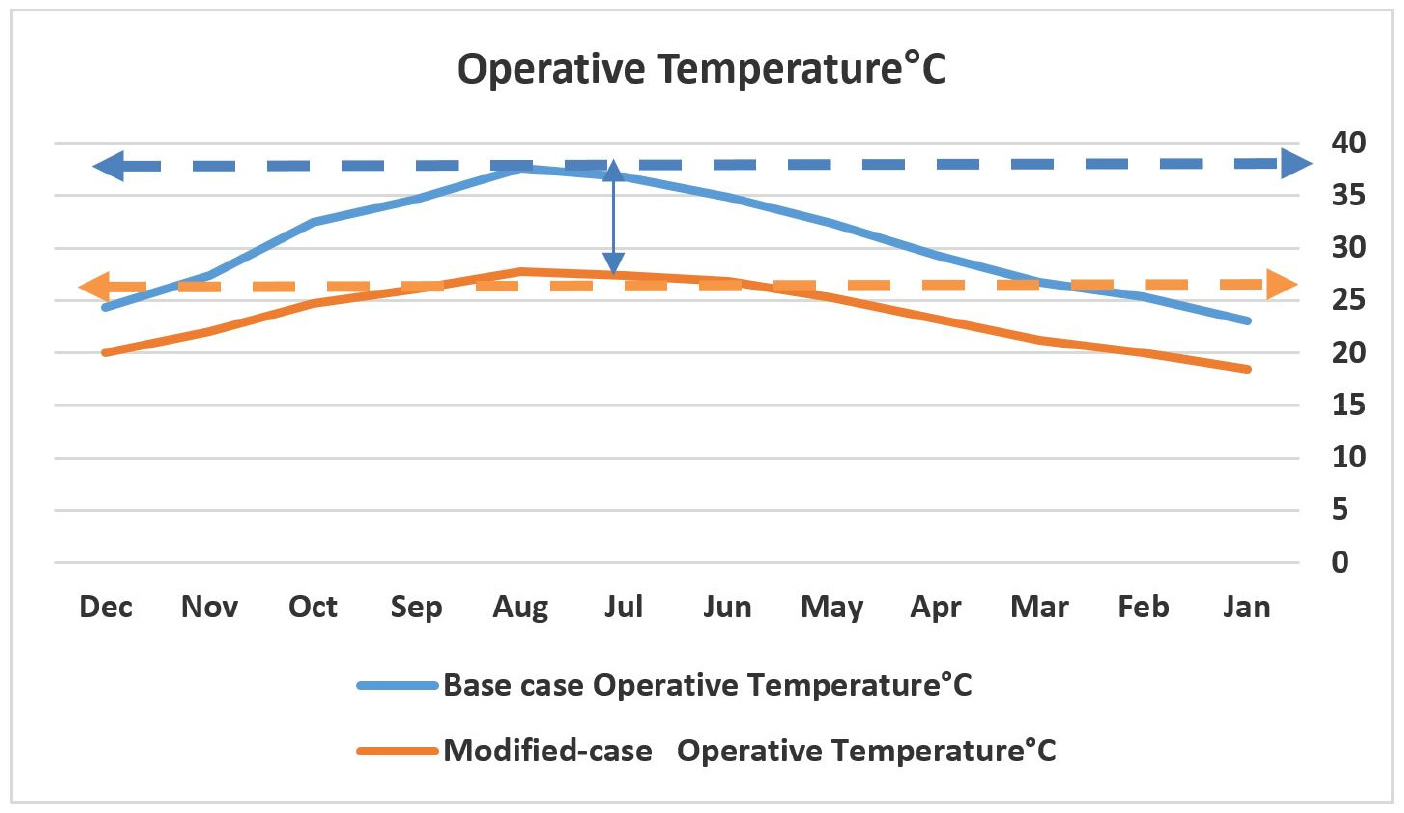
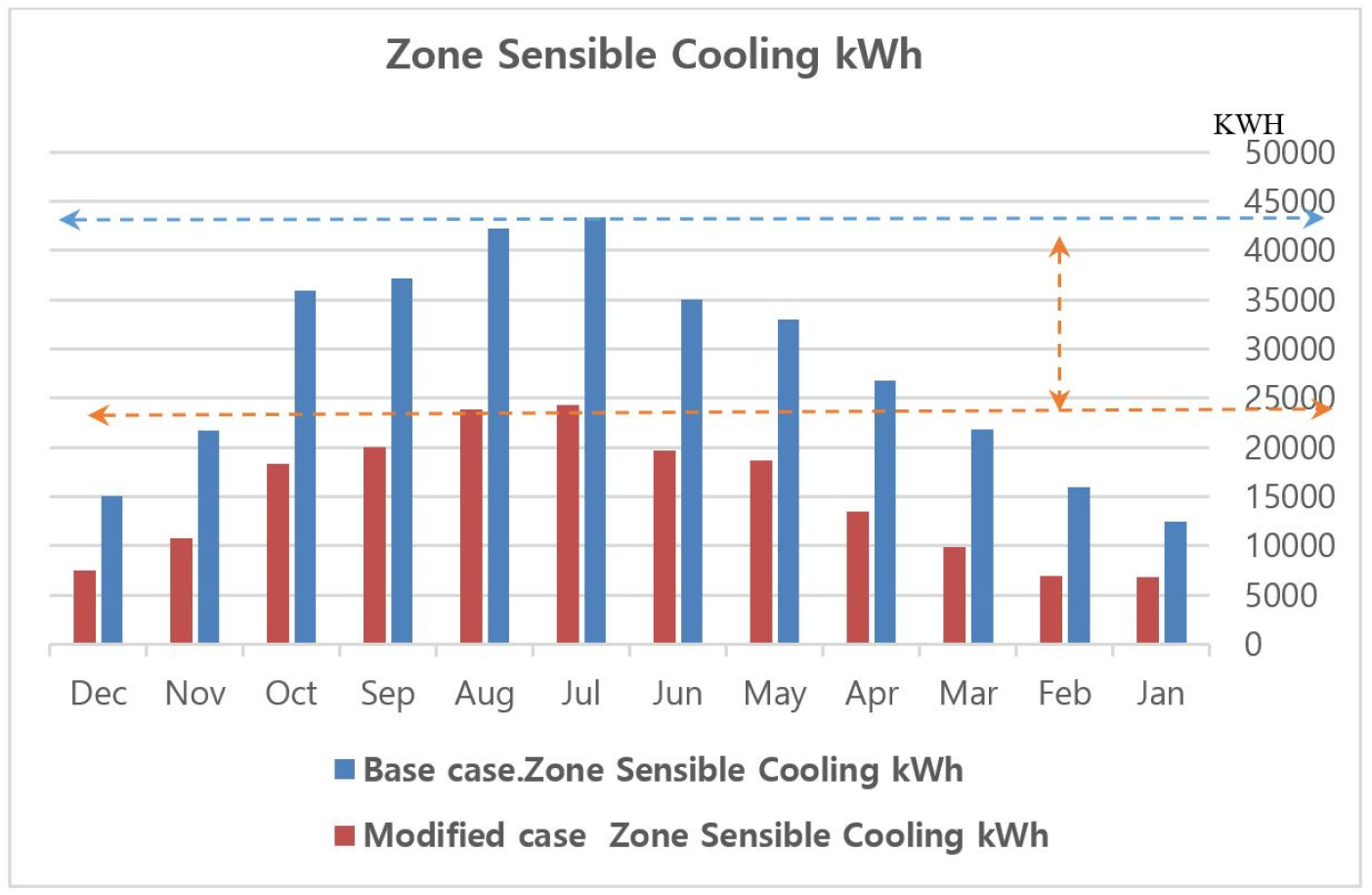
Figure 17 shows the effect of applying the smart technique of façade on annual sensible cooling with 24756 kWh compared to the base case 44947 kWh in July. As such, the most efficient configuration of the smart model case study examined was the mixed mode ventilated. The annual energy consumption has a value of 45.366 kWh/m², approximately 62% more efficient than the conventional base case model (72.292 kWh/m²).
Upon reviewing the annual energy consumption of each model configuration examined within the office area, it was clear that the smart model is the configuration, which was the least efficient in terms of annual energy consumption. The base-case consumes 22831.42 kWh, whereas the modified-case consumes 11831.42 kWh that is 11% reduction in the annual energy consumption (as shown in Figure 18).
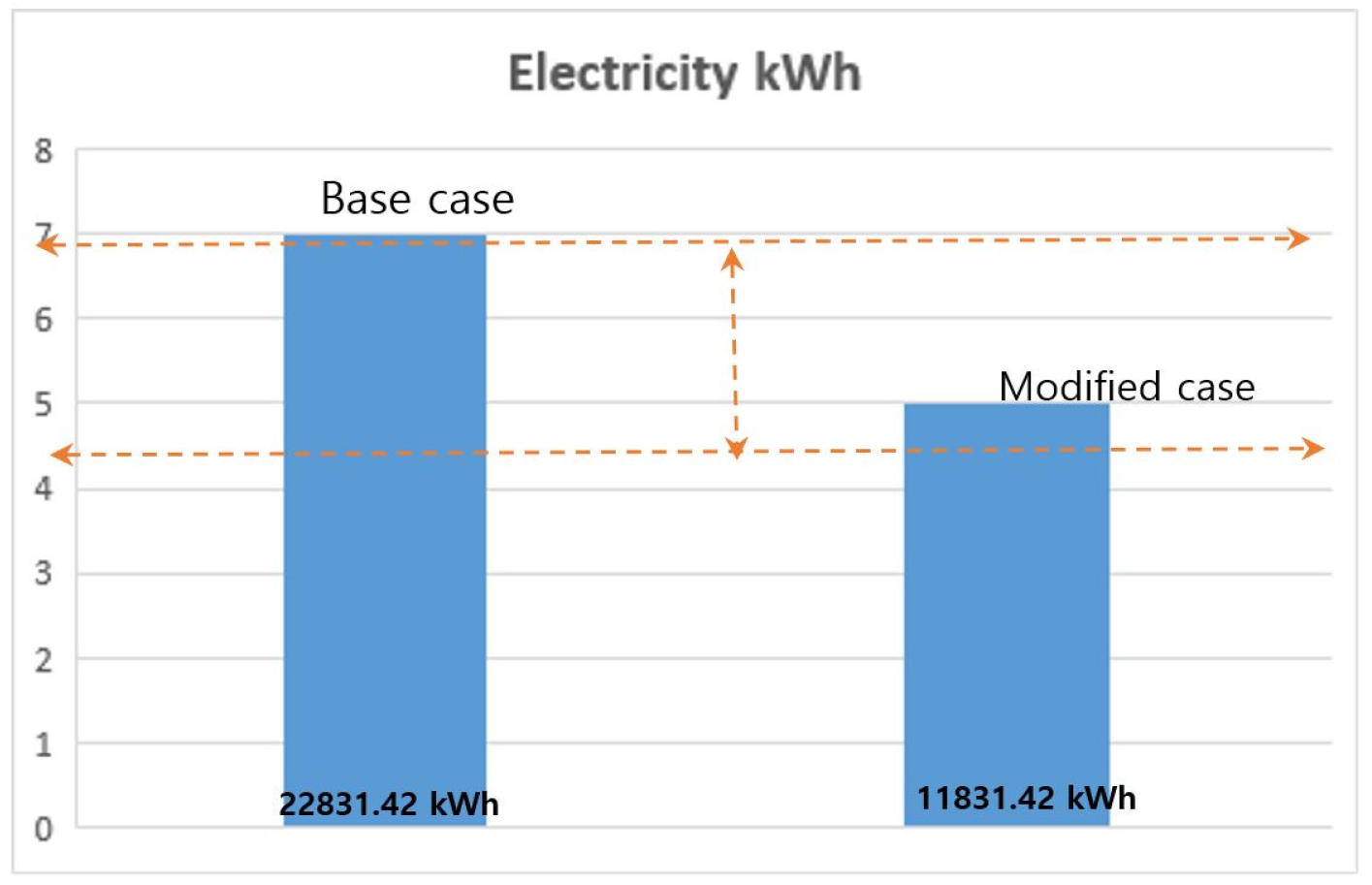
As a result of case 1 & 2 simulation, the energy saved will be approximately 11,000 KWH, which represents 45% of the actual energy consumption in one year.
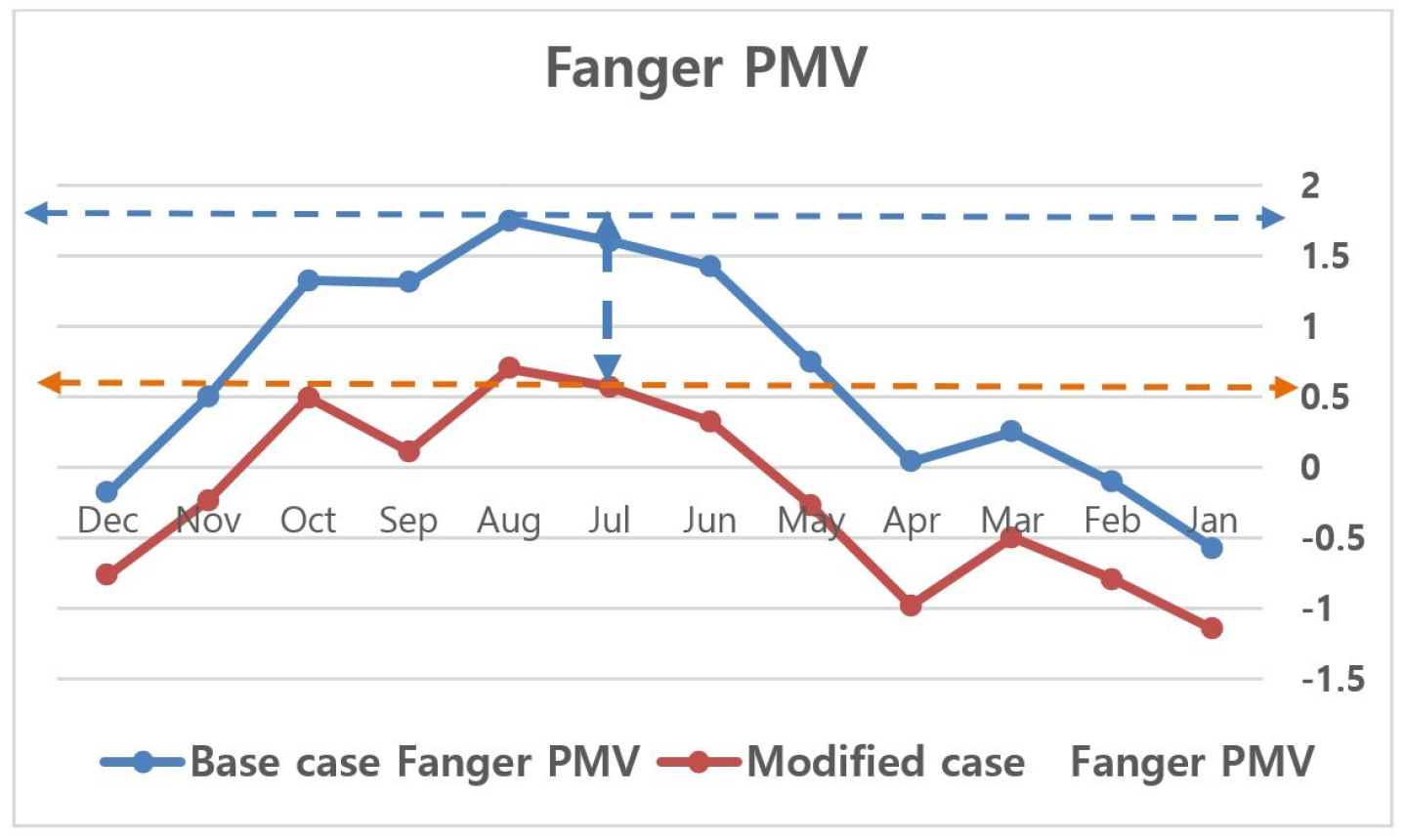
Figure 19, In applying the Fanger PMV on the different techniques of smart system configuration and the base case it is clear that all lay between arranging of (-1 to 1). while the base case reached above 4.but still the most effective was the modified case.
Conclusion and Recommendations
It has become important for architecture to capitalize on new technology’s opportunities in a variety of areas, including the immense potential provided by smart material technology on the design process.
We conclude from previous research and studies on the relationship between smart materials and architecture building facades that smart materials can have three effects when used in modern building facades: Impacts of the law - consequences for the environment - consequences for technology.
Referring to the aim of this research about the importance of adopting the proper technology for building envelopes in the office buildings in Egypt, the results have revealed that the appropriate technology can provide the best thermal comfort without HVACs, save energy consumption, in addition to considerate economic conditions. High performance, climate-responsive facades can significantly lessen each annual and peak electricity demand and ensure “resiliency” within the face of power outages. Because of the broad formal, cultural, and technological impacts that smart materials can have on the design process, the study suggests that architects seek to include them in their interfaces.
Future research and limitations
For both the interior and exterior visual experience, materials have recently designed to provide visibility combined with the best visual aspect a building will experience. As a result, architects begin to see materials as part of their design palette. That can be chosen and used as a visual surface.
By opening a new era in architectural design and building, the presented approach of using smart materials as a tool to imitate nature allows architects to create new forms and convey new ideas of space. Architects should also create more sophisticated architecture that is more sustainable.
The research’s limitations To begin with, due to their high manufacturing, integration, and installation costs, most smart material applications need a large amount of funding.

