


Introduction
Research Methods
Theoretical Background
Psychological Stress and Cancer
The Therapeutic Effect of Implementing Nature in Space Design
Biophilic Design Approach
Nature in the Space Patterns
Biophilic Design Implementations
Analytical study
Case studies
Survey Analysis
Results
Conclusion and Discussion
Introduction
Concrete Healthcare quality is one of the most frequently cited principles and is on top of the global agenda. One of the significant health issues in the Twenty-First Century is Cancer, the second primary cause of global mortality [1, 2]. The accelerated incidence and related costs necessitate a prompt, effective, and innovative healthcare response to alleviate the associated treatment burden and support those affected by cancer [3]. Research is continuously developing a vast array of methods for improving healthcare facilities design. However, all prior studies focused on the rational, academic, and theoretical framework without considering how these spaces make patients feel, making those facilities systematically cold sterilized buildings for some patients. Consequently, in the early nineties, there was a growing awareness of nature-based treatment [4], and recently, researchers have shifted the focus on disease healing from only the medical perspective towards the integrated patient needs, the mind, body, and spirit connection [5].
It would be implausible to assert that building components can eradicate a disease like cancer. However, the potential health effects of space’s natural environment have been a widely discussed topic. During treatment, which can last for years, cancer patients lack the time and ability to connect with nature. Biophilic Architecture, which promotes the integration of “nature” into buildings and their surroundings for mental health and environmental reasons, can be an approach to solving this problem [6].
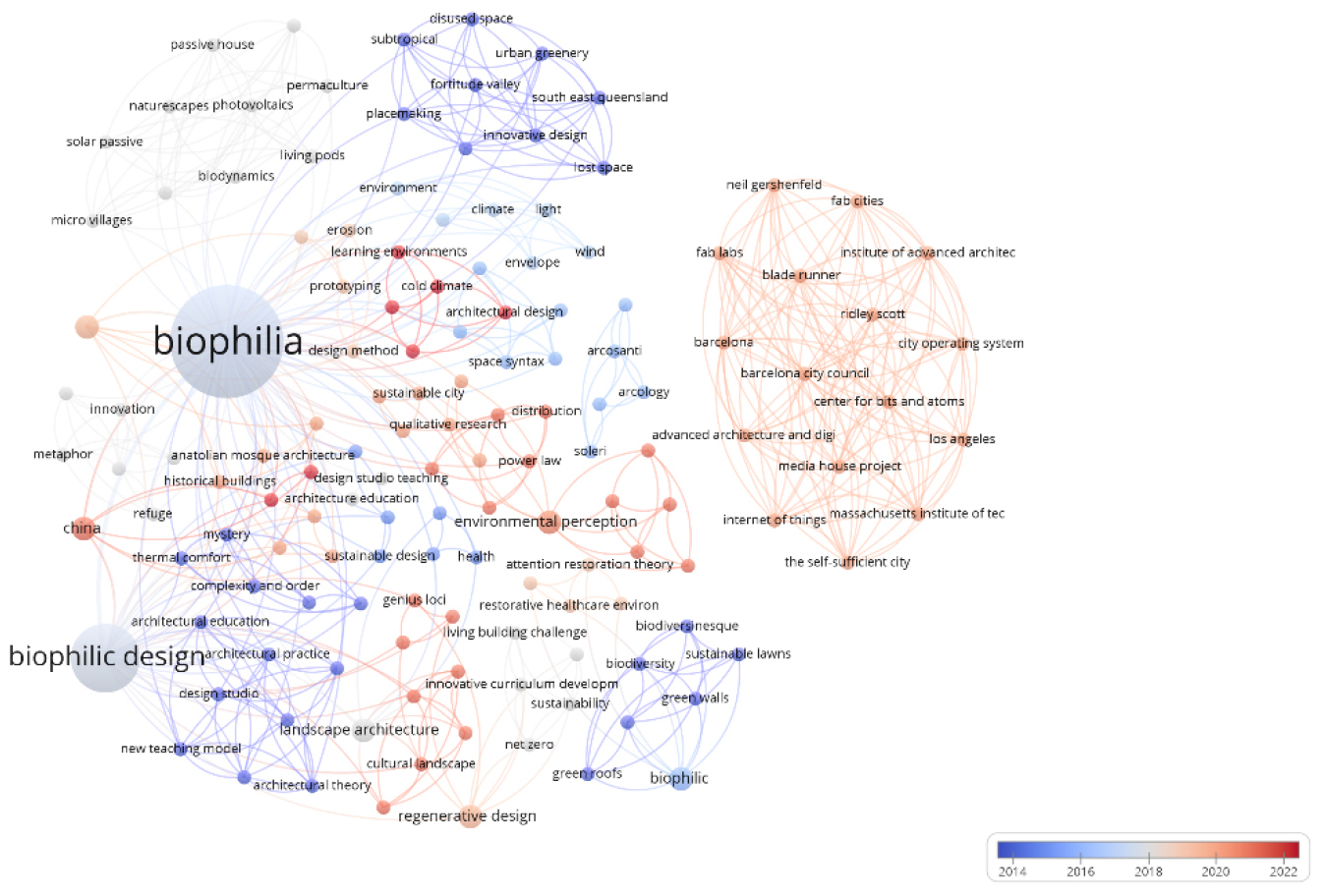
Using the keyword Co-occurrence Analysis, a research gap was identified regarding this topic (Biophilic design), as shown in Figure 1. Few studies incorporated the benefits of biophilic architecture in healthcare organizations (hospitals, health centers) in general, and even fewer addressed the impact of incorporating nature in space design from the patient’s perspective for specific types of care, such as cancer facilities, resulting in a lack of implementation guidelines. In addition, the majority of research on biophilia in healthcare regarding stress and comfort was conducted in the medical field and focused on measuring patients’ psychological responses. However, no research has established a systematic framework for implementing nature in architecture design patterns for cancer facilities from patients’ perspectives. So, this study was conducted to develop a patient-centered strategy and emphasize establishing patients’ ability to manage the disease and maintain stress reduction and comfort by improving physical spaces using biophilia to achieve optimal health outcomes.
As a result, this study aims to develop a framework encompassing the most significant biophilic design considerations of the “Nature in the Space” pattern to be implemented in cancer hospitals. This aim is achieved by answering the following questions: What is the effect of applying “Nature in the space” design implementations on the patient’s comfort and stress reduction? What are the preferences of the patient regarding these biophilic design interventions? Regarding nature in design, what is the framework for design interventions derived from biophilic architecture? These questions are answered by conducting an in-depth survey with cancer patients and their caregivers from different countries, and site visits to two of the European cancer facilities and one in Egypt to better comprehend and improve their healthcare experience. This study focuses on the effect of patients’ direct connection to nature in space, specifically, the seven main biophilic design patterns of the “Nature In The Space” classification [7].
Research Methods
The following procedures were taken to fulfil the study objectives:
1.Literature search and data collection on the relationship between cancer, stress, and Nature, Exploring the impact of natural elements on cancer patients’ well-being and how they can be incorporated into the design of cancer healthcare spaces.
2.A theoretical review related to the Biophilic design approaches and patterns in the built environment and extracting a set of patterns and their design considerations.
3.Developing a framework for integrating nature into existing and new cancer healthcare spaces.
4.Evaluating the effectiveness of the proposed framework through case studies visits and user questionnaires:
-Conducting a questionnaire based on the proposed framework for cancer patients and caregivers choosing their preferences of “Nature in the space seven patterns to assess/ identify the significance of each element and its applicability in the selected case studies.
-Qualitative data were collected through case study visits and a survey. The study included 100 users and an analysis of two cancer-care facilities, Paris, and the Czech Republic. The SPSS software was used for data analysis following the guidelines to develop an arranged framework based on the significant impact of each pattern element in cancer facilities on patients’ overall comfort.
Finally, this study can provide valuable insights into how to improve the design of cancer healthcare facilities to better meet patients’ needs. This knowledge can help to create more comfortable and healing environments by providing policymakers/retrofitting cancer facilities with a Biophilic framework for implementing nature in the space.
Theoretical Background
Psychological Stress and Cancer
Recent research has revealed a link between stress- related psychosocial factors and increased cancer risk [8]. Cancer patients may develop a sense of desperation, starting from the diagnosis stage and continuing until treatment stress becomes overwhelming [9]. According to Park, S. Y., et al. (2020), stress hormones can alter cancer cells to revive [10], and this response is associated with a higher mortality rate [11]. Eckerling A. et al. (2021) also support combining cancer therapy with psychological inhibition of stress signaling [12]. Hence, reducing cancer patients’ stress is crucial to the success of the treatment/healing process and the prevention of recurrence.
While Some patients attempt to manage their stress by engaging in risky behaviors, such as smoking, which may compromise their health outcomes. Patients who use effective stress-reduction techniques, such as relaxation, have lower levels of depression [13]. According to S. Ulrich’s “theory of supportive designs,” the main concept emphasizes that healthcare facilities must support and encourage managing stress through their design to promote health and well-being [14], or else it would increase the burden of sickness.
The Therapeutic Effect of Implementing Nature in Space Design
The assumption that Nature has a curative effect on sick people dates back centuries and has appeared in various cultures [15]. Florence Nightingale conducted extensive research on maximizing patient comfort and fostering recovery. The healing benefits of natural diversity in a patient’s environment include natural sunlight, colorful plants, a tranquil environment, and other aspects of the patient experience [16]. In 1984, Roger Ulrich’s research demonstrated the comforting and beneficial effects of natural vistas and gardens in healthcare buildings. He stated that five minutes of exposure to a natural setting would serve as a “positive distraction” that would alleviate tension, promote relaxation, awaken the senses, and connect the individual to the outside world. In addition, Ulrich mentioned that employee satisfaction increased while overall healthcare delivery costs decreased [14].
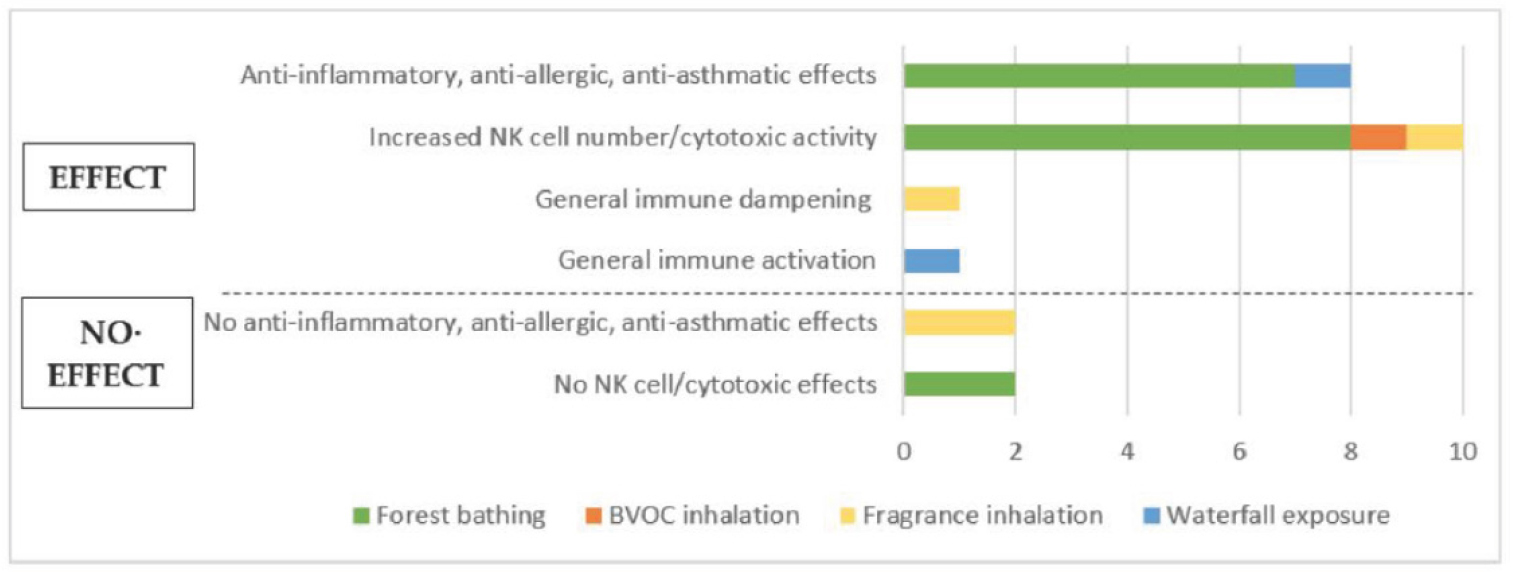
In 1991, Ulrich also developed the Stress Reduction Theory (SRT) to explain how exposure to natural elements affects our mental and physiological responses. This theory was supported by several healthcare-related studies [17]. The study confirmed that looking at natural surroundings like green areas or water features induces positive feelings and emotions such as focus, pleasure, and calmness, and has a restorative effect. Numerous hospital-based empirical studies have recently validated Ulrich’s theories [18]. The findings demonstrated how viewing nature has a positive impact on enhancing physical performance through measurement and observation of beneficial psychological impacts on mood, stress levels, and sensations of comfort [19]. Ulrich’s study was the first scientifically documented the advantages of patients experiencing nature. His findings encouraged designers, architects, and healthcare officials to reconsider the relationship between environment and healing as well as the patient’s space design [20]. Recently, Andersen, L.et al., 2021, conducted a synthesis of reviewed studies, as shown in Figure 2, that stated various positive impacts of nature contact on immunity [21], which can benefit cancer patients by improving the healing process. Similarly, Biophilia promotes the notion that architectural spaces must be integrated with “nature” for psychological health reasons.
Biophilic Design Approach
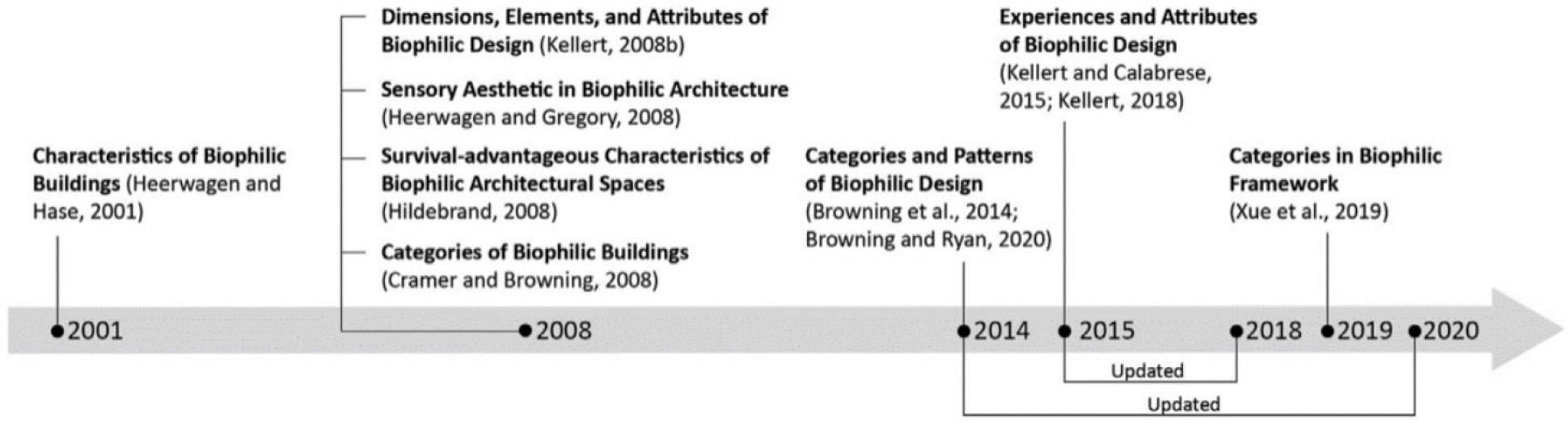
Edward.O. Wilson introduced the concept of biophilia in his 1984 book Biophilia [22]. Kellert & calabrese defined biophilia as “the inherent human inclination to affiliate with nature” [23]. In 2008 Cramer and Browning proposed three classifications of biophilic design. Later in 2014, fourteen patterns of biophilic design were developed based on these three categories [7]. In 2015, Kellert and Calabrese summarized Kellert’s primary outline and proposed an alternative framework comprising twenty-four characteristics grouped into three categories. Later, these two proposals were reviewed and improved, as demonstrated in Figure 3[22, 24].
Among the various biophilic design theories, this study depends on one conceptual framework conducted by Browning and Ryan, 2020, which is frequently employed as the foundation for establishing standards about natural interaction and connection like WELL and LEED [25]. This framework is an application of the architectural theory book, ‘A Pattern Language’ by Alexander et al., 1977, grouping different physical and metaphorical nature features and emotional responses into three categories using nature-related patterns, as depicted in Figure 4.
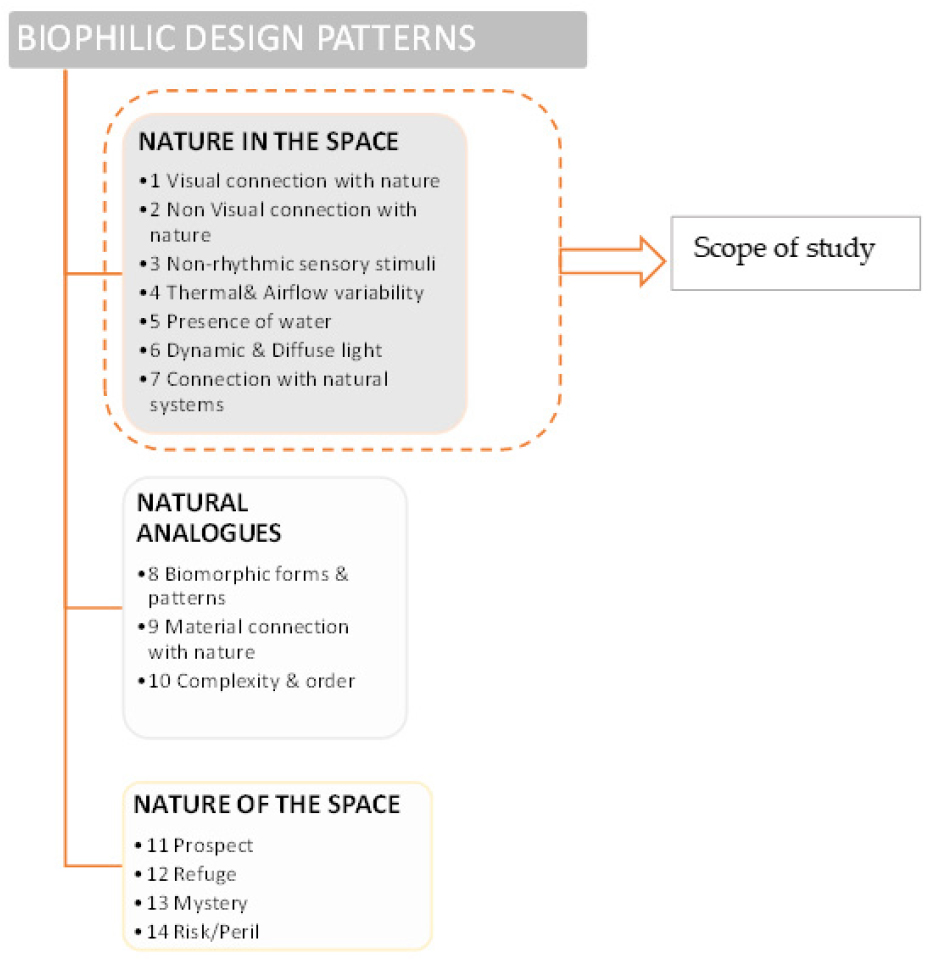
“Nature in the Space patterns” refers to the direct interaction with nature in a constructed environment. A window view, a terrarium, the scent of potted herbs, a breeze, a feeling of a marble slab, an aquarium, and the dappled light coming through moving leaves are all sensory experiences. While “Natural Analogues” are simulated or indirect contact with nature in the building through floral patterns on furniture/wallpaper, the volute on a column, abstracted moss as a carpet pattern, and textured wood. The last category is” Nature of the Space” patterns which characterize ordinary spatial experiences in nature in four dimensions. These may include a window at the end of a corridor, a meeting room cantilevered into an atrium, and the transition from a low entryway to a high-ceiling lobby [22].
Since biophilic design patterns have significant positive effects on humans by supporting stress reduction, emotion, and mood preference, it is the optimal treatment for the psychosocial problems associated with cancer and its treatment. As depicted in Table 1, there is a strong relationship between the benefits provided by biophilic design patterns and the patient’s biological response. The current research focuses on one category, which is “Nature in the space,” biophilic design patterns due to the recognized impact of its seven patterns on stress reduction and mood improvement, which was documented by several publications cited in a report by Browning, W.D.,2014. These biological responses are highly related to the aspects of the cancer patients’ experience.
Table 1.
Biological response of users when exposed to Nature in the space biophilic patterns, Source: Researcher based on Browning, W.D, 2014
Nature in the Space Patterns
As discussed previously, “Nature in the Space” is the actual existence of nature in the built environment. Among the common applications in space are greeneries, flowers, butterfly gardens, water features, fish tanks, courtyards, and green roofs. It also includes water, animal life, breezes, noises, and fragrances. Diverse interactions with various senses contribute to a rich experience. The following are the Seven biophilic design patterns covered by Nature in Space:
1)Visual Connection with Nature is the direct vision of natural processes that help patients to relax and reduce stress fatigue by shifting their attention. It could be a view through a glass window or a video displayed on a screen.
2)Non-Visual Connection with Nature: Natural and biological systems’ audible, tactile, and olfactory stimuli. Non-Rhythmic Sensory Stimuli: produced by objects or materials that
3)continue to move unpredictably. These stimuli can be displayed by numerous other types of natural motion, such as water reflections.
4)Thermal & Airflow: includes environmental changes like humidity and temperature changes indoors and outdoors.
5)Presence of Water: When there is water present, the user’s perception of the surrounding area is enhanced, whether by sight, hearing, or touch.
6)Dynamic & Diffuse Light: Light and shadow strengths alter to imitate the natural atmosphere.
7)Connection with Natural Systems: users are conscious of seasonal and temporal changes in the surrounding natural habitat.
Biophilic Design Implementations
Based on the above theoretical study, it is now possible to determine a set of indicators in terms of patterns and design considerations that support the dissemination and conceptualization of biophilic experiences in cancer facilities. In addition, we can establish a framework for comprehension and facilitation of considerate integration of “Nature in The Space” policies in building design, as shown in Table 2. Later, the analytical survey study will re-prioritize these patterns related to the cancer facilities from patients’ viewpoints.
Table 2.
Proposed Design Considerations Associated with the “Nature in The Space” Biophilic Pattern
Analytical study
After the data collected through the efficient literature search of Nature design implementation impact on patients in cancer facilities, a detailed design application comprising 77 patterns is extracted and used as a foundation for the survey conducted in case study areas. the researcher then performed site visits, on-site observations, and patients survey, case studies of Cancer Facilities selected for the survey were as follows, a large cancer institute in France, and three cancer centers located in the Czech Republic, the USA, and Egypt. These case studies were chosen due to their different urban contexts and the diversity of international patients with different cultures and backgrounds that enriched the study, in addition to their high success rate in the Cancer Cure field. study was conducted between August 2019 to September 20221). Through a prioritization analysis of the seven patterns associated with the “Nature in Design” Biophilic category, the analytical study ultimately proposes a framework to improve the comfort and reduce the stress of cancer patients. Accordingly, the analytical study rearranges the design considerations from the patient’s perspective.
Case studies
Case study 1: A cancer center in France
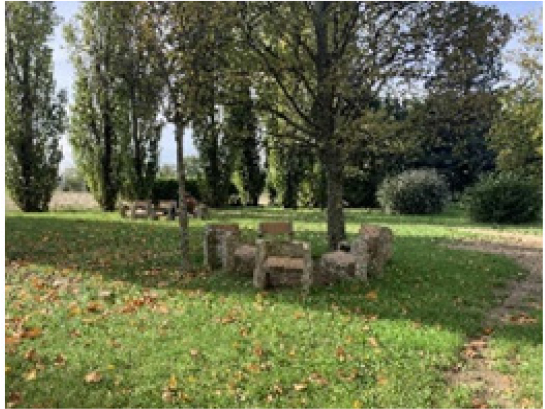
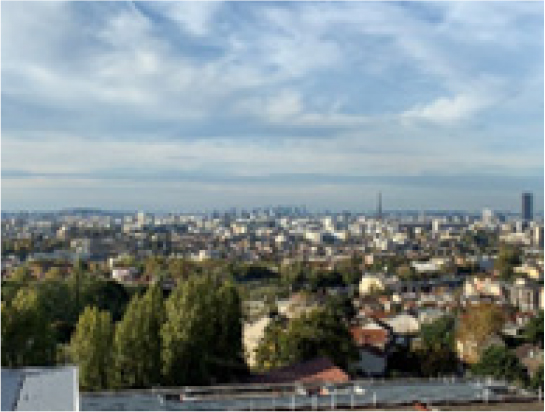
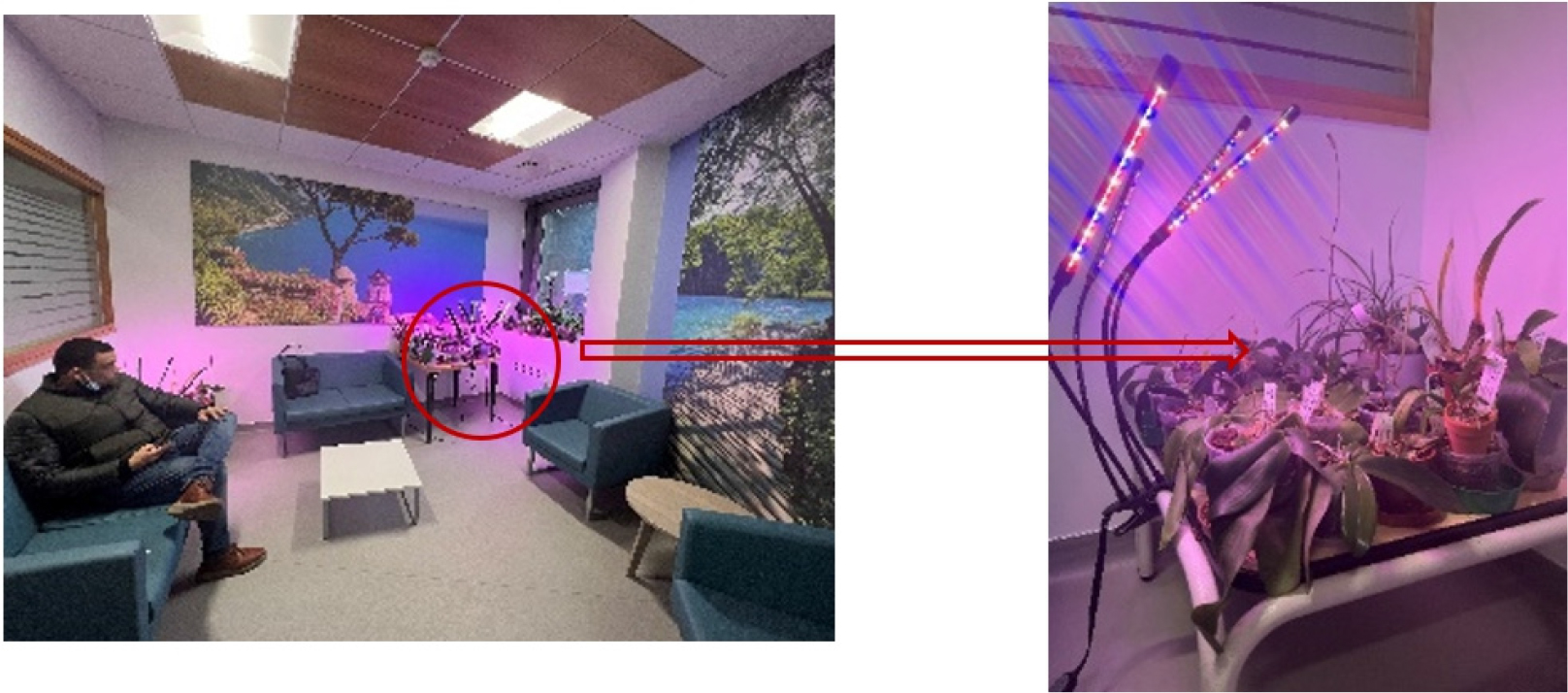
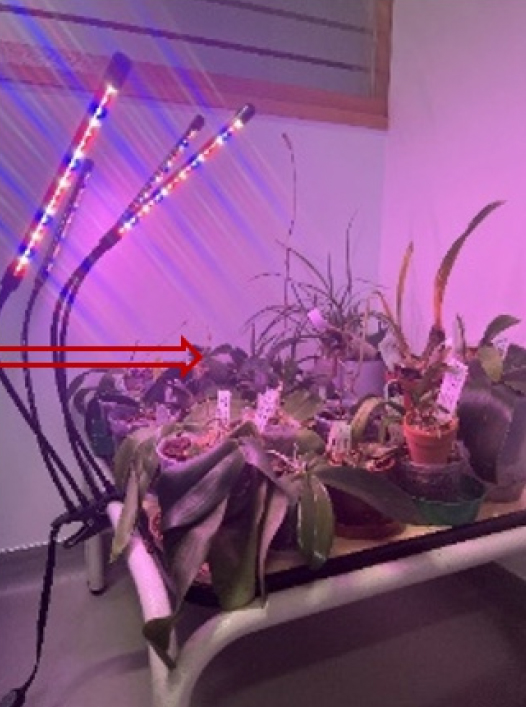
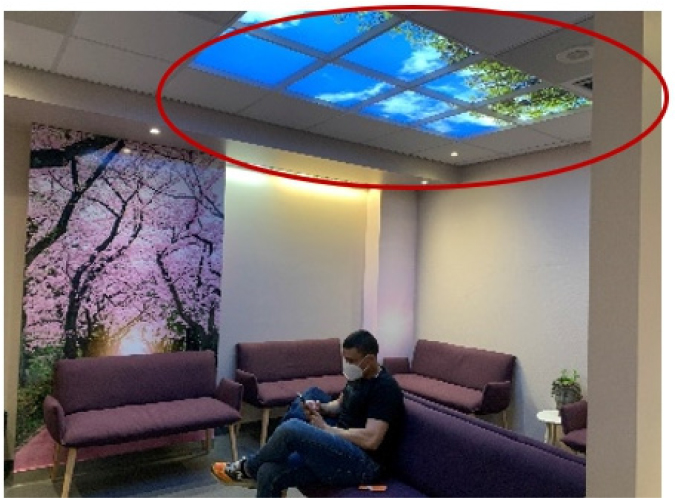
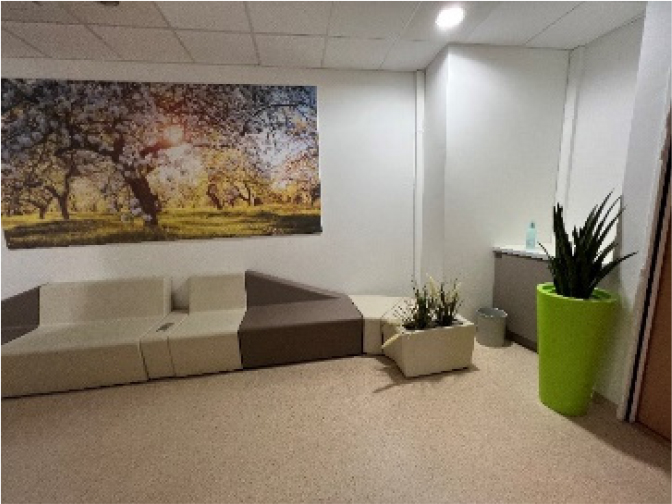
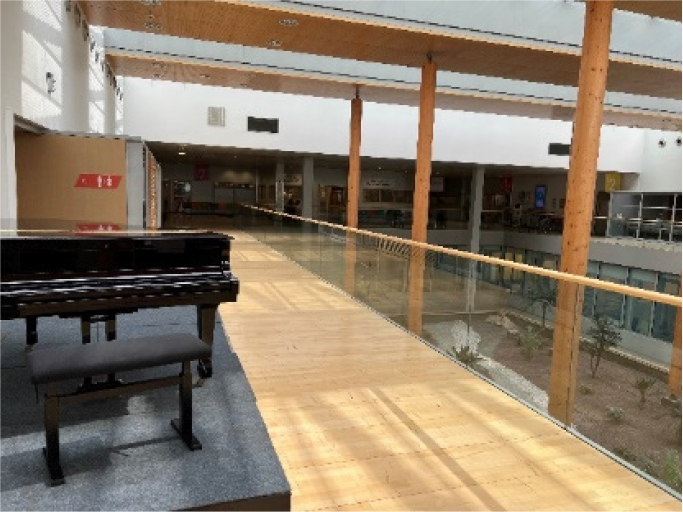
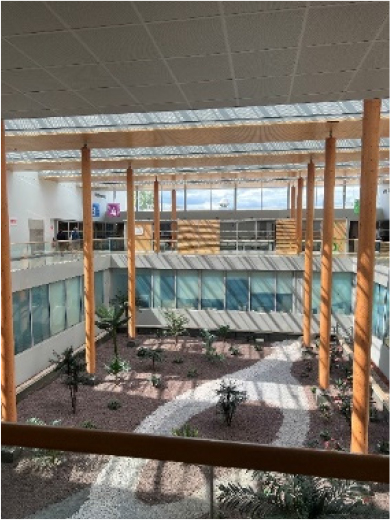
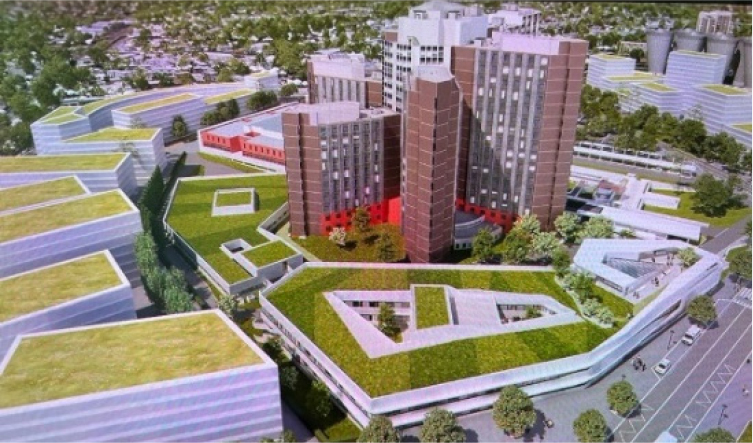
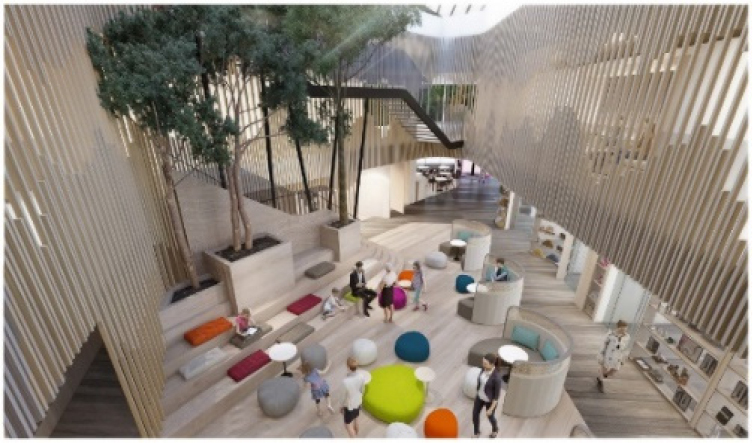
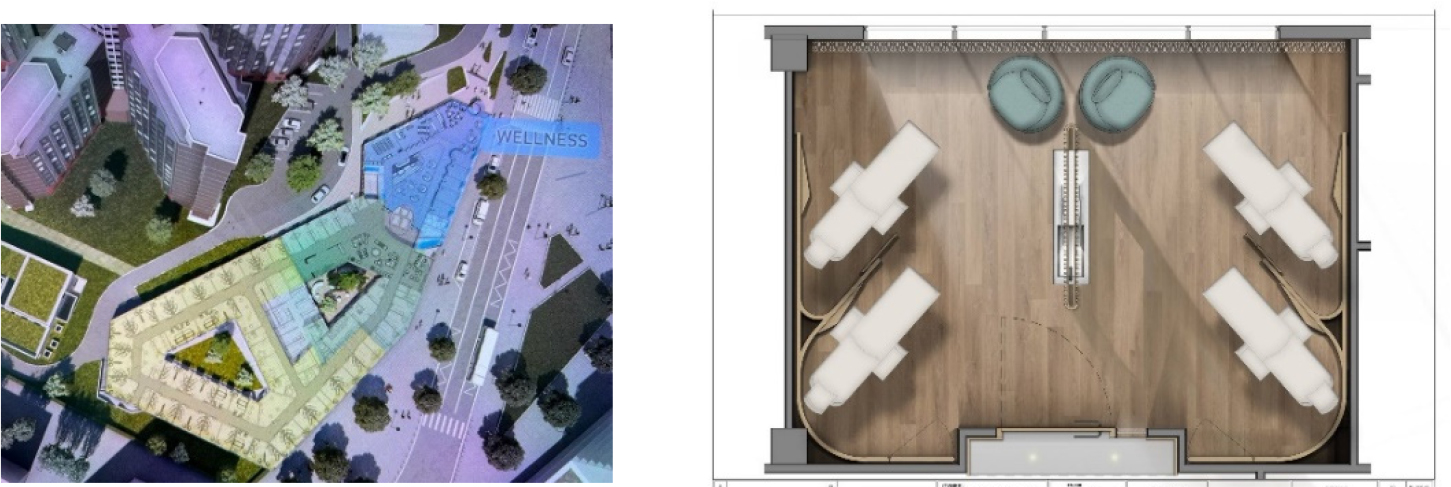
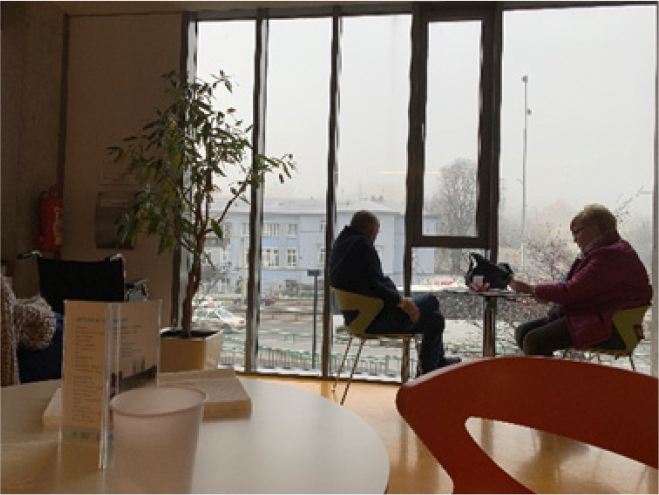
The large center accepts cancer patients of all ages and types. Some biophilic elements, such as natural images, plants, and court gardens, were observed in design patterns. The institute constructed a new building that houses a wellness center that combines complementary care programs to assist patients in all aspects of their life course. As depicted in Figures 5, 6, 7, 8, 9, 10, 11, 12, the original building’s renovation in 2020 and 2021 during the covid 19 period incorporated biophilic space patterns. Overall, the visual connection to nature, dynamic and diffuse lighting, glass, an outdoor garden, indoor plants, indoor gardens, natural paintings, and ceilings were implemented in an exemplary manner. However, there were no water features, animals, or green walls. A great deal of emphasis was placed on natural light exposure. The following Figures 13, 14, 15 depict some nature of the space biophilic design implementations in hospitals Patients were then introduced to images for a Future Expansion proposal design in order to evaluate the new extension biophilic implementation. it showed two buildings forming a single three-dimensional garden, an openness to the gardens, and an underground gallery. The wellness center was intended to provide softness and comfort to the patient throughout the course of alternating between adaptable open spaces, intimate alcoves, and sets of filters to meet the varied needs of patients. The evocation of nature and the presence of natural light lead the patient into a rich sensory universe that promotes well-being and tranquility, as demonstrated in Figures 16, 17, 18. The new extension placed greater emphasis on incorporating biophilic nature into its design as follows.
Case study 2: A Cancer Center in the Czech Republic
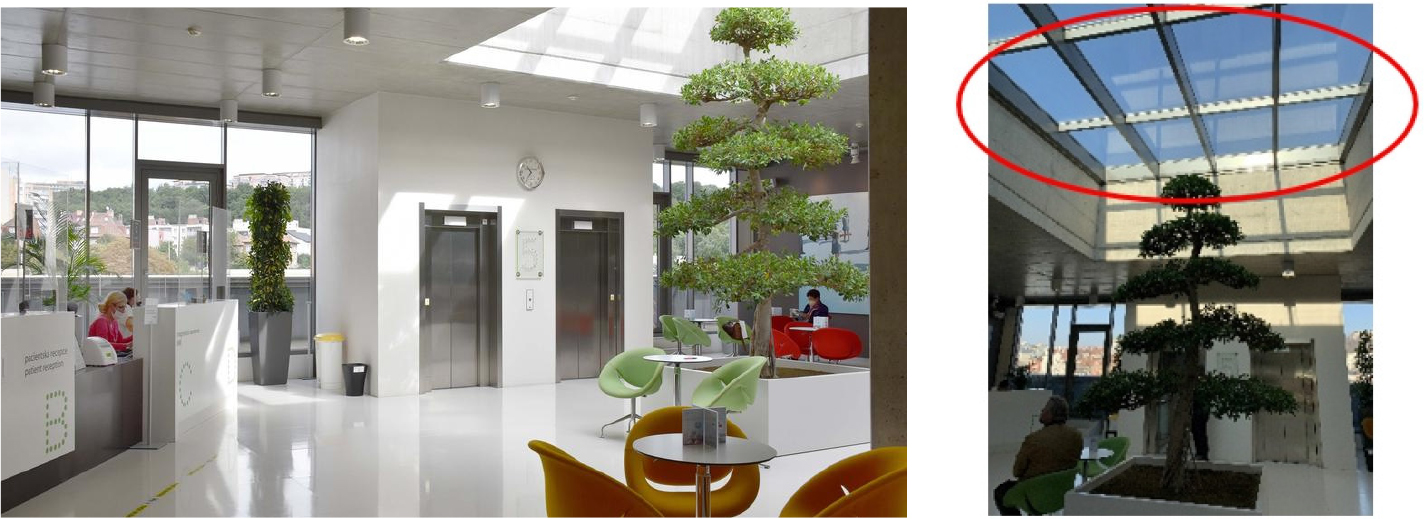
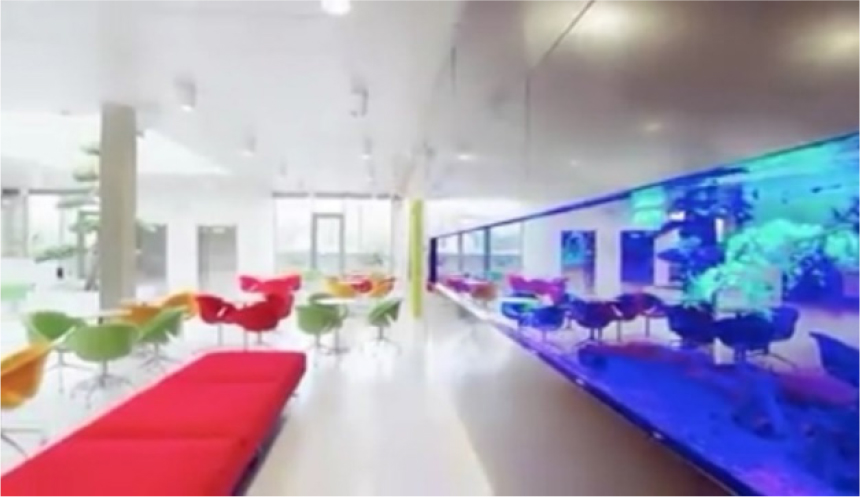
The aquarium in the waiting area, the large tree beneath the large span skylight, and the curtain wall facades, even in the chemotherapy induction room, were the center’s most effective features, as shown in Figures 16, 17, 18, because they promoted relaxation, stress relief, and direct connection to nature.2)
Survey Analysis
The research conducted a structured closed-ended questionnaire based on the proposed design considerations associated with the “Nature in the space” biophilic pattern (Table 2), it was distributed both by hand and electronically. The study survey included All patients of cancer stages (1-4), and the total number of anonymous respondents was 110. Ten were excluded as they didn’t represent genuine preferences, nationalities of respondents were (46 Europeans, 19 Americans, 8 English, and 27 Arabs), 30% of them were inpatients, and 70% were outpatients with a minimum of three months of frequent hospital stays/visits.
The first survey consists of two parts, the first of which is a checkbox response regarding the demographic characteristics of respondents, including age, gender, nationality, and healthcare type. The second part is a patient’s rating/scale of the seven main patterns of biophilic design features included in Nature in the space, based on his/her preferences or priority regarding comfort and stress reduction, as outlined in Table 2. The third part is an in-depth evaluation of every sub- pattern through a patient perspective to identify the relative weighted mean and determine the impact of each element of nature in the space biophilic pattern implementation on their comfort.
The second survey evaluated the patient’s comfort and satisfaction with hospital spaces before and after the implementation of the Nature biophilic design. This survey contained photographs of the designed hospital extension.
The questionnaire data analysis was performed using the SPSS program to find the Weighted Mean of each pattern to develop the framework.
Results
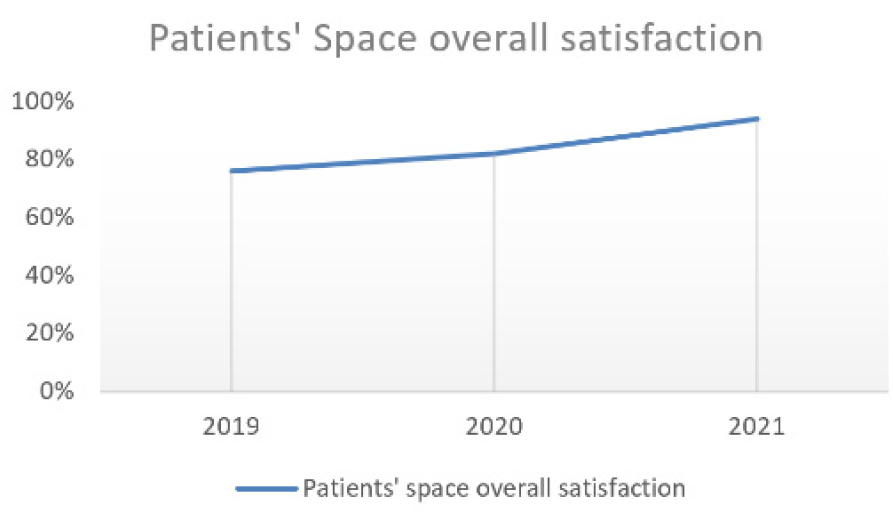
As shown in Figure 19, the primary result of the collected data survey was an 18% increase in the overall comfort satisfaction of healthcare space users. In the Case study 1 survey, overall satisfaction was 76% before the 2019 renovations, 82% after the 2021 renovations, and 94% after viewing the new extension wellness center proposal that incorporates more Biophilic “nature in space patterns”, Interviews also revealed the significant impact of indoor greeneries after 2020 renovations. Additionally, they requested more outdoor amenities to reduce stress during their treatment stage.
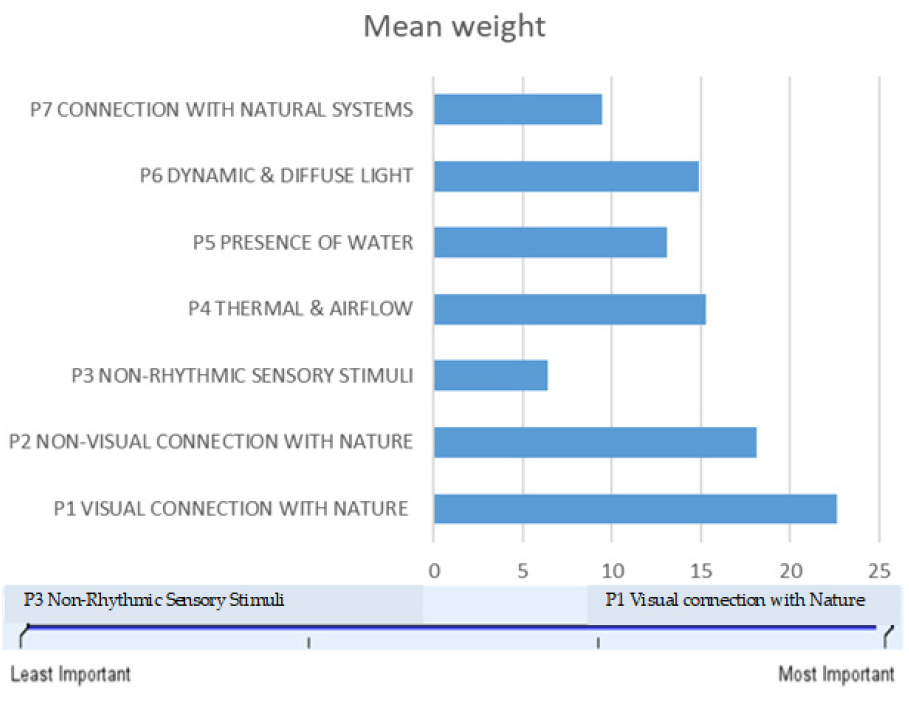
Statistical analysis Linear models revealed a continuous target based on linear relationships between the target and other predictors. Figure 20 depicts the results, which clearly show the patterns that primarily contribute to comfort and stress relief for cancer patients (P1) visual Connection with Nature, then (P2) Non Visual connection with Nature. These results are convincing as they align with the previously studied research review. However, the study found that (P5) the presence of water was nearly as significant as Dynamic and Diffuse light (P6), while (P3) Non-Rhythmic Sensory Stimuli had the least effect on their comfort.
The hierarchical cluster analysis test results using “Ward’s method” demonstrate the relationship between patterns, design considerations, and their effect on each other as shown in Figure 21. Visual connection with nature (P1) was related to thermal and airflow (P4), the presence of water (P6), Dynamic and Diffuse light (P5), and Non-rhythmic sensory stimuli (P3). These findings agree with those of Browning, W.D., Ryan, C.O., Clancy, J.O. (2014).
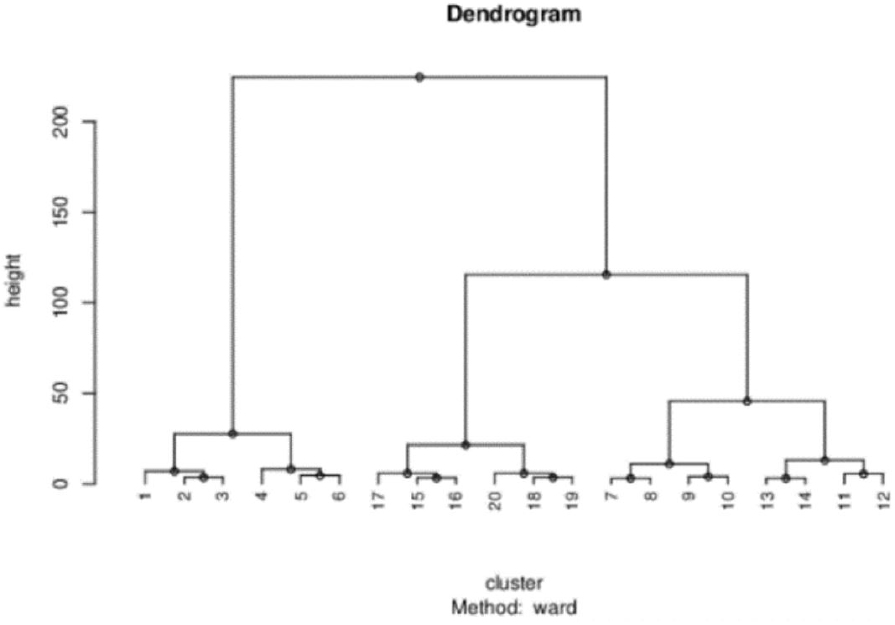
Even though (P3) Non-Rhythmic Sensory Stimuli have the lowest mean weight, the analysis revealed its relationship with all the other Patterns (P1), (P2), (P4), (P5), (P6), and (P7), so it is fulfilled by them regardless, indicating its significance in the design. The researcher has previously coded each pattern and its implementation element as a sub-pattern for the framework, as shown in Table 3.
Table 3.
The selected Biophilic pattern’s weighted mean is based on the Patient’s perspective
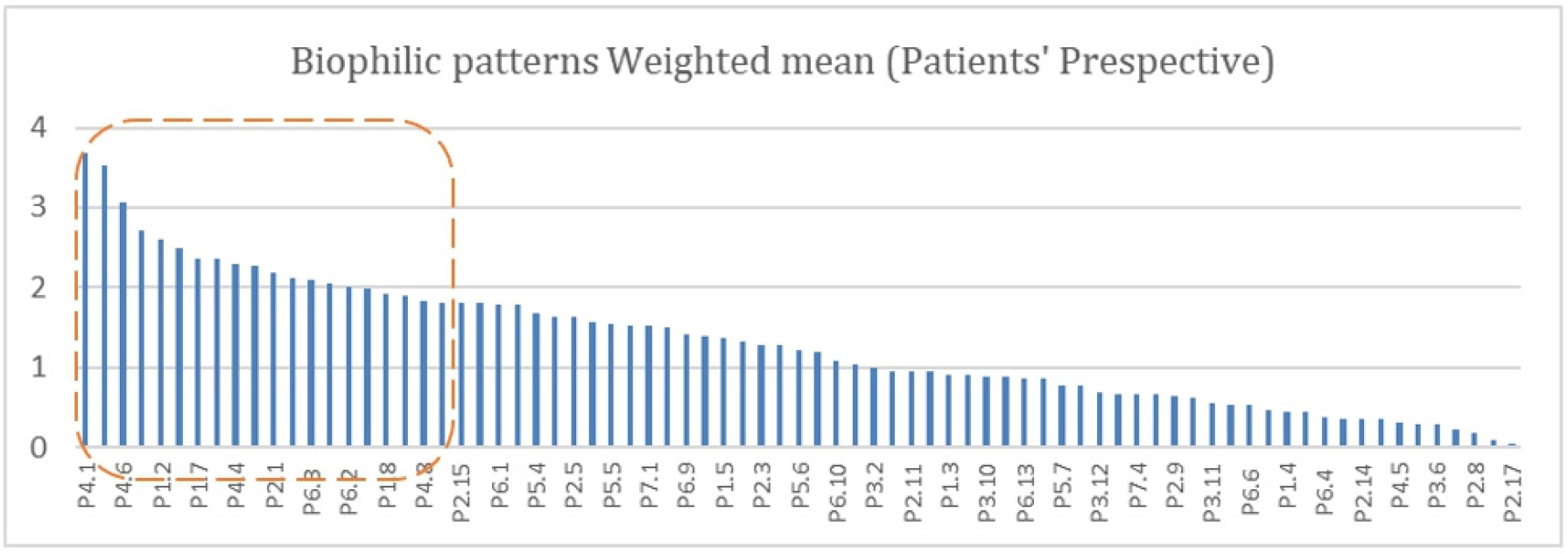
According to the previous results, the study concluded 20 [Nature in the space] patterns implementations out of 77, in Figure 22 as the most significant in affecting cancer patients’ stress, they can be arranged as follow: (P4.1) Solar heat gain, (P1.11) Highly Designed landscapes (P4.6) Strategic HVAC delivery, (P1.9) Nature Artwork, (P1.2) indoor/outdoor plants, (P1.1) Natural Water Feature, (P1.7) pond, Indoor Aquarium, (P7.6) visual access to existing natural systems, (P4.4) Space/ place orientation, (P1.6) A Mechanical flow of water, (P2.1) Scented herbs and flowers, (P5.1) Existence of any water feature (river, stream, pond, etc.), (P6.3) Daylight light, (P1.10) Video representing nature scenes, (P6.2) Direct sunlight, (P2.12) Use nature-textured materials, (P1.8) Green wall, (P7.5) Natural materials (wood, stone, copper, bronze, leather), (P4.8) Openings glazing treatment, (P2.6) Textured materials (stone, wood, fur) have shown in the statistical analysis how the biophilic environmental proposed interventions in cancer hospitals can positively affect the quality of healthcare and thus the financial performance of the organization from Patient Perspective.
Conclusion and Discussion
The current study focuses on a crucial aspect of cancer healthcare design: It highlights significant patient “comfort” feedback to direct the provision of advantageous and secure possibilities for the “Nature in the Space” Biophilic Pattern involvement in cancer Facilities design. It demonstrates how effectively incorporating nature into the cancer hospital environment may help patients establish a less stressful environment and increase healthcare quality. The study provides summarized and practically valuable findings on this particular facet of healthcare. Findings target quality over quantity for the interventions; since all the design considerations have been arranged according to the patient’s preferences and priorities. In addition, the study illustrates what a good biophilic design means to them, which will improve patients’ everyday lives and can be adopted by stakeholders in charge of future cancer care design and innovation.
The strategy for applying this framework can vary according to the facility’s feasibility study; that’s why, the weighted mean of each pattern is crucial. Twenty out of seventy-seven features have been introduced in the framework proposed in Table 4, allowing the design’s decision-makers to select the most significant features to be implemented.
Table 4.
A Proposed Framework of the selected Biophilic Pattern in cancer hospitals
A successful biophilic design incorporates nature into space in a way that is both inspiring and therapeutic without disturbing space function, and the way of accomplishing this can vary based on the type of users. For instance, cancer patients in our study did not prefer strongly scented materials for health reasons and did not appreciate stimulating nature music. Patients have always preferred natural features over simulated or digital ones. However, in terms of reducing stress, an artificial or constructed nature is preferable to having no visual connection, which agrees with the study of Huelat, 2008.
Unexpectedly, water features, and aquariums, had a significant impact on their stress relief and mental distraction from treatment pain and thus comfort. All patients agreed that gardens and other greenery had a very relaxing effect, whereas pets and animals were controversial and were not recommended within the cancer facility. Precautions during selecting acceptable nature-based design elements, such as exercising caution regarding nature interaction and poor weather conditions, were crucial variables for preventing negative experiences.
Biophilic data analysis advances our understanding of nature’s significance in the lives of cancer patients. The results of a questionnaire administered to patients regarding nature in the built environment revealed significant values and design opportunities that will help guide future research and the creation of healing environments.
Biophilic Architecture effects are measurable and warrant more consideration. As this study focuses on the direct experience of nature, additional investigation into other patterns is necessary. In future case studies, it will be beneficial to implement additional healthcare design considerations. In conclusion, the results of this study demonstrate that biophilic design in cancer healthcare facilities is not merely an added amenity but also has health and comfort benefits for cancer patients of any age, gender, or background.

